

What is a Polyethylene Powder Material Handling System? And What Are Its Design Principles?
Welcome to Shandong HeadPowder Engineering Co., Ltd., a leading provider of specialized material handling solutions. In this article, we will explore the polyethylene powder material handling system, its core components, and the fundamental design principles that ensure efficient and reliable operation. As a company based in Shandong, China, HeadPowder specializes in engineering systems tailored to the unique challenges of handling polyethylene powders, which are widely used in various industrial applications.

Polyethylene Powder Material Handling System: An Overview
A polyethylene powder material handling system is a comprehensive setup designed to transport, store, and manage polyethylene powder efficiently. This system is crucial for industries such as plastics manufacturing, chemical processing, and packaging, where the consistent and safe handling of polyethylene powder is essential for maintaining product quality and operational efficiency. The system typically includes components like hoppers, conveyors, dust collectors, and control systems, all working in tandem to ensure seamless material flow from storage to processing units.
Key Components of the Polyethylene Powder Material Handling System
The effectiveness of a polyethylene powder material handling system relies on its integrated components, each serving a specific function to optimize performance. The primary components include:
1. Hoppers and Feeders: These are the initial storage and feeding units that hold the polyethylene powder and regulate its flow into the conveyor system. Hoppers are designed with appropriate dimensions and discharge mechanisms to prevent material bridging and ensure smooth material discharge. Feeders, such as rotary valves or vibratory feeders, control the rate of material release, maintaining consistent flow rates.
2. Conveyors: Conveyors are the backbone of the material handling system, responsible for transporting polyethylene powder from one location to another. Common types include screw conveyors, pneumatic conveyors, and belt conveyors. Screw conveyors are ideal for horizontal or slight incline transport, while pneumatic conveyors use air pressure to move powder through pipelines. Belt conveyors are suitable for longer horizontal distances and can handle larger volumes.

3. Dust Collection Systems: Polyethylene powder can generate significant dust during handling, which poses health and safety risks. Dust collection systems, including baghouses or cartridge filters, are integrated to capture and remove airborne particles, ensuring a clean and safe working environment. These systems are designed to handle the specific properties of polyethylene powder, such as its fine particle size and potential for static charge.
4. Control Systems: Modern polyethylene powder material handling systems incorporate advanced control systems that monitor and regulate the operation of all components. These systems use sensors, controllers, and software to optimize flow rates, detect blockages, and maintain system efficiency. Control systems enhance safety by automatically shutting down the system in case of abnormal conditions, such as overfilling or excessive pressure.
Design Principles for Efficient Polyethylene Powder Material Handling
The design of a polyethylene powder material handling system follows several key principles to ensure optimal performance, safety, and longevity. These principles are tailored to the unique characteristics of polyethylene powder, including its density, flowability, and potential for static charge. The primary design principles include:
1. Adequate Flow Control: Proper control of material flow is critical to prevent overloading or underloading of conveyors and processing equipment. This is achieved through the use of feeders and control valves that adjust the flow rate based on system demand. Flow control ensures consistent material delivery to downstream processes, reducing variability in product quality.
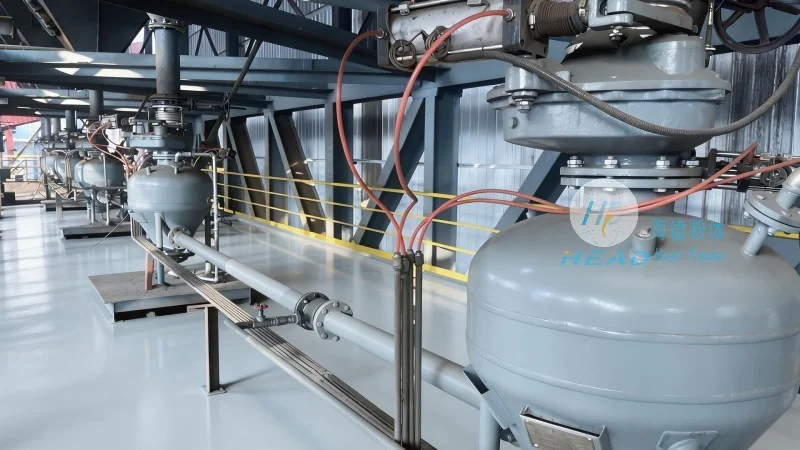
2. Prevention of Material Bridging and Arching: Polyethylene powder can exhibit bridging or arching behavior, which can cause blockages in hoppers and conveyors. Design principles include using hopper shapes with appropriate angles (typically 60-90 degrees) and incorporating vibratory or mechanical devices to break up arches and ensure smooth material flow. This prevents system downtime and ensures continuous operation.
3. Static Charge Management: Polyethylene powder is prone to generating static electricity, which can lead to dust explosions or material sticking to equipment surfaces. Design principles include incorporating grounding mechanisms, using anti-static materials, and ensuring proper ventilation to dissipate static charges. These measures enhance safety and maintain material flow by preventing material buildup.
4. Integration with Processing Equipment: The polyethylene powder material handling system is designed to seamlessly integrate with downstream processing equipment, such as extruders or mixers. This integration ensures that the powder is delivered at the correct temperature and moisture level, optimizing the performance of the processing equipment. Design considerations include temperature control, moisture management, and compatibility with the processing machinery.
Applications and Benefits of Polyethylene Powder Material Handling Systems
Polyethylene powder material handling systems are widely used in various industrial applications, offering numerous benefits to manufacturers. The primary applications include:

1. Plastics Manufacturing: In the plastics industry, polyethylene powder is used to produce a range of products, including films, fibers, and molded parts. The material handling system ensures that the powder is delivered to extrusion lines and other processing equipment in a consistent manner, improving product quality and reducing waste.
2. Chemical Processing: Polyethylene powder is used as a raw material in chemical processing plants, where it is processed into other chemicals or intermediates. The material handling system ensures that the powder is safely and efficiently transported to reactors and other processing units, maintaining process efficiency and safety.
3. Packaging Industry: Polyethylene powder is used in the production of packaging materials, such as films and containers. The material handling system ensures that the powder is delivered to packaging lines in a controlled manner, ensuring consistent product quality and meeting market demands.
By implementing a well-designed polyethylene powder material handling system, industries can achieve improved operational efficiency, reduced downtime, and enhanced safety. The system's ability to handle polyethylene powder efficiently and reliably makes it an essential component of modern industrial operations.