

What is a Glucose Material Handling System? What are its Design Principles?
Glucose, a vital monosaccharide, is widely used in various industries including pharmaceuticals, food processing, and chemical manufacturing. The efficient handling and transportation of glucose materials are crucial for maintaining production efficiency and product quality. This article will explore the concept of a glucose material handling system and delve into its core design principles, with insights from Shandong HeadPowder Engineering Co., Ltd., a leading provider in the field.

Understanding the Glucose Material Handling System
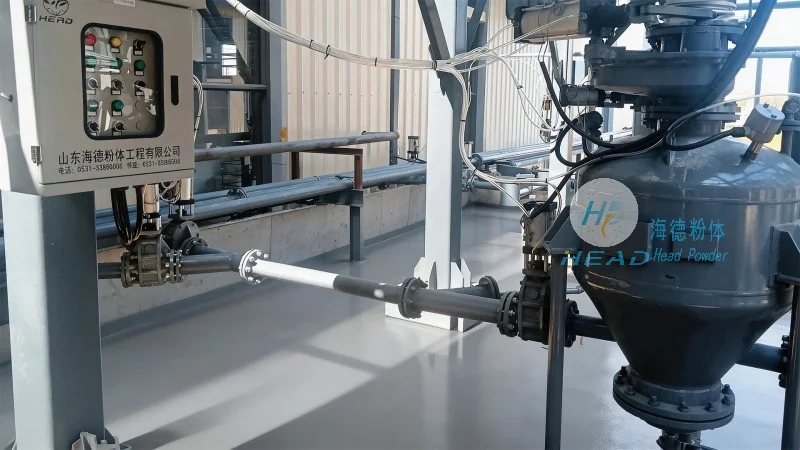
A glucose material handling system refers to the integrated equipment and processes designed to move, store, and manage glucose materials from raw material reception to final product dispatch. This system typically includes components such as bulk material feeders, conveyors, storage silos, and packaging equipment. The primary goal is to ensure a smooth and continuous flow of glucose, minimizing downtime and optimizing operational efficiency. For industries dealing with large volumes of glucose, a well-designed system can significantly reduce labor costs and enhance overall productivity.
Key Design Principles for Glucose Material Handling
The design of a glucose material handling system must adhere to several critical principles to ensure reliability and performance. First, the system should be designed to handle the specific physical properties of glucose, such as its granular size, moisture content, and flow characteristics. This involves selecting appropriate equipment like screw conveyors or pneumatic conveyors that can effectively transport glucose without causing blockages or degradation. Second, the system must prioritize safety and hygiene, as glucose is often used in food and pharmaceutical applications where contamination is unacceptable. This includes implementing dust control measures, cleaning protocols, and material handling practices that meet industry standards. Third, the design should focus on scalability and flexibility to accommodate future production needs. As production volumes may increase or product lines expand, the system should be able to adapt without requiring major overhauls. Shandong HeadPowder Engineering Co., Ltd. emphasizes these principles in their engineering solutions, ensuring that each system is tailored to the unique requirements of their clients.

Components and Integration in a Glucose Material Handling System
The effectiveness of a glucose material handling system relies on the proper integration of various components. A typical system starts with a bulk receiving hopper that can handle raw glucose from trucks or railcars. From there, a feeder, such as a rotary valve or a vibratory feeder, controls the flow of material into the conveyor system. Conveyors, often belt or screw types, transport glucose to storage silos or processing units. Storage silos are designed to maintain the quality of glucose by controlling moisture and preventing caking. Finally, packaging equipment, such as bagging machines or bulk loaders, prepares the glucose for distribution. Each component must be carefully selected and integrated to ensure seamless operation. For example, the feeder must match the conveyor's capacity to avoid overloading, and the silos must be sized appropriately to store the expected volume of glucose. Shandong HeadPowder Engineering Co., Ltd. specializes in the design and manufacturing of these components, ensuring that every part of the system works in harmony to achieve optimal performance.
Advantages of a Well-Designed Glucose Material Handling System
Implementing a well-designed glucose material handling system offers numerous advantages for businesses. One of the most significant benefits is improved operational efficiency. By automating the handling and transportation of glucose, companies can reduce labor costs and minimize the risk of human error. This leads to a more consistent and reliable production process. Another advantage is enhanced product quality. A system that maintains proper moisture levels and prevents contamination ensures that the glucose meets the required specifications for its intended use. This is particularly important in the pharmaceutical and food industries, where product quality directly impacts consumer safety and regulatory compliance. Additionally, a well-designed system can reduce material waste by minimizing spillage and loss during handling. This not only saves costs but also contributes to environmental sustainability. Shandong HeadPowder Engineering Co., Ltd. has helped many clients achieve these benefits through their expertise in designing and implementing glucose material handling systems.

Conclusion
In conclusion, a glucose material handling system is a critical component of any facility that processes or handles glucose. Its design must consider the unique properties of glucose, prioritize safety and hygiene, and ensure scalability for future growth. By adhering to these principles and leveraging the expertise of companies like Shandong HeadPowder Engineering Co., Ltd., businesses can achieve efficient, reliable, and cost-effective material handling solutions. The proper design and implementation of such a system not only improve operational performance but also contribute to long-term success in the competitive glucose market.