

What is Gypsum Material Handling? What Are the Design Principles?
Gypsum, a widely used industrial material, often requires efficient and reliable handling systems to ensure smooth operations in various industries. The process of transporting and managing gypsum materials involves specialized equipment and design considerations tailored to the material's properties and the specific requirements of the application. In this article, we explore the key aspects of gypsum material handling, focusing on the design principles that underpin effective systems.

Key Characteristics of Gypsum Affecting Material Handling
Gypsum, chemically known as calcium sulfate dihydrate, has distinct physical and chemical properties that influence how it is handled. Its relatively low density and tendency to form lumps or clumps can impact the design of conveyor systems, storage solutions, and feeding mechanisms. The material's hygroscopic nature, meaning it absorbs moisture from the air, also requires careful consideration in handling to prevent caking or degradation. These characteristics necessitate the use of equipment that can handle the material's flow characteristics effectively, such as belt conveyors, screw conveyors, and pneumatic conveying systems. The design of these systems must account for factors like material flow rate, bulk density, and the need for gentle handling to avoid damage to the gypsum particles.
Design Principles for Gypsum Material Handling Systems
The design of gypsum material handling systems follows several fundamental principles aimed at optimizing efficiency, safety, and material integrity. One of the primary principles is the minimization of material degradation and loss during transport. This is achieved through the use of appropriate conveyor belt materials, such as food-grade or industrial-grade rubber, which are resistant to the chemical properties of gypsum and can handle the material's abrasive nature. The conveyor speed and inclination are also carefully calculated to prevent material spillage and ensure consistent flow. Another critical principle is the integration of dust control measures, as gypsum is a fine powder that can create airborne dust, posing health and safety risks. Systems often incorporate dust collection and filtration equipment to maintain a clean working environment. Additionally, the design must consider the need for easy maintenance and cleaning, as gypsum can adhere to equipment surfaces and require regular maintenance to prevent blockages or reduced efficiency.
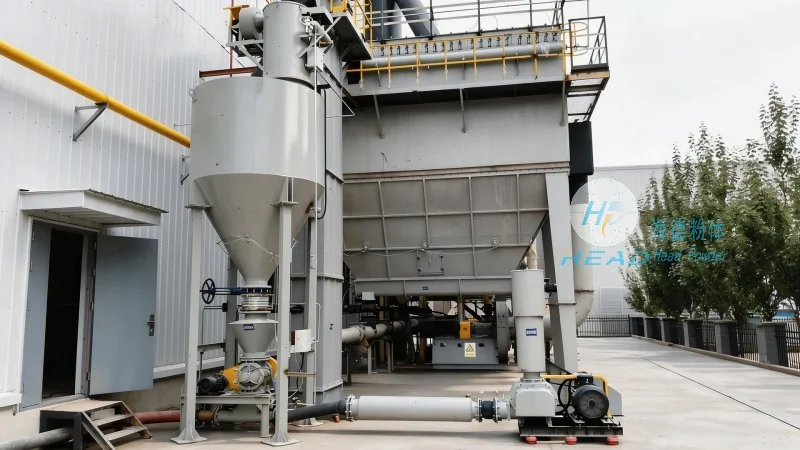
Equipment Used in Gypsum Material Handling
Several types of equipment are commonly used in gypsum material handling, each serving specific functions in the process. Belt conveyors are widely used for horizontal and slight incline transport due to their ability to handle large volumes of material with minimal maintenance. Screw conveyors are effective for vertical or inclined transport, providing a compact solution for moving gypsum from lower to higher levels. Pneumatic conveying systems, such as pressure or vacuum systems, are used for long-distance or high-rise applications, where traditional mechanical conveyors may not be feasible. These systems use air to transport the material through pipes, ensuring a dust-free and enclosed transport process. Additionally, feeders and chutes are used to control the flow of gypsum from storage silos or hoppers to the conveying equipment, ensuring a consistent and controlled feed rate. The selection of equipment depends on factors like the scale of operation, the distance to be covered, and the specific handling requirements of the gypsum material.

Importance of Proper Design and Installation
The success of a gypsum material handling system depends heavily on proper design and installation. A well-designed system considers the entire material flow path, from storage to processing or end-use, ensuring that each component works in harmony to achieve the desired outcome. The installation process must adhere to industry standards and regulations, particularly regarding safety and environmental compliance. Proper alignment of conveyor components, correct tensioning of belts, and secure mounting of equipment are essential to prevent mechanical failures and ensure long-term reliability. Regular maintenance and inspection are also critical to maintaining the system's performance and extending its lifespan. By following best practices in design and installation, companies can minimize downtime, reduce maintenance costs, and ensure the consistent quality of the gypsum material being handled.
About Shandong HeadPowder Engineering Co., Ltd.
Shandong HeadPowder Engineering Co., Ltd., operating under the brand name headpowder, is a leading provider of industrial material handling solutions. With a focus on innovation and customer-centric design, the company specializes in developing customized systems for handling various materials, including gypsum. The company's team of engineers and technicians brings extensive experience in material science and mechanical engineering, enabling them to design and implement efficient and reliable handling systems tailored to the unique needs of each client. Headpowder's commitment to quality and safety is reflected in its adherence to international standards and rigorous testing protocols. The company's facilities, located in Shandong, China, are equipped with state-of-the-art technology and equipment, allowing for the production of high-performance material handling systems that meet the demands of modern industrial applications. By partnering with headpowder, businesses can benefit from expert guidance and tailored solutions that enhance their operational efficiency and material handling capabilities.