

What is Steel Grit Material Handling? Understanding Its Design Principles
Steel grit material handling is a specialized industrial process that involves the transport, storage, and management of steel grit, a type of abrasive material commonly used in surface treatment applications. This process is critical in various industries, including manufacturing, construction, and automotive, where steel grit is utilized for processes such as shot blasting, surface cleaning, and material finishing. The design principles behind steel grit material handling systems are tailored to ensure efficiency, safety, and durability, addressing the unique challenges posed by handling abrasive materials. As a leading provider in the field, Shandong HeadPowder Engineering Co., Ltd. specializes in designing and implementing such systems to meet the diverse needs of its clients.
Key Components of Steel Grit Material Handling Systems
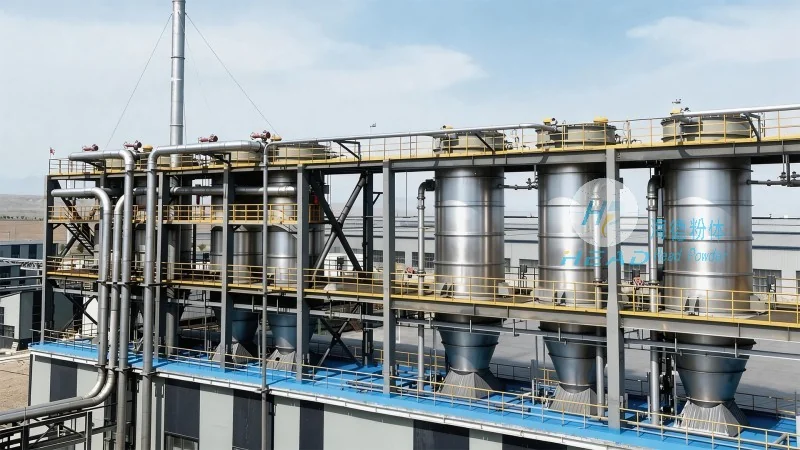
The core components of a steel grit material handling system typically include feeders, conveyors, storage bins, and discharge mechanisms. Feeders are responsible for controlling the flow of steel grit from storage bins to the processing equipment. Common types of feeders include rotary valves, vibratory feeders, and screw conveyors, each designed to handle different material characteristics and flow rates. Conveyors, such as belt conveyors or pneumatic systems, transport the steel grit from one location to another within the facility. Storage bins are essential for storing large quantities of steel grit, often equipped with liners to prevent wear and corrosion. Discharge mechanisms, like hoppers or rotary valves, regulate the release of steel grit into the processing equipment.
Design Principles for Efficient Steel Grit Handling
Efficient steel grit material handling relies on several key design principles. First, the system must prioritize material flow optimization to minimize downtime and maximize throughput. This involves designing conveyor systems with appropriate incline angles and speed controls to prevent material buildup or clogging. Second, durability is a critical factor due to the abrasive nature of steel grit. Components such as hoppers, bins, and conveyors are constructed from high-strength materials like stainless steel or wear-resistant alloys to withstand the constant impact and friction. Third, safety considerations are paramount in industrial settings. The design incorporates features like dust collection systems, explosion-proof components, and emergency stop mechanisms to protect workers and equipment from hazards. Additionally, the system should be designed for easy maintenance and cleaning, reducing downtime and operational costs.

Applications and Industries Utilizing Steel Grit Material Handling
Steel grit material handling systems are widely used across multiple industries. In the manufacturing sector, they are essential for pre-treating metal parts before painting or coating, ensuring a clean and uniform surface. The automotive industry relies on steel grit for surface preparation of vehicle components, improving adhesion and durability of paint and protective coatings. In the construction industry, steel grit is used for cleaning and preparing concrete surfaces, enhancing the bond of subsequent layers. Other applications include the treatment of metal parts in the aerospace and aerospace-related industries, where precision and surface quality are critical. Each industry's specific requirements influence the design of the material handling system, from the type of conveyor to the storage capacity.

Advantages of Professional Steel Grit Material Handling Solutions
Implementing a well-designed steel grit material handling system offers several advantages. Firstly, it enhances operational efficiency by reducing material handling time and minimizing the risk of equipment damage. This leads to increased production throughput and lower operational costs. Secondly, the durability of the system ensures long-term reliability, reducing the frequency of maintenance and replacement of components. Thirdly, the safety features integrated into the design protect workers from hazards associated with handling abrasive materials, such as dust inhalation and physical injury. Additionally, the ability to customize the system to specific material characteristics and processing needs allows for optimal performance tailored to the user's requirements. For businesses in industries that rely on steel grit, investing in a professional material handling solution can significantly improve overall productivity and safety.
Conclusion: The Importance of Proper Steel Grit Material Handling
Steel grit material handling is a vital aspect of industrial operations, particularly in sectors that depend on surface treatment processes. The design principles and components of these systems are carefully engineered to address the unique challenges of handling abrasive materials, ensuring efficiency, durability, and safety. By understanding the key elements and advantages of steel grit material handling, businesses can make informed decisions when selecting or upgrading their material handling solutions. As the demand for high-quality surface treatments continues to grow, the importance of reliable and efficient steel grit material handling systems will only increase, making them an essential investment for any industry that utilizes steel grit in its production processes.