

What is a Calcium Chloride Powder Conveying System Equipment? What is its Design Principle?
When discussing industrial powder handling solutions, the calcium chloride powder conveying system equipment stands out as a critical component in various applications. This equipment is specifically designed to handle calcium chloride, a versatile chemical widely used in deicing, construction, and industrial processes. Understanding the system's design and operational principles is essential for optimizing its performance and ensuring safety in handling this hygroscopic and reactive material.
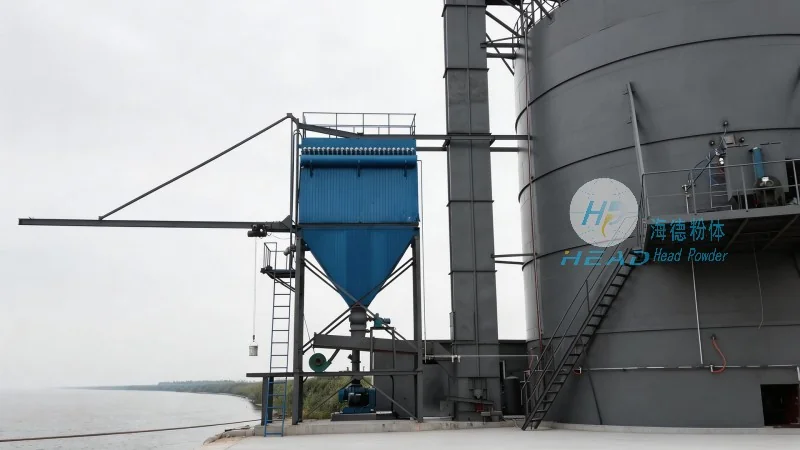
Key Components of the Calcium Chloride Powder Conveying System
The calcium chloride powder conveying system typically consists of several key components that work in tandem to ensure efficient material transport. These include feed hoppers, screw conveyors or pneumatic ducts, control valves, and dust collection systems. The feed hopper is responsible for storing and feeding the calcium chloride powder into the system, while the conveyor mechanism transports the material to the desired destination. Control valves are used to regulate the flow rate and pressure, ensuring smooth operation. Additionally, dust collection systems are integrated to manage the fine particles and maintain a clean working environment.
Design Principles and Operational Mechanisms
The design of the calcium chloride powder conveying system is based on several fundamental principles to address the unique properties of calcium chloride. As a hygroscopic material, calcium chloride absorbs moisture from the air, which can affect its flow characteristics and handling. Therefore, the system is often equipped with moisture control measures, such as sealed hoppers and heated sections, to prevent clumping and ensure consistent performance. The operational mechanism involves the use of either mechanical or pneumatic conveying methods. Mechanical conveyors, like screw or belt conveyors, are suitable for handling bulk quantities and providing reliable transport over short to medium distances. Pneumatic conveyors, on the other hand, use air pressure to move the powder through ducts, offering flexibility in layout and the ability to transport materials over longer distances.

Application-Specific Considerations
The calcium chloride powder conveying system is used in a variety of industries, each with specific requirements that influence the system's design. In the deicing industry, the system must be capable of handling large volumes of calcium chloride quickly and efficiently to meet winter maintenance needs. In construction, the system may be used to transport calcium chloride for concrete additives, requiring precise control over the material's flow and consistency. Industrial applications may involve the use of calcium chloride in chemical processes, where the system must ensure minimal contamination and consistent material delivery. Each application demands tailored solutions, such as different hopper sizes, conveyor speeds, and control systems, to meet the specific operational needs.

Advantages of the Calcium Chloride Powder Conveying System
Implementing a calcium chloride powder conveying system offers several advantages over traditional manual handling methods. The primary benefit is improved safety, as the system minimizes direct human contact with the material, reducing the risk of exposure to dust and potential health hazards. Additionally, the system enhances efficiency by automating the material transport process, reducing labor costs and increasing throughput. The consistent flow control provided by the system ensures that the material is delivered in the correct quantities, improving process reliability. Furthermore, the integration of dust collection systems helps maintain a clean and healthy working environment, complying with environmental regulations and improving overall workplace safety.

Customization and Integration with Other Systems
Shandong HeadPowder Engineering Co., Ltd. specializes in designing and manufacturing customized calcium chloride powder conveying systems to meet the unique needs of each client. The company's expertise lies in tailoring the system's components, such as hopper sizes, conveyor types, and control mechanisms, to optimize performance for specific applications. The systems can be integrated with other industrial equipment, such as storage tanks, mixing units, and processing lines, to create a comprehensive material handling solution. This integration ensures seamless operation and efficient workflow, reducing downtime and improving overall productivity. The company's commitment to quality and customer satisfaction is reflected in the detailed engineering and testing of each system before delivery.
Conclusion
In summary, the calcium chloride powder conveying system equipment is a vital tool in industrial powder handling, designed to efficiently and safely transport calcium chloride. The system's design principles, including moisture control, flow regulation, and dust management, address the unique properties of the material. With its advantages in safety, efficiency, and reliability, the system is an essential component in various industries. Shandong HeadPowder Engineering Co., Ltd. provides customized solutions tailored to specific application needs, ensuring optimal performance and customer satisfaction.