

Common Sweet Potato Conveying Methods: A Comparison of Their Advantages and Disadvantages
Sweet potato processing and handling often require efficient and reliable conveying solutions to ensure smooth operations from harvest to processing. Various methods are employed in the industry, each with its own set of advantages and disadvantages. Understanding these options is crucial for selecting the most suitable system for specific production needs. This article provides a detailed comparison of common sweet potato conveying methods, focusing on their operational characteristics, benefits, and potential drawbacks.

HeadPowder Engineering: Your Partner in Sweet Potato Handling Solutions
Shandong HeadPowder Engineering Co., Ltd., a leading manufacturer based in China, specializes in designing and manufacturing high-quality conveying equipment tailored for agricultural and food processing applications. With years of experience in the industry, HeadPowder offers innovative solutions that enhance productivity and efficiency in sweet potato handling. Their expertise in material handling technology ensures that clients receive equipment that meets the specific demands of their operations, whether for small-scale farms or large industrial processing facilities.
1. Belt Conveyors: Versatility and Cost-Effectiveness
Belt conveyors are one of the most widely used sweet potato conveying methods due to their versatility and cost-effectiveness. These systems utilize a continuous belt to transport sweet potatoes from one point to another, making them suitable for both horizontal and inclined transport. The primary advantage of belt conveyors is their ability to handle a wide range of sweet potato sizes and shapes without causing damage to the tubers. They are also relatively easy to install and maintain, reducing operational downtime. However, belt conveyors may struggle with wet or sticky sweet potatoes, as the belt can become clogged or slip. Additionally, they require regular cleaning to prevent the buildup of debris, which can affect the quality of the conveyed product.
2. Screw Conveyors: Compact and Durable
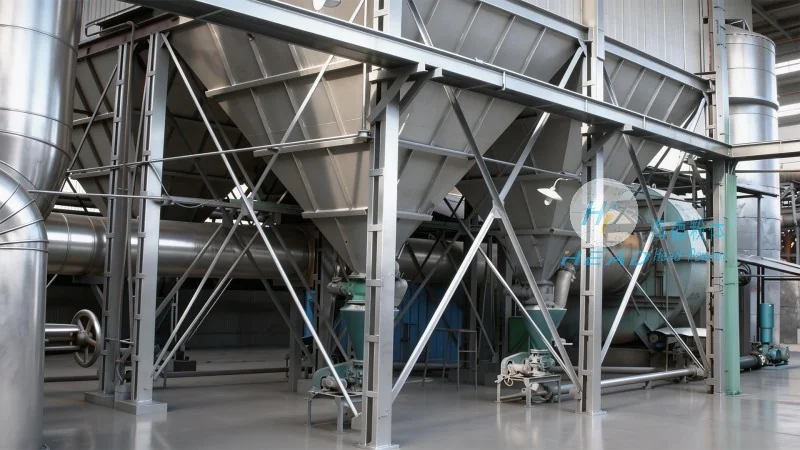
Screw conveyors, also known as auger conveyors, are another popular option for sweet potato transport. These systems consist of a rotating screw inside a tube, which moves the sweet potatoes forward through the tube. Screw conveyors are highly compact and can be installed in tight spaces, making them ideal for facilities with limited floor space. They are also durable and can handle a variety of sweet potato types, including those with high moisture content. The main advantage of screw conveyors is their ability to transport sweet potatoes vertically, which can save space and simplify the overall layout of the processing line. However, they may not be suitable for large or irregularly shaped sweet potatoes, as the screw can cause damage or blockages. Additionally, screw conveyors can generate heat during operation, which may affect the quality of the sweet potatoes if not properly managed.
3. Pneumatic Conveyors: High Speed and Minimal Labor
Pneumatic conveyors use air pressure to transport sweet potatoes through a system of pipes. These systems are known for their high speed and ability to handle large volumes of sweet potatoes. The primary advantage of pneumatic conveyors is their minimal labor requirements, as they can operate automatically without the need for manual handling. They are also suitable for transporting sweet potatoes over long distances, making them ideal for large-scale processing facilities. However, pneumatic conveyors require a significant amount of energy to operate, which can increase operational costs. Additionally, they may not be suitable for sweet potatoes with high moisture content, as the air can cause the tubers to dry out or become damaged. Furthermore, the system can be prone to clogging if the sweet potatoes are not properly sized or cleaned before transport.
4. Bucket Elevators: Efficient Vertical Transport
Bucket elevators are designed specifically for vertical transport of sweet potatoes and are commonly used in processing lines where elevation changes are necessary. These systems consist of a series of buckets attached to a chain or belt, which moves the sweet potatoes upward. The primary advantage of bucket elevators is their high efficiency in vertical transport, as they can move large volumes of sweet potatoes quickly and with minimal space requirements. They are also durable and can handle a variety of sweet potato sizes and shapes. However, bucket elevators may not be suitable for wet or sticky sweet potatoes, as the buckets can become clogged or slip. Additionally, they require regular maintenance to ensure smooth operation, as the buckets and chains can wear out over time.

5. Vibrating Conveyors: Gentle Handling and Low Maintenance
Vibrating conveyors use vibrations to move sweet potatoes along a trough. These systems are known for their gentle handling of sweet potatoes, which helps to prevent damage to the tubers. The primary advantage of vibrating conveyors is their ability to handle wet or sticky sweet potatoes without causing clogging. They are also low maintenance, as they have fewer moving parts compared to other conveying systems. Vibrating conveyors are ideal for facilities that require gentle handling of sweet potatoes, such as those processing for fresh market or food processing applications. However, they may not be suitable for large volumes of sweet potatoes, as the system can become overloaded and inefficient. Additionally, the vibrations can be noisy, which may affect the working environment in the processing facility.
Conclusion: Choosing the Right Sweet Potato Conveying Method
Selecting the appropriate sweet potato conveying method depends on several factors, including the volume of sweet potatoes to be handled, the available space, the type of sweet potatoes, and the specific processing requirements. Belt conveyors offer versatility and cost-effectiveness, while screw conveyors are compact and durable. Pneumatic conveyors provide high speed and minimal labor, and bucket elevators are efficient for vertical transport. Vibrating conveyors offer gentle handling and low maintenance. Shandong HeadPowder Engineering Co., Ltd. provides a range of conveying solutions tailored to meet these specific needs, ensuring that clients can select the most suitable system for their operations. By understanding the advantages and disadvantages of each method, processors can make informed decisions that enhance productivity, reduce costs, and maintain the quality of their sweet potatoes.