

What Are Pharmaceutical Powder Handling Equipment? And What Are Their Design Principles?
Pharmaceutical powder handling equipment is a critical component in the pharmaceutical manufacturing process, ensuring the safe, efficient, and hygienic transfer of powders from one stage to another. These specialized devices are essential for maintaining product quality, preventing contamination, and meeting stringent regulatory standards. Understanding the types of equipment and their design principles is vital for pharmaceutical manufacturers to optimize their production lines and enhance overall operational efficiency.

Overview of Pharmaceutical Powder Handling Equipment
Pharmaceutical powder handling equipment encompasses a range of devices designed to manage the movement, storage, and processing of powders used in drug production. These systems are engineered to handle materials such as active pharmaceutical ingredients (APIs), excipients, and other raw materials with precision and care. The primary goal of these equipment is to ensure that powders are transferred without degradation, segregation, or contamination, which could compromise the efficacy and safety of the final pharmaceutical product.
Key Components and Functions of Powder Handling Systems
At the core of pharmaceutical powder handling equipment are several key components that work in tandem to achieve efficient operation. These include feeders, conveyors, mixers, and storage vessels, each serving a specific function in the powder handling process. Feeders are responsible for controlling the flow rate of powders, ensuring a consistent and controlled feed to downstream equipment. Conveyors, such as pneumatic or mechanical systems, transport powders from one location to another within the manufacturing facility. Mixers are used to blend different powders or add excipients to achieve the desired formulation. Storage vessels, often equipped with agitation or vacuum systems, provide a controlled environment for storing powders before processing.

Design Principles for Pharmaceutical Powder Handling Equipment
The design of pharmaceutical powder handling equipment follows strict principles to ensure compliance with regulatory requirements and maintain product integrity. One of the most critical principles is hygienic design, which involves using materials that are easy to clean and sanitize, such as stainless steel, to prevent microbial growth and cross-contamination. Additionally, equipment is designed to minimize powder degradation, which can occur due to factors like friction, impact, or exposure to air. To achieve this, components are often equipped with features like smooth surfaces, rounded corners, and minimal dead zones where powders can accumulate. Another key principle is dust control, as pharmaceutical powders can be hazardous if inhaled. Equipment is designed with dust collection systems and sealed enclosures to prevent dust release and protect both the product and the environment.

Types of Pharmaceutical Powder Handling Equipment
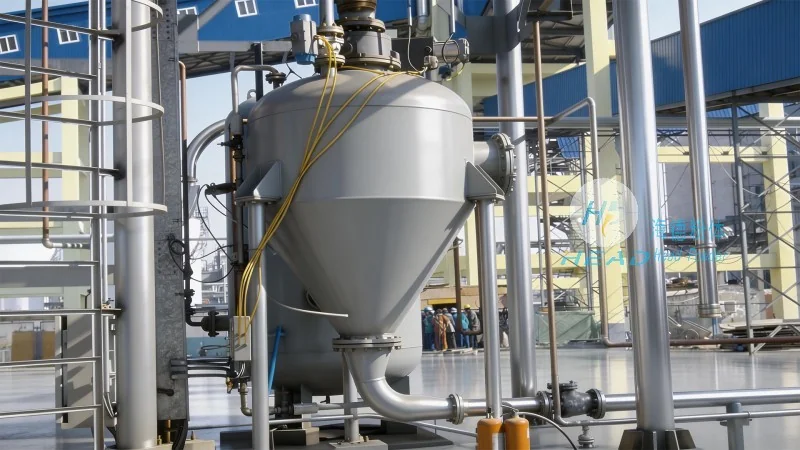
There are several types of pharmaceutical powder handling equipment, each tailored to specific applications and production needs. One common type is the pneumatic conveyor system, which uses air pressure to transport powders through a network of pipes. This system is ideal for long-distance transport and can handle a wide range of powder types. Another type is the mechanical conveyor, such as a screw or belt conveyor, which uses mechanical force to move powders. These systems are often used for short-distance transport or when a more controlled, low-speed transfer is required. For mixing applications, high-shear mixers or planetary mixers are commonly used to achieve uniform blending of powders. These mixers are designed to handle different viscosities and particle sizes, ensuring consistent product quality.
Importance of Proper Design and Maintenance
Proper design and regular maintenance of pharmaceutical powder handling equipment are essential to ensure long-term performance and compliance with regulatory standards. Equipment must be designed to prevent product contamination, which can occur due to material wear, leaks, or improper sealing. Regular maintenance, including cleaning, calibration, and inspection of components, is necessary to maintain the equipment's efficiency and prevent downtime. Additionally, manufacturers must follow good manufacturing practices (GMP) guidelines when designing and operating powder handling systems to ensure that the final pharmaceutical product meets quality and safety standards.
About Shandong HeadPowder Engineering Co., Ltd.
Shandong HeadPowder Engineering Co., Ltd., commonly known as headpowder, is a leading manufacturer of pharmaceutical powder handling equipment. With a focus on innovation and quality, the company provides a wide range of solutions tailored to the needs of the pharmaceutical industry. HeadPowder's products are designed to meet the stringent requirements of GMP and regulatory bodies, ensuring that they are safe, efficient, and reliable. The company's commitment to customer satisfaction and continuous improvement has made it a trusted partner for pharmaceutical manufacturers worldwide. HeadPowder is located in Shandong, China, and serves clients globally with its advanced technology and expertise in powder handling systems.