

What is Polyurethane Powder Handling? Understanding Its Design Principles
For industrial operations dealing with polyurethane powders, efficient and reliable handling systems are crucial. This article explores the concept of polyurethane powder handling, its significance in material processing, and the underlying design principles that ensure optimal performance.
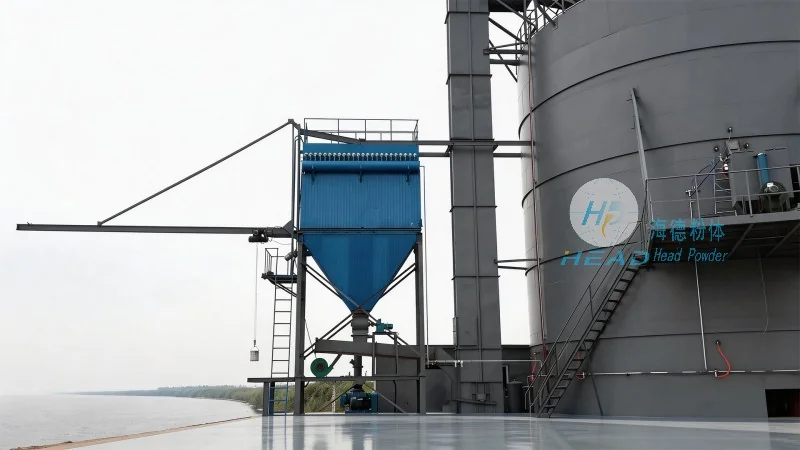
Polyurethane Powder Handling: An Overview
Polyurethane powder handling refers to the processes and technologies used to transport, store, and manage polyurethane powders within industrial settings. These powders are commonly used in various applications, including coatings, adhesives, and elastomers, making their proper handling essential for maintaining product quality and operational efficiency.
The handling of polyurethane powders involves several key steps, such as material feeding, conveying, and storage. Each step requires specialized equipment and design considerations to prevent issues like caking, segregation, or material degradation. Effective polyurethane powder handling systems not only enhance productivity but also contribute to workplace safety by minimizing dust exposure and ensuring consistent material flow.
Design Principles for Polyurethane Powder Handling Systems
The design of polyurethane powder handling systems is guided by several fundamental principles aimed at optimizing performance and reliability. These principles include:
1. Material Compatibility: The equipment used must be compatible with polyurethane powders to avoid chemical reactions or material degradation. Materials like stainless steel or specialized polymers are often chosen to prevent contamination and ensure longevity.
2. Flow Control: Proper flow control is critical to prevent issues like bridging, rat-holing, or uneven material distribution. Design elements such as hopper geometry, aeration systems, and vibration mechanisms are incorporated to maintain consistent flow rates.
3. Dust Control: Polyurethane powders can generate significant dust during handling, which poses health and safety risks. Effective dust control measures, including sealed systems, filtration, and local exhaust ventilation, are essential to mitigate these risks and comply with environmental regulations.

4. Scalability and Flexibility: Modern polyurethane powder handling systems are designed to be scalable and adaptable to varying production needs. This includes features like adjustable conveyor speeds, modular components, and the ability to integrate with existing industrial processes.
Key Components of Polyurethane Powder Handling Systems
Polyurethane powder handling systems typically consist of several key components, each playing a vital role in the overall operation. These components include:
1. Hoppers and Feeders: Hoppers are used to store and feed polyurethane powders into the system. The design of hoppers, including their shape and size, is critical to prevent material bridging and ensure smooth flow. Feeders, such as rotary valves or vibratory feeders, regulate the flow rate of the powder from the hopper to the conveyor.
2. Conveyors: Conveyors are responsible for transporting polyurethane powders from one location to another. Common types include belt conveyors, screw conveyors, and pneumatic conveyors. The choice of conveyor depends on factors like material characteristics, distance, and desired flow rate.
3. Storage Tanks and Silos: For bulk storage, storage tanks or silos are used to hold large quantities of polyurethane powders. These structures are designed to prevent contamination and maintain material quality. Aeration systems may be incorporated to prevent caking and ensure uniform material distribution.
4. Dust Collection Systems: To control dust emissions, dust collection systems are integrated into the handling process. These systems typically include filters, fans, and collection containers to capture and remove airborne particles, ensuring a clean and safe working environment.

Benefits of Effective Polyurethane Powder Handling
Implementing an effective polyurethane powder handling system offers numerous benefits for industrial operations. These benefits include:
1. Improved Product Quality: Consistent and controlled handling of polyurethane powders ensures that the final product meets quality standards. Preventing issues like segregation or degradation maintains the desired properties of the material.
2. Increased Operational Efficiency: Efficient handling systems reduce downtime and improve production throughput. By minimizing material losses and ensuring smooth material flow, operations can achieve higher productivity.
3. Enhanced Safety: Proper dust control and sealed systems reduce the risk of respiratory issues and other health hazards associated with polyurethane powders. This contributes to a safer working environment for employees.
4. Cost Savings: Effective handling reduces material waste and lowers maintenance costs by minimizing equipment wear and tear. Additionally, improved efficiency can lead to lower operational expenses over time.
Conclusion
Polyurethane powder handling is a critical aspect of industrial operations involving polyurethane materials. By understanding the design principles and key components of these systems, businesses can enhance their productivity, maintain product quality, and ensure workplace safety. The implementation of well-designed polyurethane powder handling systems is essential for the success of any operation dealing with these materials.