

What is Water Glass Powder Handling? And What Are Its Design Principles?
Water glass powder handling refers to the process of transporting and managing water glass powders, which are a type of sodium silicate solution that solidifies into a glassy substance when exposed to acid. This material is widely used in various industrial applications, including construction, chemical manufacturing, and water treatment. The efficient handling of water glass powders is crucial for ensuring consistent performance and safety in these processes. In this article, we will explore the fundamental aspects of water glass powder handling and delve into the key design principles that underpin effective systems.
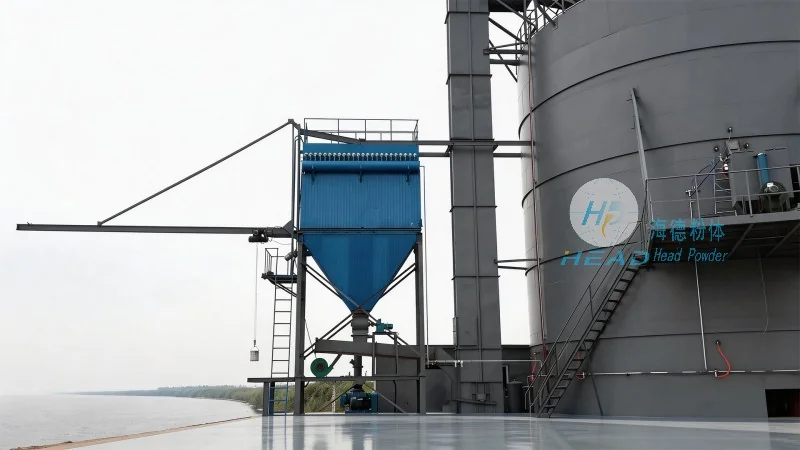
Understanding Water Glass Powders and Their Handling Requirements
Water glass powders, also known as sodium silicate powders, are hygroscopic and can absorb moisture from the air, leading to clumping or caking if not handled properly. This characteristic makes it essential to use specialized equipment and techniques to maintain the powder's integrity during storage, transportation, and use. The handling process typically involves several stages, including material feeding, conveying, storage, and dispensing. Each stage requires careful consideration of the powder's physical properties, such as its particle size distribution, bulk density, and flowability.
The Core Design Principles for Water Glass Powder Handling Systems
Effective water glass powder handling systems are built on several critical design principles that ensure reliability, efficiency, and safety. The first principle is the selection of appropriate equipment based on the powder's characteristics. For example, if the powder is cohesive or has poor flowability, equipment like rotary valves, vibratory feeders, or air slides may be necessary to prevent blockages and ensure smooth material flow. Another key principle is the implementation of proper sealing and dust control measures. Water glass powders can generate fine dust, which poses health risks and can affect the performance of downstream equipment. Therefore, systems often incorporate dust collection systems, sealed hoppers, and enclosed conveyors to minimize exposure and maintain a clean environment.
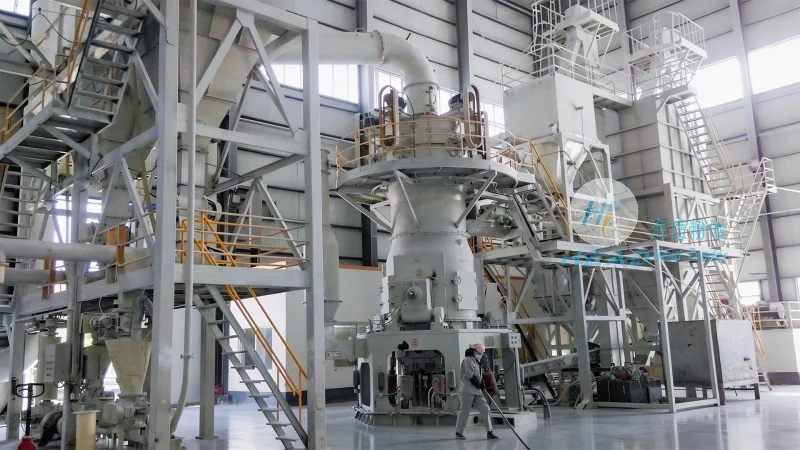
Key Components of a Water Glass Powder Handling System
A typical water glass powder handling system consists of several interconnected components that work together to achieve efficient material transfer. The primary components include a storage silo or hopper, a feeding device (such as a screw feeder or rotary valve), a conveying system (like a pneumatic or mechanical conveyor), and a dispensing or dosing unit. The storage silo is designed to hold the powder in a controlled environment, often with a venting system to regulate pressure and prevent moisture ingress. The feeding device controls the rate of material release from the silo, ensuring a consistent flow to the conveyor. The conveying system transports the powder from the storage area to the point of use, with options including pneumatic systems (using air pressure to move the powder) or mechanical systems (using belts or screws). The dispensing unit, such as a metering pump or a gravity-fed valve, regulates the final output of the powder to meet process requirements.
Ensuring Safety and Compliance in Water Glass Powder Handling
Handling water glass powders involves several safety considerations due to the material's potential to cause respiratory issues if inhaled and its chemical properties. Proper safety measures are essential to protect workers and maintain compliance with industry regulations. These measures include the use of personal protective equipment (PPE) like respirators and gloves, regular maintenance of equipment to prevent leaks or spills, and the implementation of housekeeping practices to keep work areas clean and free of dust. Additionally, many handling systems are designed with emergency shut-off valves and dust suppression systems to mitigate risks in case of an incident. Compliance with local and international safety standards, such as those from OSHA or the EU, is also a critical aspect of designing and operating these systems.

Case Study: A Real-World Application of Water Glass Powder Handling
Shandong HeadPowder Engineering Co., Ltd., a leading provider of powder handling solutions, has successfully implemented water glass powder handling systems for various clients. One notable project involved supplying a construction company with a custom-designed system for handling water glass powders used in concrete admixtures. The system included a 20-ton storage silo, a vibratory feeder for consistent material flow, and a pneumatic conveyor to transport the powder to the mixing plant. The design incorporated dust collection and sealing mechanisms to ensure a safe working environment and prevent material loss. The client reported improved efficiency in their production process, reduced downtime due to blockages, and enhanced product quality as a result of the optimized handling system.
Conclusion: The Importance of Proper Water Glass Powder Handling
Water glass powder handling is a complex but essential process that requires careful consideration of the material's properties and the design of the handling system. By adhering to the key principles outlined above, industries can ensure the safe and efficient transport of water glass powders, leading to improved operational performance and product quality. Companies like Shandong HeadPowder Engineering Co., Ltd. play a vital role in providing tailored solutions that meet the specific needs of their clients, helping them achieve their production goals while maintaining safety and compliance standards.