

What is Dry Manure Powder Conveying? And What Are Its Design Principles?
Understanding dry manure powder conveying systems is crucial for modern agricultural operations, especially in managing large volumes of processed livestock waste. This technology enables the efficient and hygienic transport of dry, fine manure particles, which is essential for maintaining farm hygiene and optimizing waste management processes. The following discussion explores the fundamental concepts behind dry manure powder conveying and the core design principles that underpin these systems.

Introduction to Dry Manure Powder Conveying
Dry manure powder conveying refers to the process of transporting dry, granular or powdery manure using pneumatic or mechanical methods. Unlike traditional wet manure handling, this approach preserves the dry state of the material, preventing clumping and reducing odor emissions. The system is designed to handle large quantities of manure, often from dairy or poultry farms, and is typically integrated into larger waste management infrastructure. By converting solid waste into a dry powder, the conveying process becomes more efficient, as the material is lighter and easier to move through pipelines or ducts.
Key Components of a Dry Manure Powder Conveying System
At the heart of a dry manure powder conveying system are several critical components that work in tandem to ensure reliable operation. The primary components include a feed hopper or conveyor for introducing the dry manure into the system, a high-pressure or vacuum pneumatic pump (often a centrifugal or rotary lobe blower) to generate the necessary airflow, a network of stainless steel or plastic pipes to transport the powder, and a dust separator or cyclone to separate the manure particles from the air stream. Additionally, a control panel with sensors and valves is used to regulate the flow rate, pressure, and air volume, ensuring optimal performance and preventing system overload.
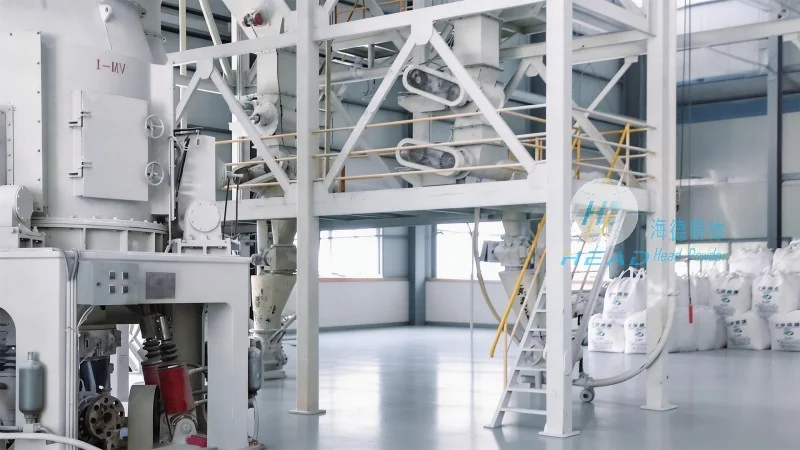
Design Principles for Efficient Dry Manure Powder Conveying
The design of a dry manure powder conveying system is guided by several key principles aimed at maximizing efficiency, minimizing energy consumption, and ensuring durability. One of the most important principles is maintaining the dryness of the manure throughout the process. This is achieved by using low-moisture feedstock and incorporating drying mechanisms, such as rotary dryers or air preheaters, before the material enters the conveying system. Another critical principle is the selection of appropriate materials for the pipes and components, as manure can be abrasive and corrosive. Stainless steel or high-density polyethylene (HDPE) pipes are commonly used to withstand the wear and tear of the powder, while the blower and other moving parts are designed with corrosion-resistant materials to extend the system's lifespan.
How the System Operates: A Step-by-Step Overview
The operation of a dry manure powder conveying system follows a systematic process that begins with the collection of dry manure from the source. The material is first fed into a hopper, where it is then transferred to a feeder that controls the flow rate. The feeder sends the dry manure into the conveying pipe, where it is mixed with a controlled amount of air from the blower. The air stream propels the manure particles through the pipe network, which may include bends, valves, and junctions, to the destination point—such as a storage silo, composting facility, or treatment plant. At the end of the line, a dust separator captures the manure particles and returns them to the system or to a collection bin, while the clean air is discharged to the atmosphere. The entire process is monitored by sensors that track pressure, flow rate, and temperature, allowing for real-time adjustments to maintain optimal performance.
Benefits of Dry Manure Powder Conveying Systems
Implementing a dry manure powder conveying system offers numerous advantages for agricultural operations. First, it significantly reduces the labor required for manure handling, as the material is moved automatically without the need for manual shoveling or loading. Second, the dry state of the manure minimizes odor and pathogen spread, improving the overall hygiene of the farm environment. Third, the system enhances the quality of the manure as a fertilizer, as the dry powder is more uniform and easier to blend with other nutrients. Additionally, the efficient transport reduces the risk of spillage and contamination, which is critical for environmental compliance and sustainable farming practices.

Applications and Use Cases
Dry manure powder conveying systems are widely used in various agricultural settings, particularly in large-scale dairy and poultry operations. In dairy farms, the system can handle the daily output of manure from milking parlors and barns, transporting it to a central storage facility for later use as organic fertilizer. In poultry farms, the system is ideal for processing the dry manure from layer or broiler houses, which is often mixed with bedding material and dried to a powder. The technology is also applicable in integrated waste management systems, where the dry manure is combined with other organic waste (such as food scraps or yard waste) to produce compost or biogas. Regardless of the application, the system's ability to handle large volumes of dry material efficiently makes it a valuable asset for modern farms.
Conclusion: The Role of Dry Manure Powder Conveying in Modern Agriculture
As agricultural practices evolve to prioritize sustainability and efficiency, dry manure powder conveying systems have become an essential component of modern waste management infrastructure. By leveraging pneumatic or mechanical transport methods, these systems enable farms to handle large volumes of dry manure with minimal labor and environmental impact. The design principles, including material selection, airflow control, and system monitoring, ensure that the process is both effective and durable. For farms looking to optimize their waste management operations, investing in a dry manure powder conveying system from a reputable manufacturer like Shandong HeadPowder Engineering Co., Ltd. can provide long-term benefits in terms of productivity, hygiene, and environmental responsibility.