

What is an Activated Carbon Granule Pneumatic Conveying System Equipment? What Are Its Design Princi
Activated carbon granule pneumatic conveying systems are advanced industrial equipment designed to transport activated carbon granules efficiently and safely. These systems are crucial in various industries, including water treatment, air purification, and chemical processing, where the reliable handling of activated carbon is essential for maintaining system performance and operational efficiency.

Overview of Activated Carbon Granule Pneumatic Conveying Systems
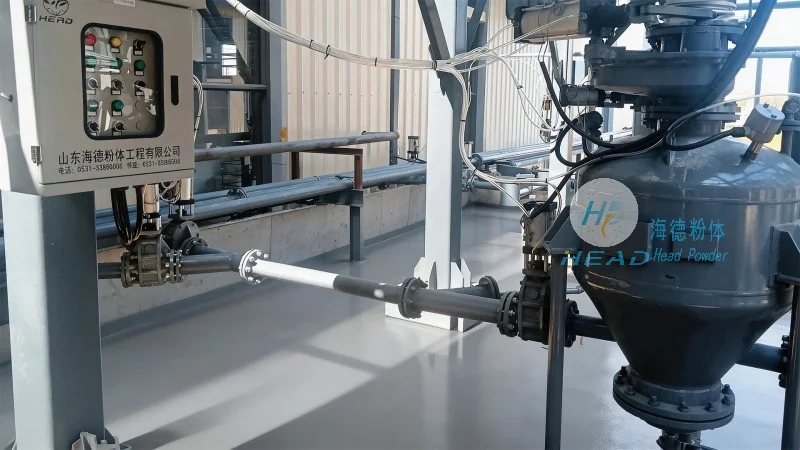
At the core of these systems is the pneumatic conveying technology, which uses air or other gases to move granular materials through a pipeline. The equipment typically consists of several key components, including a hopper for material storage, a feeder to control the flow rate, a conveying line, and a receiver for the discharged material. The system operates by creating a pressure differential between the inlet and outlet of the conveying line, allowing the activated carbon granules to be suspended and transported by the moving air stream.
Key Components and Their Functions
The performance of an activated carbon granule pneumatic conveying system depends on the proper integration and operation of its main components. The hopper serves as the storage vessel, ensuring a consistent supply of material to the feeder. The feeder, often a rotary valve or a vibratory feeder, regulates the flow rate of the activated carbon granules into the conveying line, preventing overloading and maintaining stable operation. The conveying line, usually made of stainless steel or other corrosion-resistant materials, is designed to withstand the abrasive nature of activated carbon and the pressure differentials involved in the conveying process. The receiver, typically a hopper or a silo, collects the conveyed material and can be integrated with downstream processing equipment.
Design Principles for Efficient Pneumatic Conveying
The design of an activated carbon granule pneumatic conveying system follows several fundamental principles to ensure optimal performance, energy efficiency, and material handling capabilities. One of the primary design considerations is the selection of the appropriate conveying velocity, which must be high enough to keep the granules suspended in the air stream but low enough to prevent excessive wear on the system components. The system's pressure drop across the conveying line is another critical factor, as it directly impacts the energy consumption and the overall efficiency of the operation. Engineers must carefully calculate the pressure drop to balance the conveying capacity with the available power and to minimize energy waste.

Another key design principle is the consideration of the material's characteristics, such as particle size, density, and flowability. Activated carbon granules vary in size and shape, and their properties can significantly affect the conveying process. For instance, larger or irregularly shaped granules may require higher conveying velocities or specialized hopper designs to prevent blockages and ensure smooth flow. The system's design must also account for the potential for dust generation and the need for proper dust collection and filtration to maintain air quality and comply with environmental regulations.

Applications and Benefits in Industrial Settings
Activated carbon granule pneumatic conveying systems are widely used in industrial applications where the handling of activated carbon is critical. In water treatment facilities, these systems are employed to transport activated carbon from storage silos to filtration units, ensuring consistent and efficient water purification. In air purification systems, the equipment is used to move activated carbon from regeneration units back to the adsorption towers, facilitating the continuous operation of the air treatment process. The benefits of using pneumatic conveying for activated carbon include reduced labor costs, improved safety by minimizing manual handling, and enhanced process control through automated material flow management.
Company Information: Shandong HeadPowder Engineering Co., Ltd.
Shandong HeadPowder Engineering Co., Ltd., a leading manufacturer in the field of industrial conveying systems, specializes in the design, manufacturing, and supply of activated carbon granule pneumatic conveying equipment. With a strong focus on innovation and quality, the company has developed advanced solutions tailored to the specific needs of various industries. HeadPowder's products are engineered to meet the highest standards of performance, durability, and reliability, ensuring long-term operational efficiency and customer satisfaction. The company's headquarters is located in Shandong, China, where it leverages its expertise and resources to deliver cutting-edge solutions for industrial material handling challenges.