

What is a polyester fiber pneumatic conveying line? What are its design principles?
A polyester fiber pneumatic conveying line is a specialized system engineered to transport bulk materials, such as powders or granules, through an enclosed pipeline using air or gas as the conveying medium. This technology offers an efficient and flexible solution for material handling across diverse industrial applications, including pharmaceuticals, food processing, and chemical manufacturing. The system operates on the principles of fluidization and air flow, enabling materials to be moved from a source to a destination with minimal maintenance and high operational efficiency.
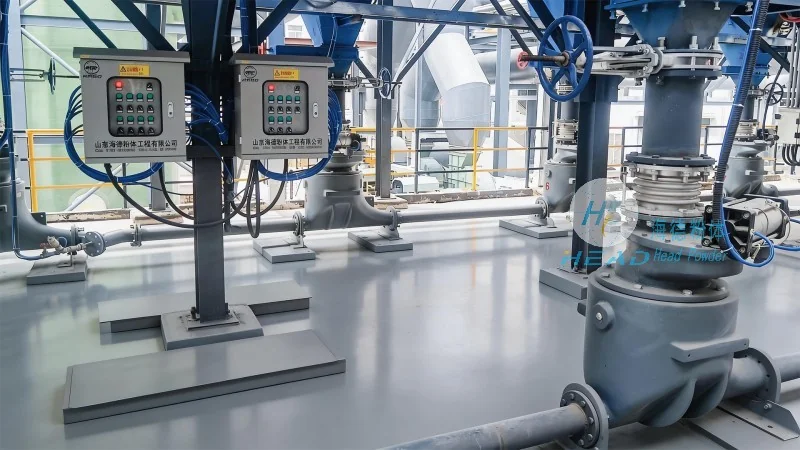
Understanding the Design Principles of Polyester Fiber Pneumatic Conveying Lines
The design of a polyester fiber pneumatic conveying line involves several key components and principles that ensure optimal performance and reliability. The primary components typically include a material hopper, a conveying pipeline, a blower or compressor to generate air pressure, a filter system to capture and return the air, and a discharge outlet for the material. The selection of polyester fiber as the material for the pipeline is critical due to its durability, resistance to abrasion, and ability to handle a wide range of materials without degradation.
One of the fundamental design principles is the selection of appropriate air velocity and pressure. The air velocity must be sufficient to fluidize the material and maintain it in a suspended state within the pipeline, preventing blockages and ensuring smooth transport. The pressure level is determined by the distance the material needs to travel and the characteristics of the material being conveyed, such as its density and flowability. Engineers at Shandong HeadPowder Engineering Co., Ltd. meticulously calculate these parameters to optimize the system's performance and energy consumption.

Key Design Considerations for Polyester Fiber Pneumatic Conveying Systems
When designing a polyester fiber pneumatic conveying line, several factors must be considered to ensure the system operates effectively and safely. The first consideration is the material's physical properties, including its particle size, density, and moisture content. These factors influence the air velocity and pressure required for successful transport. For example, fine powders may require higher air velocities to prevent caking or agglomeration, while larger granules may need lower velocities to avoid excessive wear on the pipeline.
Another critical design aspect is the pipeline layout and configuration. The system's layout should minimize bends and changes in direction to reduce pressure losses and prevent material accumulation. The use of smooth, flexible polyester fibers helps to maintain consistent air flow and prevent blockages caused by material buildup. Additionally, the system must include proper filtration to capture any particles that escape the pipeline, ensuring that the air is returned to the blower and the environment remains clean.

Advantages of Polyester Fiber Pneumatic Conveying Lines
Polyester fiber pneumatic conveying lines offer several advantages over traditional material handling methods. One of the main benefits is the ability to handle a wide variety of materials, including those that are sensitive to moisture or contamination. The enclosed pipeline prevents exposure to the environment, maintaining the material's quality and integrity. Additionally, the system is relatively compact and can be installed in tight spaces, making it suitable for facilities with limited floor space.
Another advantage is the low maintenance requirements. The polyester fiber material is resistant to abrasion and corrosion, reducing the need for frequent repairs or replacements. The system also operates quietly, minimizing noise pollution in the workplace. Furthermore, the use of air as the conveying medium allows for gentle handling of delicate materials, preventing damage that could occur with mechanical conveyors.
Applications of Polyester Fiber Pneumatic Conveying Lines
Polyester fiber pneumatic conveying lines are widely used in various industries due to their versatility and efficiency. In the pharmaceutical industry, they are used to transport active pharmaceutical ingredients (APIs) and excipients, ensuring that the materials remain sterile and free from contamination. In the food processing industry, they handle ingredients such as flour, sugar, and spices, maintaining the product's quality and safety. In the chemical industry, they transport powders and granules, including catalysts and reagents, with precision and reliability.

These systems are also used in other sectors, such as cosmetics and agriculture, where the handling of fine powders and granules is essential. The ability to customize the system to meet specific application requirements makes it a popular choice for many industries. Shandong HeadPowder Engineering Co., Ltd. specializes in designing and manufacturing polyester fiber pneumatic conveying lines tailored to the unique needs of each client, ensuring optimal performance and satisfaction.
Conclusion
A polyester fiber pneumatic conveying line is a sophisticated system that combines advanced materials and engineering principles to efficiently transport bulk materials. The design principles, including proper air velocity, pressure, and pipeline configuration, are critical to the system's success. With its advantages in material handling, durability, and flexibility, this technology is widely adopted in various industrial applications. Shandong HeadPowder Engineering Co., Ltd. provides expert solutions for polyester fiber pneumatic conveying systems, leveraging years of experience to deliver high-quality, reliable equipment for its clients in China.