

What is Potato Starch Pneumatic Conveying? And What Are Its Design Principles?
Understanding the fundamentals of potato starch pneumatic conveying is crucial for industries that rely on efficient material handling solutions. This article delves into the core concepts of pneumatic conveying systems specifically designed for handling potato starch, along with an exploration of their underlying design principles. By examining the technical aspects and operational efficiency of these systems, we aim to provide a comprehensive overview for professionals seeking to optimize their material transport processes.
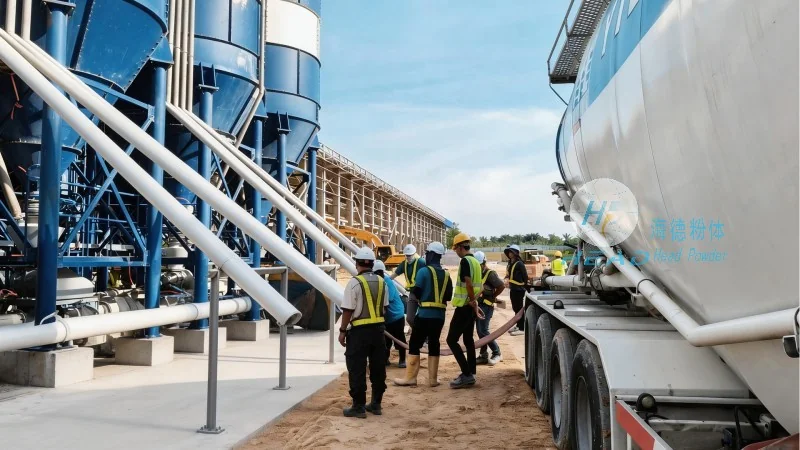
Potato Starch Pneumatic Conveying: An Overview
Potato starch, a key ingredient in various food and industrial applications, requires specialized handling due to its fine particle size and hygroscopic nature. Traditional conveying methods like belt conveyors or bucket elevators may not be suitable for such delicate materials, as they can cause product degradation, dust generation, or clogging. Pneumatic conveying offers a solution by transporting the material using air or gas as the conveying medium, ensuring a clean, dust-free, and efficient transfer process. This method is particularly advantageous for potato starch, which is sensitive to moisture and mechanical stress.
The Core Design Principles of Pneumatic Conveying Systems
The design of a potato starch pneumatic conveying system involves several critical principles that ensure optimal performance and reliability. The first principle is the selection of the appropriate conveying type, which can be categorized into two main systems: dilute-phase and dense-phase. Dilute-phase systems use low air-to-material ratios, typically operating at air velocities above the material's terminal velocity, resulting in a high material concentration in the air stream. Dense-phase systems, on the other hand, use higher air-to-material ratios and lower velocities, creating a more concentrated material stream with less air. For potato starch, a dilute-phase system is often preferred due to its ability to handle fine powders without excessive pressure drops or particle degradation.
Another key design principle is the selection of the right air velocity. The air velocity must be sufficient to overcome the material's resistance to flow and prevent settling or clogging in the conveying line. For potato starch, the optimal air velocity is typically between 20 to 30 meters per second, depending on the particle size and moisture content. The design also considers the system's pressure drop, which is the pressure loss as the material travels through the pipeline. Proper sizing of the pipeline diameter and length is essential to minimize pressure drop and ensure consistent conveying performance.

Key Components and Their Function in Potato Starch Pneumatic Conveying
A pneumatic conveying system for potato starch consists of several interconnected components, each playing a vital role in the overall operation. The primary components include the material feeder, which introduces the potato starch into the conveying line at a controlled rate; the air compressor or blower, which provides the necessary air pressure to move the material; the conveying line, which transports the material from the feeder to the discharge point; and the dust collector or filter, which captures any airborne particles to maintain a clean environment.
The material feeder is a critical component, as it must handle the fine, free-flowing nature of potato starch without causing blockages or uneven feeding. Common types include rotary valves, screw feeders, or vibratory feeders, each designed to provide a consistent flow rate. The air compressor or blower is responsible for generating the air pressure required for conveying. For potato starch applications, a positive displacement blower is often preferred due to its ability to provide consistent pressure and flow rates, even at low speeds. The conveying line is typically made of stainless steel or other corrosion-resistant materials to prevent contamination and ensure durability. The line diameter is carefully selected based on the material's flow characteristics and the desired air velocity to minimize pressure drop and energy consumption.
Advantages of Using Pneumatic Conveying for Potato Starch
Implementing a pneumatic conveying system for potato starch offers numerous advantages over traditional conveying methods. One of the most significant benefits is the reduction in dust generation and product contamination. Unlike mechanical conveyors, which can cause friction and particle breakdown, pneumatic systems use air to transport the material, minimizing the risk of dust and maintaining product purity. This is particularly important for potato starch, which is used in food applications where hygiene and quality are paramount.

Another advantage is the ability to handle fine powders without clogging or degradation. The air flow in a pneumatic system helps to keep the particles suspended, preventing them from settling and causing blockages in the pipeline. This ensures a continuous and reliable conveying process, even for materials with high moisture content or cohesive properties. Additionally, pneumatic conveying systems are more flexible in terms of layout and can be easily integrated into existing production lines, allowing for space-saving designs and improved workflow efficiency.
Design Considerations for Optimal Performance
Designing an effective potato starch pneumatic conveying system requires careful consideration of several factors to ensure optimal performance and longevity. One of the most important considerations is the material's physical properties, such as particle size, density, and moisture content. These properties directly impact the system's air velocity, pressure drop, and component selection. For example, finer potato starch particles may require higher air velocities to prevent settling, while higher moisture content can increase the material's stickiness, necessitating additional measures like anti-stick coatings or vibration to prevent clogging.
System layout and pipeline design are also critical. The conveying line should be designed with gentle curves and minimal changes in direction to avoid particle damage or pressure loss. The use of expansion joints and flexible connectors can help accommodate thermal expansion and reduce stress on the system components. Additionally, the system should be equipped with pressure relief valves and safety devices to prevent overpressure and ensure safe operation. Regular maintenance and cleaning are essential to maintain the system's efficiency and prevent contamination, as potato starch can accumulate in the pipeline and affect performance over time.