

What is Grain Pneumatic Conveying? And What Are Its Design Principles?
Grain pneumatic conveying is a technology used to transport bulk materials like grains through a pipeline system using air or gas as the conveying medium. This method has become increasingly popular in the agricultural and food processing industries due to its efficiency, flexibility, and ability to handle various grain types without mechanical contact that might cause damage or contamination.

Understanding Grain Pneumatic Conveying
At its core, grain pneumatic conveying involves the movement of granular materials such as wheat, corn, rice, and other cereals through a sealed pipeline. The process relies on the pressure differential created by air or gas flow, which propels the grains forward. Unlike traditional mechanical conveyors that use belts, buckets, or screws, pneumatic systems utilize air to transport materials, making them ideal for applications where dust control, hygiene, and minimal product degradation are critical.
Key Components of a Pneumatic Conveying System
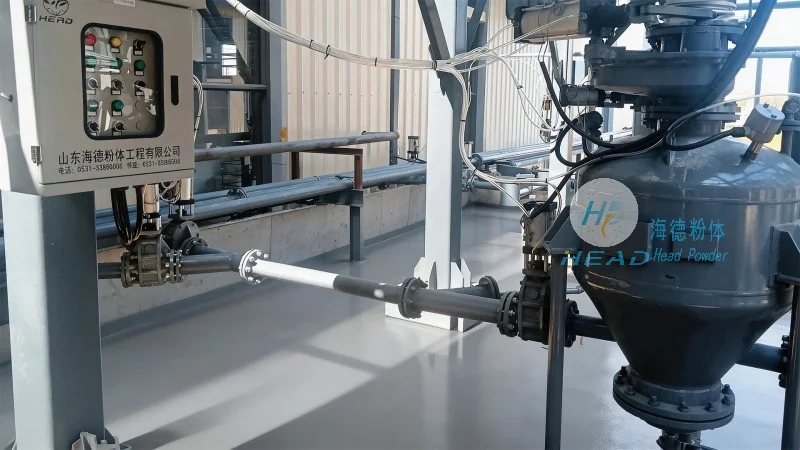
A typical grain pneumatic conveying system consists of several essential components that work in tandem to ensure efficient material transport. These components include the hopper or feed bin, which holds the grain; the conveyor line, which is the main pipeline through which the material travels; the air mover (such as a rotary lobe blower or positive displacement blower), which generates the necessary air pressure; and the control valves and regulators that manage the air flow and pressure. Additionally, the system may include filters and cyclones to separate the air from the grain and return the air to the system for reuse, enhancing energy efficiency and reducing waste.
Design Principles for Optimal Performance
The design of a grain pneumatic conveying system is crucial for achieving high efficiency, low maintenance costs, and reliable operation. Several key principles guide the engineering of these systems, including the selection of appropriate air velocities, the sizing of the pipeline and air mover, and the proper placement of components to minimize pressure losses and ensure smooth material flow. Engineers must consider factors such as the grain's bulk density, particle size distribution, and moisture content, as these properties directly impact the system's performance. For instance, higher air velocities may be required for lighter or more aerated grains to prevent clogging, while lower velocities are suitable for denser materials to reduce energy consumption.
Advantages of Grain Pneumatic Conveying
Compared to traditional mechanical conveyors, grain pneumatic conveying offers several advantages that make it a preferred choice in many industries. One of the most significant benefits is the ability to transport materials over long distances without the need for multiple transfer points or complex infrastructure. This reduces installation costs and simplifies the overall system layout. Additionally, pneumatic systems provide excellent dust control, as the material is contained within a sealed pipeline, minimizing the risk of dust exposure and improving workplace safety. The lack of mechanical contact also helps preserve the quality of the grain, preventing damage from abrasion or crushing that can occur with mechanical conveyors. Furthermore, these systems are highly flexible, allowing for easy integration with other processing equipment and the ability to change the conveying direction or destination without major modifications.

Applications in the Agricultural and Food Industry
Grain pneumatic conveying is widely used in various applications within the agricultural and food processing sectors. In grain storage facilities, it is used to transfer grain from storage silos to processing plants or for loading and unloading trucks. In flour mills and grain processing plants, it efficiently moves raw materials to processing equipment such as cleaners, dehullers, and grinders. The technology is also employed in the packaging industry, where it transports finished products into packaging lines. Additionally, pneumatic conveying systems are used in the transportation of grains for export, enabling seamless transfer from storage to shipping containers or trucks.
HeadPowder Engineering Co., Ltd.: Experts in Pneumatic Conveying Solutions
HeadPowder Engineering Co., Ltd., a leading provider of engineering solutions for material handling systems, specializes in designing and manufacturing high-quality grain pneumatic conveying systems. With years of experience in the industry, the company has developed a deep understanding of the unique challenges associated with grain handling and has tailored its solutions to meet the specific needs of its clients. Based in Shandong, China, HeadPowder leverages advanced engineering techniques and high-quality materials to ensure that its systems are durable, efficient, and reliable. The company's commitment to innovation and customer satisfaction has made it a trusted partner for businesses seeking to improve their material handling processes. Whether it's a new installation or an upgrade to an existing system, HeadPowder provides comprehensive support, from initial design and consultation to installation and maintenance, ensuring that clients achieve optimal performance and cost savings.