

Common Methods for Conveying Monosodium Glutamate Powder: A Comparison
HeadPowder, a leading manufacturer based in Shandong, China, specializes in providing efficient and reliable solutions for the handling and conveying of monosodium glutamate (MSG) powder. As a key ingredient in the food industry, the proper transportation of MSG powder is crucial for maintaining product quality and operational efficiency. This article provides a detailed comparison of common conveying methods used in the industry, helping businesses select the most suitable option for their specific needs.

1. Screw Conveyors: A Traditional and Versatile Option
Screw conveyors, also known as auger conveyors, are a widely used method for transporting monosodium glutamate powder. These systems consist of a rotating screw (auger) inside a trough, which moves the material forward through the conveyor. Screw conveyors are particularly effective for horizontal or slightly inclined applications, making them suitable for short to medium distance transport. They are known for their simplicity, low maintenance requirements, and ability to handle a wide range of powder types, including MSG powder. However, they may not be ideal for long-distance or high-volume applications due to potential material degradation from friction and the risk of clogging in some cases.
2. Pneumatic Conveying Systems: Efficient for Long-Distance Transport
Pneumatic conveying systems use air or other gases to transport monosodium glutamate powder through a pipeline. This method is highly efficient for long-distance and high-volume transport, as it can move materials over several hundred meters without the need for multiple transfer points. There are two main types of pneumatic conveying: pressure and vacuum. Pressure systems push the powder with compressed air, while vacuum systems draw the material into the system using a vacuum pump. Pneumatic conveying is advantageous for preventing product contamination and reducing dust exposure, which is critical for food-grade materials like MSG. However, it requires more energy compared to other methods and may be more complex to install and maintain.
3. Belt Conveyors: Robust for Bulk Material Handling
Belt conveyors are another common option for conveying monosodium glutamate powder, especially in bulk handling applications. These systems use a continuous belt that moves over rollers or a flat surface to transport the material. Belt conveyors are known for their high capacity and ability to handle large volumes of powder over long distances. They are particularly suitable for horizontal or slight incline transport and can be integrated with other equipment, such as hoppers and processing units. The main advantages of belt conveyors include durability, low maintenance, and the ability to handle abrasive materials without significant wear. However, they may require more space and are less effective for vertical transport compared to other methods.

4. Bucket Elevators: Vertical Transport Solutions
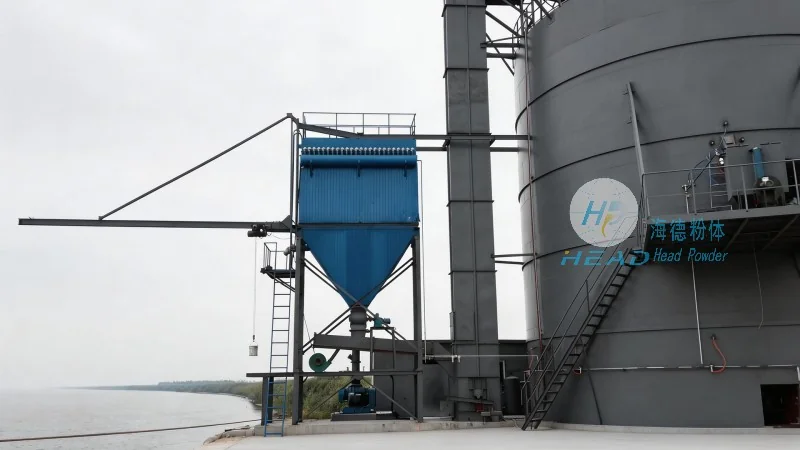
For applications requiring vertical transport of monosodium glutamate powder, bucket elevators are a reliable choice. These systems consist of a vertical or inclined conveyor with buckets attached to a chain or belt. The buckets scoop up the powder at the bottom and release it at the top, allowing for efficient vertical movement. Bucket elevators are ideal for transporting MSG powder from lower to higher levels in a facility, such as from a storage silo to a processing line. They are known for their high capacity and ability to handle a wide range of powder characteristics, including fine or cohesive materials. However, they may be more expensive to install and require regular maintenance to ensure smooth operation and prevent bucket wear.
Choosing the Right Conveying Method for Monosodium Glutamate Powder
When selecting a conveying method for monosodium glutamate powder, several factors should be considered, including the distance of transport, the volume of material, the required speed, and the need for product protection. Screw conveyors are a good choice for short distances and moderate volumes, while pneumatic conveying is ideal for long-distance and high-volume transport. Belt conveyors are suitable for bulk handling and horizontal transport, and bucket elevators are best for vertical movement. HeadPowder, with its expertise in material handling solutions, can provide customized conveying systems tailored to the specific requirements of each client. By understanding the advantages and limitations of each method, businesses can optimize their operations and ensure the efficient and safe transport of monosodium glutamate powder.