

Principle of Pile Material Pneumatic Conveying Equipment
HeadPowder, a leading enterprise in the field of material handling technology, specializes in the design, manufacturing, and application of pneumatic conveying systems tailored for battery anode materials. The core of these systems lies in the principle of pneumatic conveying, which efficiently transports bulk materials like graphite, silicon carbide, and other anode powders through a pressurized or vacuum air stream. This article delves into the fundamental principles, operational mechanisms, and key components of such equipment, providing a comprehensive understanding of how they function to meet the demands of modern battery production.
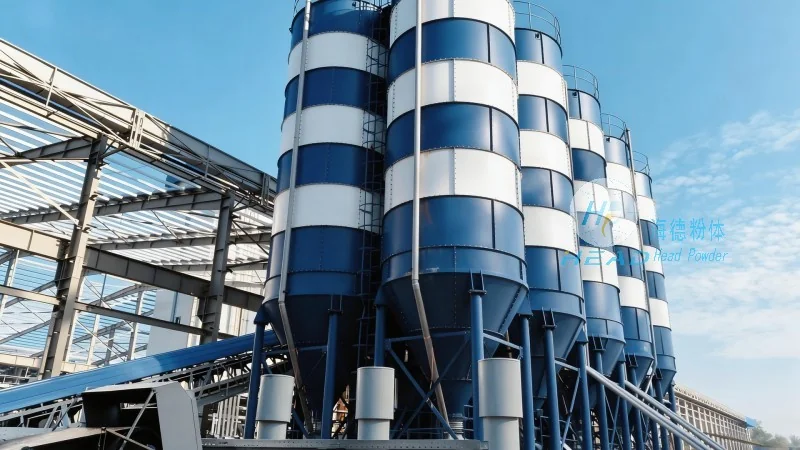
Key Components and Their Functions
The pneumatic conveying equipment for anode materials typically consists of several critical components that work in tandem to ensure efficient material transport. The primary components include the material hopper, feeder, air compressor or vacuum pump, conveying pipeline, and discharge unit. The material hopper serves as the storage vessel, holding the anode powder and providing a controlled feed to the system. The feeder, often a rotary valve or screw feeder, regulates the flow rate of the material into the pipeline, preventing blockages and maintaining consistent conveying performance. The air compressor or vacuum pump generates the necessary pressure or vacuum to move the material through the pipeline. The conveying pipeline, usually made of stainless steel or other corrosion-resistant materials, transports the material and air mixture. Finally, the discharge unit, such as a rotary valve or cyclone separator, collects the material at the destination point and separates it from the air stream.
Principle of Operation
The operation of the pneumatic conveying system is based on the interaction between the material particles and the air stream. In a pressurized system, the air compressor increases the pressure of the air, which is then introduced into the pipeline. As the air flows through the pipeline, it carries the anode powder particles along with it. The velocity of the air must be sufficient to overcome the gravitational force acting on the particles and to maintain their suspension in the air stream. In a vacuum system, the vacuum pump creates a low-pressure environment at the discharge end, drawing the material and air mixture from the hopper through the pipeline to the collection point. The key to efficient operation is maintaining the correct air velocity and pressure to ensure that the particles remain suspended and do not settle or cause blockages.

Advantages of Pneumatic Conveying for Anode Materials
Compared to traditional mechanical conveying methods, pneumatic conveying offers several advantages for handling anode materials. Firstly, it provides a dust-free and enclosed environment, which is crucial for maintaining material purity and preventing contamination in battery production. Secondly, it allows for the transportation of materials over long distances without the need for multiple transfer points, reducing the risk of material loss or degradation. Thirdly, the system can handle a wide range of particle sizes and shapes, making it versatile for different anode material compositions. Additionally, pneumatic conveying systems are relatively easy to install and maintain, with minimal moving parts compared to mechanical systems, leading to lower operational costs and higher reliability.

Application in Battery Production
In the context of battery manufacturing, the pneumatic conveying equipment plays a vital role in the supply chain of anode materials. The anode materials, such as graphite and silicon-based powders, are typically produced in bulk and need to be transported from the production facility to the battery cell assembly line. The pneumatic conveying system ensures that these materials are delivered in a controlled manner, maintaining their quality and preventing any damage during transit. This is particularly important for high-purity anode materials, as even minor contamination can significantly impact the performance and lifespan of the batteries. The efficiency and reliability of the pneumatic conveying system directly contribute to the overall productivity and quality of the battery production process.
Conclusion
HeadPowder Engineering Co., Ltd., based in Shandong, China, is a trusted provider of pneumatic conveying equipment for anode materials. By understanding the fundamental principles and operational mechanisms of these systems, manufacturers can optimize their material handling processes, enhance product quality, and improve overall operational efficiency. The company's expertise in designing and implementing customized pneumatic conveying solutions ensures that clients receive systems tailored to their specific production needs, supporting the advancement of battery technology and the growing demand for high-performance energy storage solutions.