

What Methods Can Be Used for Polyacrylamide Transport?
When it comes to the transport of polyacrylamide, a range of methods and systems are employed to ensure efficient and safe handling. Polyacrylamide, commonly used in water treatment and industrial processes, requires specialized approaches due to its properties as a high-viscosity polymer. Understanding the appropriate transport methods is crucial for maintaining product integrity and operational efficiency.

Overview of Polyacrylamide Transport Systems
Polyacrylamide transport often involves systems designed to handle the polymer's thick, gel-like consistency. These systems typically include components such as storage tanks, pumps, and delivery lines, all tailored to minimize shear and maintain the polymer's molecular structure. The choice of transport method depends on factors like the application, scale of operation, and the specific properties of the polyacrylamide being used.
Common Transport Methods for Polyacrylamide
Several methods are commonly utilized for polyacrylamide transport, each with its own advantages and considerations. One primary method is the use of specialized pumps, such as progressive cavity pumps or peristaltic pumps, which are effective at handling high-viscosity fluids without causing excessive shear. These pumps can maintain the polymer's integrity while ensuring smooth flow through pipelines. Progressive cavity pumps, for instance, use a rotating helix to move the fluid, providing a consistent and low-shear environment. Peristaltic pumps, on the other hand, use a flexible tube that is compressed by rollers, allowing for precise control over flow rate and pressure.

Another approach involves the use of gravity-fed systems or pressure tanks, which are suitable for smaller-scale applications or when the polymer is stored in a location close to the point of use. This method reduces the need for active pumping and can be more energy-efficient in certain scenarios. However, it may not be suitable for long-distance transport or when the polymer needs to be delivered to multiple locations. In such cases, pumping systems are essential to maintain the required pressure and flow rate.
Handling and Mixing Considerations
During transport, it is essential to consider the mixing and dilution processes, as polyacrylamide is often used in solution form. Proper mixing ensures that the polymer is evenly distributed and achieves the desired viscosity for the application. Mixing equipment, such as high-shear mixers or static mixers, may be integrated into the transport system to achieve optimal results. The concentration of the polyacrylamide solution is also a critical factor, as it directly impacts the effectiveness of the treatment process. For example, a higher concentration may be used for industrial applications requiring stronger coagulation, while a lower concentration is suitable for municipal water treatment.

Storage and Delivery Systems
Effective polyacrylamide transport begins with appropriate storage. Storage tanks are typically made of materials resistant to the polymer, such as stainless steel or polyethylene, to prevent degradation or contamination. These tanks are equipped with agitators to maintain the polymer in a uniform state and prevent settling. The storage system is often connected to a pumping station that regulates the flow of the polymer to the treatment site or processing plant. Companies like Shandong HeadPowder Engineering Co., Ltd. specialize in designing and implementing such storage and delivery systems, ensuring that the polyacrylamide is handled with precision and care.
Delivery systems may include pipelines, hoses, or flexible tubing, depending on the distance and environment. For long-distance transport, pipelines are commonly used, while hoses may be employed for shorter distances or in mobile applications. The selection of pipeline materials is critical, as they must withstand the polymer's corrosive properties and maintain structural integrity over time. Stainless steel or PVC-coated pipes are often preferred for their durability and resistance to chemical attack.
Ensuring Product Integrity
Preserving the quality of polyacrylamide during transport is paramount. Factors such as temperature control, exposure to light, and the absence of contaminants are essential to maintain the polymer's effectiveness. Temperature fluctuations can affect the viscosity and molecular weight of the polymer, potentially reducing its performance. Therefore, transport systems often include temperature regulation mechanisms to keep the polymer within its optimal operating range. For instance, insulated tanks and heating elements may be used to maintain a consistent temperature, especially in colder climates.
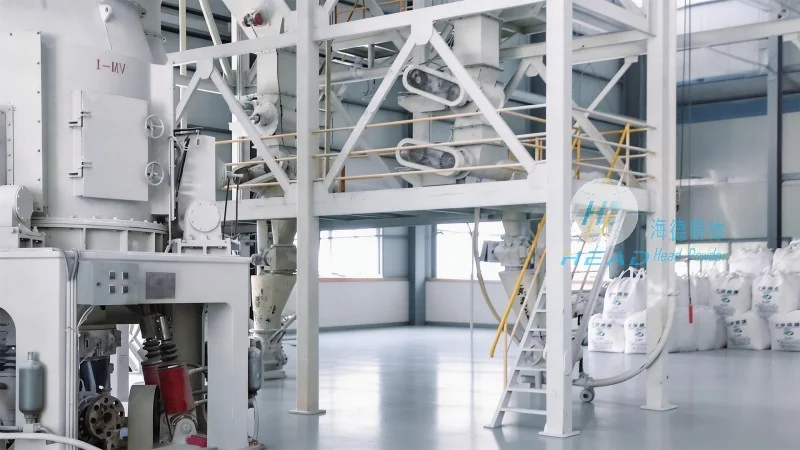
Additionally, the use of clean and compatible materials for all components of the transport system is crucial. Contamination from other substances can alter the properties of the polyacrylamide, leading to inefficiencies in water treatment or industrial processes. Regular maintenance and inspection of the transport equipment are necessary to ensure that all parts remain in good condition and do not introduce any unwanted substances. This includes checking for leaks, corrosion, or wear and tear on pumps and pipelines.
Conclusion
In summary, the transport of polyacrylamide requires careful consideration of the polymer's properties and the specific requirements of the application. By employing appropriate transport methods, such as specialized pumps, storage systems, and delivery pipelines, the integrity and effectiveness of the polyacrylamide can be maintained. The expertise of companies like Shandong HeadPowder Engineering Co., Ltd. plays a vital role in designing and implementing these transport systems, ensuring reliable and efficient polyacrylamide delivery for various industrial and environmental applications. With proper handling and transport, polyacrylamide can continue to serve as an effective solution in water treatment and other industrial processes.