

Components of Dry Sand Pneumatic Conveying
When discussing dry sand pneumatic conveying systems, it's essential to understand the core components that enable efficient material handling. These systems are engineered to transport dry sand and similar granular materials through a network of pipes using air pressure or vacuum. The key components of such a system typically include several critical elements that work in concert to ensure reliable operation.
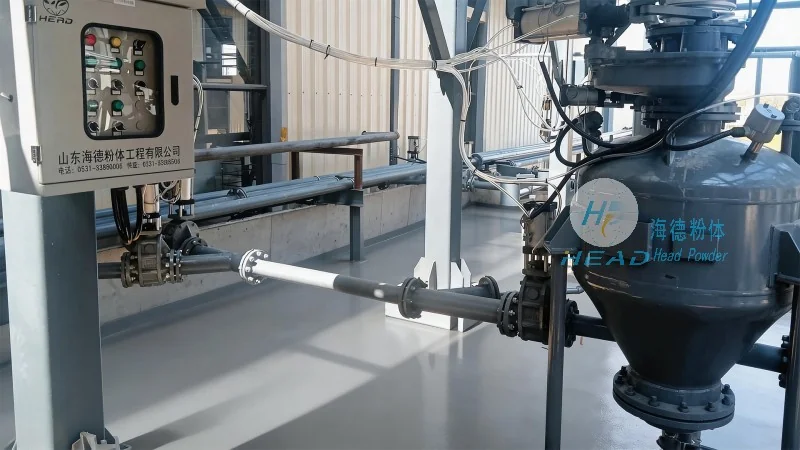
Core Components of Dry Sand Pneumatic Conveying Systems
The primary components of a dry sand pneumatic conveying system are designed to handle the material's flow, control air pressure, and manage the overall system operation. These components are crucial for maintaining the system's efficiency and safety. The main elements generally consist of a material feed hopper, an air supply unit, a conveying line, and a receiving hopper. Each component plays a vital role in the overall process.
Material Feed Hopper
The material feed hopper is the initial component where dry sand is loaded. It is designed to hold the bulk material and provide a controlled feed into the system. The hopper often includes a valve or gate mechanism to regulate the flow of sand into the conveying line. This ensures a consistent and steady supply of material, preventing overloading or underloading of the system. The design of the hopper may vary depending on the specific application and the volume of sand being handled.

Air Supply Unit
The air supply unit is responsible for generating the necessary air pressure or vacuum to move the dry sand through the conveying line. This component typically includes a blower or a vacuum pump, depending on the system's configuration. The air supply unit is crucial as it provides the force needed to transport the material. It may also include filters and regulators to ensure the air quality and pressure are appropriate for the material being conveyed. Proper air supply management is essential to maintain the system's performance and prevent issues like clogging or reduced efficiency.

Conveying Line
The conveying line is the main pathway through which the dry sand travels. It is usually made of metal pipes, often stainless steel, to withstand the abrasive nature of the sand and the air pressure. The line may include bends, elbows, and other fittings to direct the material to the desired location. The design of the conveying line is critical to minimize pressure drop and ensure smooth material flow. Proper sizing and layout of the line are essential to maintain the system's efficiency and prevent material buildup or blockages.
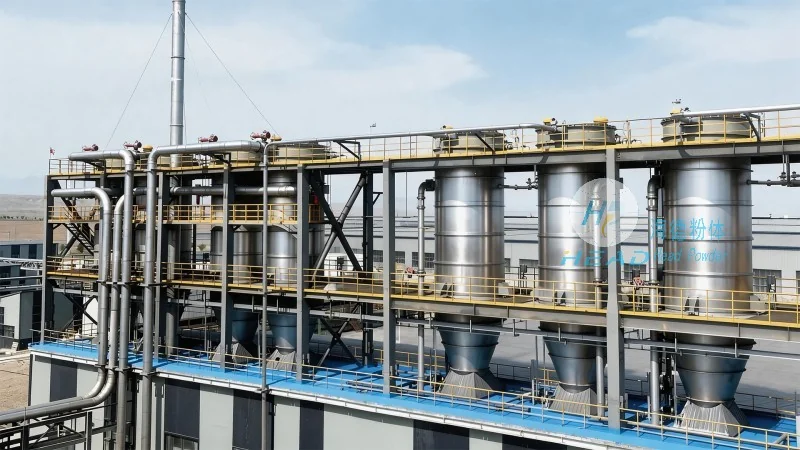
Receiving Hopper
The receiving hopper is the final component where the dry sand is deposited after being conveyed. It collects the material and may include a discharge valve or outlet to allow the sand to be removed for further processing or storage. The hopper is designed to handle the incoming material and ensure a controlled discharge. It may also include level indicators or sensors to monitor the material level and trigger alerts if the hopper is full or empty. The receiving hopper is an important part of the system as it ensures the safe and efficient collection of the conveyed material.
Additional Components and Considerations
Beyond the core components, dry sand pneumatic conveying systems may include additional elements to enhance performance and safety. These can include filters to remove dust from the air, pressure relief valves to prevent overpressure, and monitoring systems to track the system's operation. The choice of components and their configuration depends on the specific requirements of the application, such as the type of sand, the distance to be conveyed, and the desired throughput. Proper maintenance and regular inspection of these components are essential to ensure the system operates efficiently and safely over time.