

Main Air-Pneumatic Conveying Structures for Positive and Negative Electrode Materials
When it comes to the efficient handling and transportation of positive and negative electrode materials in lithium-ion battery production, air-pneumatic conveying systems have become a cornerstone technology. These systems offer a reliable and flexible solution for moving bulk materials between processing stages, ensuring consistent quality and minimizing downtime. The core structures of such systems are designed to optimize material flow, maintain particle integrity, and adapt to varying production demands.
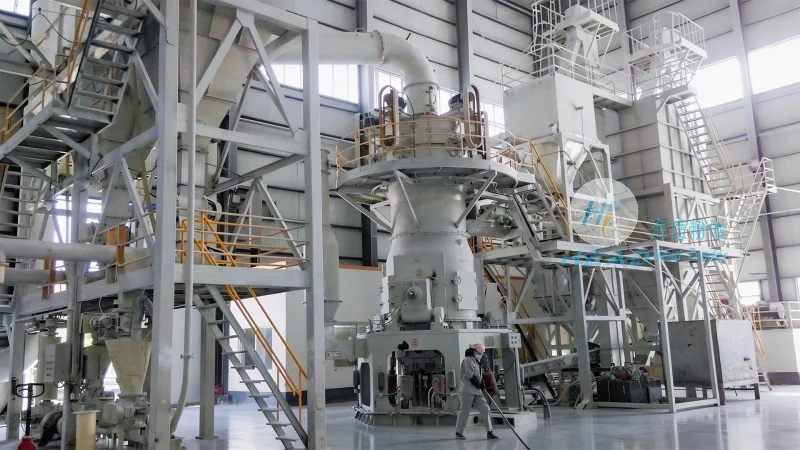
Key Components of Air-Pneumatic Conveying Systems
At the heart of any air-pneumatic conveying system are several critical components that work in tandem to achieve seamless material transport. The primary elements include the material feed hopper, which holds the bulk electrode material and regulates the flow into the system. This is followed by the conveying line, typically made of stainless steel or other corrosion-resistant materials, which houses the material as it is propelled by compressed air. The air source, usually an industrial compressor, provides the necessary pressure to move the material through the system. Additionally, control valves and regulators are essential for managing air pressure and flow rates, ensuring precise control over the conveying process.

Types of Air-Pneumatic Conveying Structures
There are several common air-pneumatic conveying structures used in the battery materials industry, each with its own advantages and applications. The most widely used is the positive displacement blower system, which uses a rotating impeller to push material through the conveying line. This method is highly effective for handling fine powders and provides consistent flow rates. Another common structure is the venturi system, which uses a high-velocity air stream to draw material into the conveying line. This system is particularly useful for transporting materials over longer distances or when dealing with larger particle sizes. Additionally, the pulse-jet system employs periodic bursts of compressed air to maintain material suspension and prevent clogging, making it ideal for handling cohesive or sticky materials.

Advantages of Air-Pneumatic Conveying for Electrode Materials
Implementing air-pneumatic conveying structures for positive and negative electrode materials offers numerous benefits that enhance overall production efficiency. One of the key advantages is the ability to maintain material integrity during transport. Unlike mechanical systems that may cause particle attrition or agglomeration, air-pneumatic systems use low-impact air flow to keep particles in a loose, free-flowing state. This is crucial for preserving the electrochemical properties of the materials, which directly impacts battery performance. Another significant benefit is the flexibility of these systems. They can be easily scaled up or down to accommodate changes in production volume, and can be integrated with existing processing lines without major modifications. Furthermore, air-pneumatic conveying is a clean and dust-free method, reducing the risk of contamination and improving workplace safety. The systems also offer energy efficiency compared to traditional bulk handling methods, as they minimize material handling losses and reduce the need for additional equipment like conveyors or elevators.
Customization and Integration by Shandong HeadPowder Engineering Co., Ltd.
Shandong HeadPowder Engineering Co., Ltd., trading as headpowder, specializes in the design, manufacturing, and installation of advanced air-pneumatic conveying systems tailored to the specific needs of battery material manufacturers. With a focus on precision engineering and customer-centric solutions, the company provides customized structures that optimize material flow, minimize downtime, and enhance overall production efficiency. The company’s expertise lies in understanding the unique challenges of handling positive and negative electrode materials, such as their varying particle sizes, moisture content, and chemical properties. By leveraging years of industry experience, headpowder develops systems that are not only efficient but also durable and low-maintenance. The company’s team of engineers works closely with clients to assess their production requirements, recommend the most suitable air-pneumatic structure, and ensure seamless integration with existing facilities. Whether it’s a new plant setup or an upgrade to an existing system, headpowder offers comprehensive solutions that meet the highest standards of quality and performance.

Conclusion: The Role of Air-Pneumatic Conveying in Modern Battery Production
In conclusion, air-pneumatic conveying structures play a vital role in the efficient and reliable production of lithium-ion batteries. By providing a flexible, low-impact, and energy-efficient method of transporting positive and negative electrode materials, these systems contribute significantly to the overall productivity and quality of battery manufacturing. As the battery industry continues to grow and evolve, the demand for advanced material handling solutions will only increase. Companies like Shandong HeadPowder Engineering Co., Ltd. are at the forefront of developing innovative air-pneumatic systems that meet these evolving needs, ensuring that battery manufacturers can maintain their competitive edge in a rapidly changing market.