

[MATCH]Main Structures of Pneumatic Conveying for Foam Plastic
Understanding the core structures of pneumatic conveying systems is essential for optimizing the handling and transportation of foam plastic materials. These systems are designed to efficiently move lightweight, low-density materials like foam plastic through a closed or open pipeline using air or other gases as the conveying medium. The primary structures involved in such systems include various components that work together to ensure smooth and reliable material transport.

Key Components of Pneumatic Conveying Structures
The main structures of pneumatic conveying for foam plastic typically consist of several critical components. These include the material feed hopper, which is responsible for storing and feeding the foam plastic into the system. The hopper is often equipped with a feeder mechanism, such as a rotary valve or a screw feeder, to control the flow rate of the material. This ensures a consistent and controlled supply of foam plastic to the conveying line.
Next, the conveying line itself, which can be either a closed pipeline or an open system, depending on the specific application. Closed systems are commonly used for dusty or fine materials, as they prevent the release of particles into the environment. The pipeline is usually made of materials like stainless steel or plastic, which are resistant to corrosion and wear from the foam plastic particles. The design of the pipeline, including bends and elbows, is crucial for maintaining the flow efficiency and preventing material buildup or blockages.
Another essential component is the air supply system, which provides the necessary pressure and volume of air to move the foam plastic through the pipeline. This system typically includes a blower or a compressor, along with a filter to ensure the air is clean and free from contaminants that could affect the foam plastic quality. The air pressure and flow rate are carefully regulated to match the characteristics of the foam plastic, such as its density and particle size, to achieve optimal conveying performance.
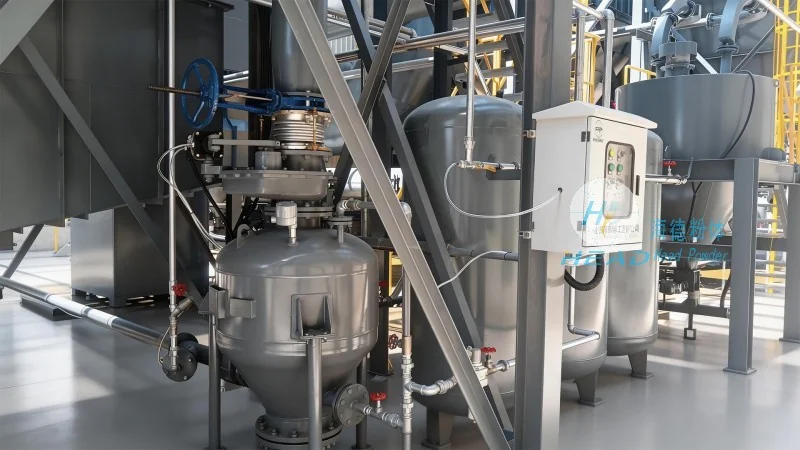
Additionally, the system may include a separation or collection unit at the end of the pipeline. This component is responsible for separating the foam plastic from the conveying air and collecting it in a storage container or processing unit. The separation process can involve cyclones, filters, or other devices that effectively remove the material from the air stream. This step is vital for maintaining the purity of the foam plastic and preventing contamination from the conveying medium.
Specialized Structures for Foam Plastic Handling
For foam plastic materials, specialized structures are often employed to address their unique properties. Foam plastic is characterized by its low density and high air content, which can affect the conveying behavior. To handle these characteristics effectively, systems may incorporate features like air-assisted conveying or vacuum systems. Air-assisted systems use a combination of positive and negative pressure to move the material, while vacuum systems create a suction effect to draw the foam plastic through the pipeline.
Another specialized structure is the use of flexible hoses or pneumatic conveying tubes, which are particularly useful for applications requiring flexibility or the transportation of foam plastic over long distances. These hoses are made of materials that can withstand the pressure and temperature variations associated with foam plastic conveying and are designed to minimize material degradation or loss.
Furthermore, some systems may include pre-treatment or conditioning steps before the foam plastic enters the conveying line. This could involve drying or cooling the material to improve its flow characteristics or reduce moisture content that could affect the conveying efficiency. These pre-treatment processes are essential for ensuring the foam plastic is in the optimal state for transportation and processing.

Company Profile: Shandong HeadPowder Engineering Co., Ltd.
Shandong HeadPowder Engineering Co., Ltd., operating under the brand name headpowder, specializes in the design, manufacturing, and installation of pneumatic conveying systems tailored for foam plastic applications. With a focus on providing customized solutions, the company leverages advanced engineering and manufacturing capabilities to meet the specific needs of clients in various industries.
HeadPowder's expertise lies in understanding the unique challenges associated with handling foam plastic, such as its low density and tendency to cling to surfaces. The company's engineers work closely with clients to develop systems that optimize material flow, minimize energy consumption, and ensure high efficiency and reliability. By incorporating the latest technologies and materials, HeadPowder delivers solutions that enhance the overall performance of foam plastic handling processes.
HeadPowder is committed to quality and innovation, adhering to industry standards and continuously improving its products and services. The company's facilities are located in Shandong, China, where it operates a state-of-the-art manufacturing and research center. This allows for the development of cutting-edge pneumatic conveying structures that meet the evolving demands of the foam plastic industry.