

Classification and Application Analysis of Calcined Ash Pneumatic Conveying Systems
The calcined ash pneumatic conveying system is a crucial technology in the handling and transportation of calcined ash, which is a byproduct from the calcination process of certain industrial materials. This system utilizes air as the conveying medium to transport calcined ash from the source to the destination, offering advantages such as low energy consumption, flexible layout, and reduced environmental impact compared to traditional methods like mechanical conveyors. Understanding the classification and application of these systems is essential for optimizing industrial operations and improving overall efficiency.
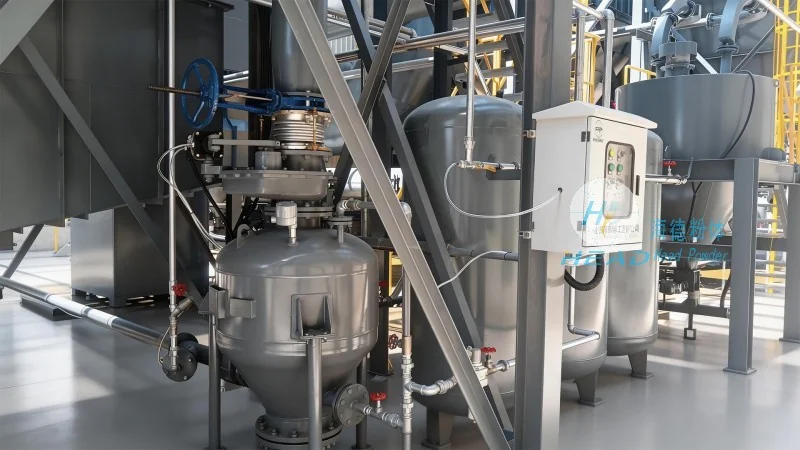
Classification of Calcined Ash Pneumatic Conveying Systems
Calcined ash pneumatic conveying systems can be classified based on several key factors, including the type of conveying medium, the pressure level, and the system layout. The primary classifications are as follows:
1. Positive Pressure Systems: These systems operate by blowing air into the conveying line, creating a positive pressure environment. The air flows through the pipeline, carrying the calcined ash particles. Positive pressure systems are commonly used for short to medium distance conveying and are suitable for handling dry, non-abrasive materials like calcined ash.
2. Negative Pressure (Vacuum) Systems: In contrast, negative pressure systems create a vacuum in the pipeline, drawing the calcined ash particles into the system. This method is often used for longer distances or when the material needs to be transported from multiple sources to a single destination. Negative pressure systems are effective for handling fine particles and can be more energy-efficient for certain applications.

3. Combined Pressure Systems: Some advanced systems combine both positive and negative pressure principles. For instance, a positive pressure system may be used to transport the material from the source to an intermediate point, while a negative pressure system is employed for the final segment of the conveying process. This hybrid approach allows for greater flexibility and can optimize energy usage based on the specific conveying requirements.
Application Analysis of Calcined Ash Pneumatic Conveying Systems
The application of calcined ash pneumatic conveying systems varies across different industrial sectors, primarily due to the diverse characteristics of calcined ash and the specific requirements of each operation. The following are key applications and considerations:
1. Power Plant Ash Handling: In thermal power plants, calcined ash is a significant byproduct from the combustion of coal or other fuels. Pneumatic conveying systems are widely used to transport this ash from the boiler to the storage silos or for further processing. The systems must be designed to handle high volumes of ash and ensure minimal dust emissions, which is critical for environmental compliance. The choice between positive and negative pressure systems often depends on the distance between the boiler and the storage facility, with positive pressure being preferred for shorter distances and negative pressure for longer ones.

2. Industrial Calcination Processes: In industries where calcination is a core step, such as in the production of calcium oxide or other chemical products, the pneumatic conveying system is used to transport the calcined material from the calcination reactor to the next processing stage. These systems need to be robust and capable of handling abrasive materials to prevent wear and tear on the pipeline and components. The classification of the system (e.g., positive or negative pressure) is determined by the distance and the material's properties, ensuring efficient and reliable transport.
3. Environmental and Waste Management: Calcined ash can be used as a raw material in various applications, including cement production, road construction, and soil amendment. Pneumatic conveying systems are employed to transport the ash from storage facilities to processing plants or construction sites. The systems must meet strict environmental standards to minimize dust and noise pollution. The application analysis highlights the importance of selecting the appropriate system type based on the end-use of the calcined ash, as different applications may require different conveying parameters and system configurations.
About Shandong HeadPowder Engineering Co., Ltd.
Shandong HeadPowder Engineering Co., Ltd., operating under the brand name headpowder, is a leading provider of industrial conveying solutions, including calcined ash pneumatic conveying systems. With a focus on innovation and customer satisfaction, the company specializes in designing, manufacturing, and installing customized pneumatic conveying systems tailored to the unique needs of its clients. HeadPowder's systems are engineered to ensure high efficiency, low maintenance, and compliance with industry standards and environmental regulations. The company's headquarters is located in Shandong, China, where it leverages local expertise and resources to deliver top-quality products and services to the global market.