

What is Polypropylene Resin Powder Pneumatic Conveying, Classification and Applications of Pneumatic
Welcome to Shandong HeadPowder Engineering Co., Ltd., a leading provider of advanced material handling solutions. Our company specializes in the design, manufacturing, and implementation of efficient pneumatic conveying systems, particularly for polypropylene resin powders. This article explores the fundamentals of polypropylene resin powder pneumatic conveying, the various classifications of pneumatic conveying systems, and their practical applications in industrial settings.

Polypropylene Resin Powder Pneumatic Conveying: An Overview
Polypropylene (PP) resin powder is a widely used thermoplastic polymer in the manufacturing of various products, including packaging, automotive parts, and textiles. Pneumatic conveying is a method of transporting bulk materials like polypropylene resin powder through a pipeline using compressed air or other gas. This technique offers several advantages over traditional mechanical conveying, such as reduced equipment wear, lower maintenance costs, and the ability to handle fine powders without clogging. The process involves feeding the polypropylene resin powder into a hopper, which then transfers the material into a pipeline where it is carried by the airflow. The system typically includes components like a blower, filter, and control valves to ensure efficient and safe operation.
Classification of Pneumatic Conveying Systems
Pneumatic conveying systems are categorized based on the direction of airflow and the pressure within the system. The two primary types are pressure and vacuum systems. Pressure systems operate by blowing air into the pipeline, creating positive pressure that propels the material forward. These systems are suitable for long-distance and high-volume conveying of polypropylene resin powders. Vacuum systems, on the other hand, use a vacuum pump to create negative pressure, drawing the material into the pipeline. Vacuum systems are ideal for short-distance conveying and handling materials that are sensitive to pressure changes. Additionally, there are hybrid systems that combine elements of both pressure and vacuum to optimize performance for specific applications.
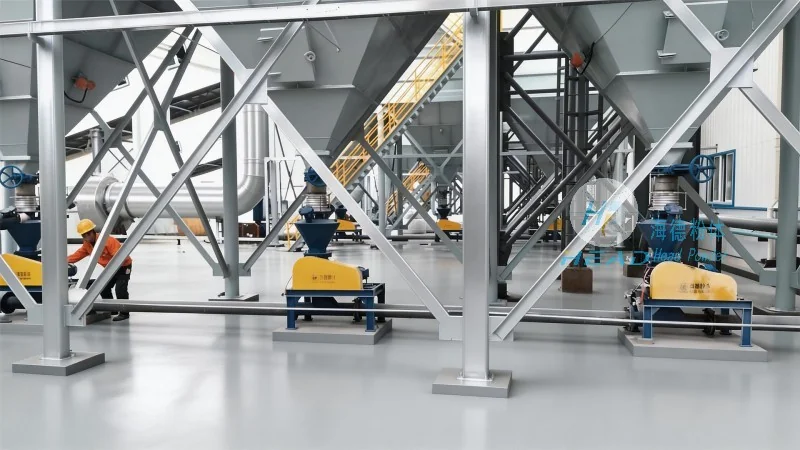
Applications of Pneumatic Conveying in Polypropylene Resin Handling
Pneumatic conveying systems are extensively used in the polypropylene resin industry for several key applications. One common use is in the production of plastic pellets, where the resin powder is conveyed from storage silos to processing equipment. This ensures a continuous and clean supply of material, minimizing downtime and improving production efficiency. Another application is in the manufacturing of composite materials, where polypropylene resin is mixed with other fibers or fillers. The pneumatic conveying system allows for precise blending of these components, ensuring uniform consistency in the final product. Furthermore, in recycling operations, pneumatic conveying is employed to transport recycled polypropylene resin from collection points to reprocessing facilities. This method helps maintain the quality of the recycled material and reduces contamination during transport.

Key Considerations for Implementing Pneumatic Conveying Systems
When implementing a pneumatic conveying system for polypropylene resin powders, several factors must be considered to ensure optimal performance. The first is the particle size and moisture content of the resin powder, as these characteristics affect the system's efficiency and capacity. Larger particles may require higher air velocities to prevent clogging, while moisture can lead to material degradation or blockages. The system's design, including the pipeline diameter and length, also plays a crucial role in determining the required air pressure and flow rate. Additionally, the choice of blower and filter system is critical, as they must be capable of handling the specific properties of the polypropylene resin powder without causing excessive wear or maintenance issues. Proper maintenance and regular cleaning of the system components are essential to prevent dust accumulation and ensure long-term reliability.

Advantages of Pneumatic Conveying for Polypropylene Resin Powder Handling
Compared to other material handling methods, pneumatic conveying offers several advantages for polypropylene resin powder. One significant benefit is the ability to transport materials in a closed system, which helps maintain product purity and prevents contamination from external sources. This is particularly important for polypropylene resin, which is often used in food packaging or medical applications where cleanliness is paramount. Another advantage is the reduced risk of dust exposure, as the system operates under controlled conditions, minimizing the release of fine particles into the environment. This not only improves workplace safety but also complies with environmental regulations. Furthermore, pneumatic conveying systems can be easily integrated with other production processes, such as mixing and extrusion, allowing for seamless material flow and improved overall efficiency.
Conclusion
Pneumatic conveying is a highly effective method for transporting polypropylene resin powders, offering numerous benefits in terms of efficiency, safety, and product quality. By understanding the different classifications of pneumatic conveying systems and their specific applications, industries can optimize their material handling processes. Shandong HeadPowder Engineering Co., Ltd. specializes in providing tailored pneumatic conveying solutions that meet the unique needs of polypropylene resin manufacturers, ensuring reliable and efficient material transport. Whether for production, recycling, or composite manufacturing, pneumatic conveying remains a cornerstone technology in the handling of polypropylene resin powders.