

What is Sand and Gravel Pneumatic Conveying, Classification and Applications of Pneumatic Conveying
For industries dealing with bulk materials like sand, gravel, and other granular substances, efficient material handling is crucial for operational efficiency and cost-effectiveness. Pneumatic conveying systems offer a solution by transporting these materials through an enclosed pipeline using air pressure. This article explores the concept of sand and gravel pneumatic conveying, its classification, and practical applications, with insights from Shandong HeadPowder Engineering Co., Ltd., a leading provider in the field.

Understanding Sand and Gravel Pneumatic Conveying
Pneumatic conveying, or air conveying, is a method of transporting dry bulk materials by suspending them in a stream of air and moving them through a pipeline. In the context of sand and gravel, this technology is particularly valuable due to the abrasive nature of these materials and the need for dust-free, controlled transport. The process involves creating a pressure differential within the system, either by using a positive pressure (blower) or negative pressure (vacuum), to move the material from the source to the destination.
Key Components of Pneumatic Conveying Systems
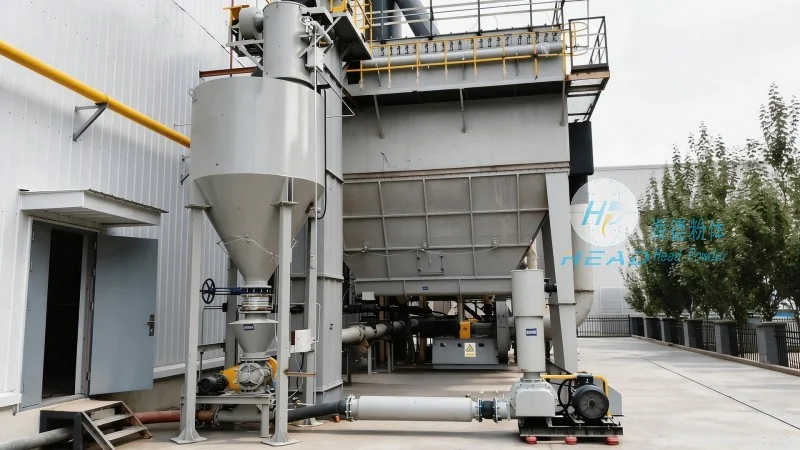
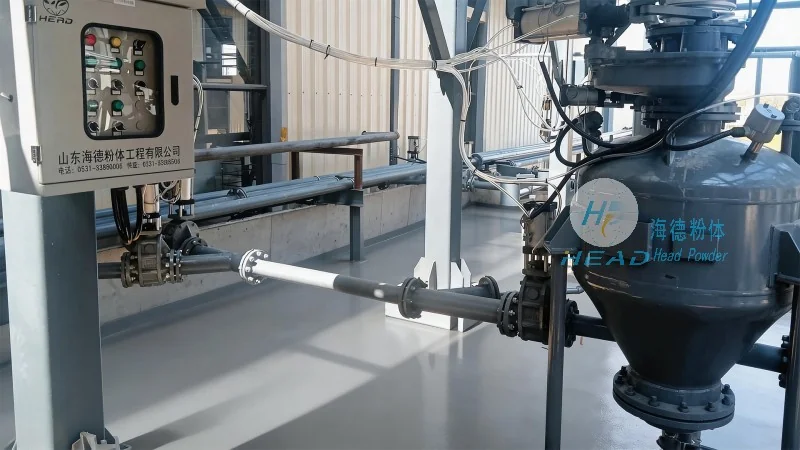
Effective sand and gravel pneumatic conveying systems consist of several critical components. These include the material feed hopper, which holds the bulk material and feeds it into the system; the conveyor line, typically made of durable materials like stainless steel or high-density polyethylene to withstand abrasion; the air mover, such as a rotary lobe blower or centrifugal fan, which generates the necessary air flow; and the control valves and filters to regulate air pressure and remove contaminants. Each component plays a vital role in ensuring the system operates smoothly and efficiently.
Classification of Pneumatic Conveying Systems
Pneumatic conveying systems are broadly classified into two main categories: positive pressure systems and negative pressure systems. Positive pressure systems use a blower to force air and material through the pipeline, making them suitable for long-distance and high-capacity transport. Negative pressure systems, on the other hand, use a vacuum to draw material into the system, which is ideal for applications requiring dust containment and low noise levels. Within these categories, subtypes include dilute phase and dense phase conveying. Dilute phase systems move material in a suspended state, while dense phase systems transport material in a more compacted form, often used for sensitive or high-value materials.
Applications of Pneumatic Conveying in Sand and Gravel Handling
The versatility of pneumatic conveying makes it applicable in various industries handling sand and gravel. In construction, these systems are used to transport aggregates from stockpiles to batching plants, ensuring a continuous supply of materials for concrete production. In mining operations, pneumatic conveying is employed to move crushed rock and ore from processing plants to storage or further processing facilities. Additionally, in the manufacturing of concrete products, such as precast elements, pneumatic conveying helps maintain a consistent material flow, reducing downtime and improving production efficiency. The ability to handle abrasive materials without wear and tear on equipment makes this technology a preferred choice for many applications.
Advantages of Pneumatic Conveying for Sand and Gravel
Compared to traditional methods like belt conveyors or bucket elevators, pneumatic conveying offers several advantages. One of the primary benefits is the ability to transport materials in a dust-free environment, which enhances workplace safety and reduces the risk of respiratory issues for workers. Additionally, these systems are more compact and can be installed in tight spaces, making them suitable for facilities with limited floor area. The flexibility of pneumatic conveying also allows for easy integration with existing processes, and the ability to control material flow rates provides better process control. Furthermore, the lack of moving parts in the conveyor line reduces maintenance requirements and extends the lifespan of the equipment.
Considerations for Implementing Pneumatic Conveying Systems
While pneumatic conveying offers numerous benefits, proper planning and design are essential for successful implementation. Factors such as material characteristics, including particle size, density, and abrasiveness, must be considered to select the appropriate system type and components. The distance and elevation changes between the source and destination also impact the system design, as they affect the required air pressure and flow rates. Additionally, the system's capacity and reliability must align with the operational needs of the facility. Consulting with experts, like Shandong HeadPowder Engineering Co., Ltd., can help ensure that the chosen system meets all requirements and operates efficiently over the long term.