

The Role of Pneumatic Conveying in Clay Ash Transportation
Clay ash, a byproduct commonly generated in industrial processes such as cement production and power generation, requires efficient and reliable transportation methods to ensure smooth operational workflows. Among the various options available, pneumatic conveying stands out as a highly effective solution for handling clay ash, offering advantages in terms of safety, efficiency, and environmental compliance. This article explores the critical role of pneumatic conveying systems in the transportation of clay ash, highlighting key considerations and benefits for industrial applications.

Pneumatic Conveying Systems: An Overview
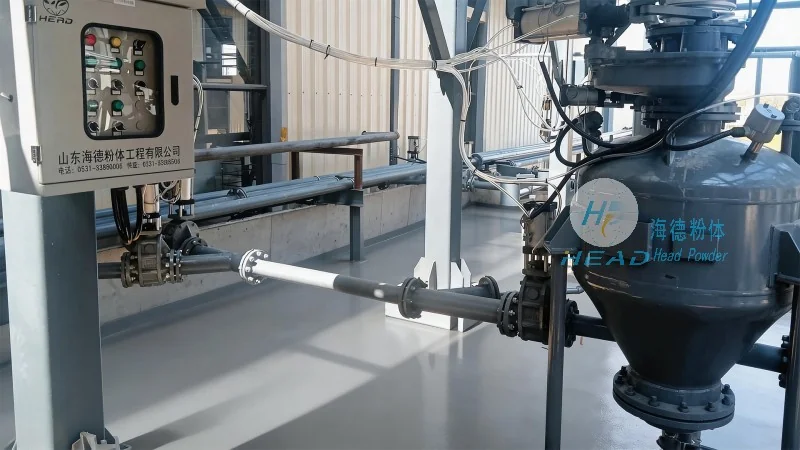
Pneumatic conveying, also known as air conveying, is a technology that uses pressurized air or vacuum to transport bulk materials like clay ash through a pipeline system. Unlike traditional mechanical methods such as belt conveyors or screw conveyors, pneumatic systems eliminate the need for physical contact between the material and the conveying equipment, reducing wear and tear and minimizing the risk of contamination. The core components of a pneumatic conveying system typically include a hopper for material storage, a conveyor line (often made of stainless steel or other corrosion-resistant materials), and a control unit for regulating air pressure and flow. These systems can be designed as either positive pressure (where air is blown into the system to push the material forward) or negative pressure (where air is drawn out to pull the material through the line), depending on the specific requirements of the application.
Key Advantages of Pneumatic Conveying for Clay Ash
When it comes to transporting clay ash, pneumatic conveying offers several distinct advantages that make it a preferred choice for many industries. First, it provides a closed system, which helps to contain dust and prevent environmental pollution. This is particularly important for clay ash, which can be fine and potentially hazardous if released into the air. Second, pneumatic systems are highly flexible, allowing for changes in the layout of the conveying line without major modifications to the infrastructure. This adaptability is crucial in industrial settings where space is limited or where production processes may change over time. Third, these systems can handle a wide range of material characteristics, including varying particle sizes and moisture content, without compromising performance. Additionally, pneumatic conveying is generally more energy-efficient compared to other bulk material handling methods, as it minimizes the need for moving parts and reduces the risk of material degradation during transport.
Applications in Clay Ash Transportation
The application of pneumatic conveying in clay ash transportation is widespread across various industrial sectors. In cement plants, for example, clay ash is often used as a raw material in the production of clinker. Pneumatic systems enable the efficient transfer of clay ash from storage silos to the kiln, ensuring a consistent supply of raw materials and maintaining the quality of the final product. Similarly, in power generation facilities, clay ash is generated as a byproduct of coal combustion and needs to be transported to disposal sites or recycling facilities. Pneumatic conveying systems are ideal for this purpose, as they can handle large volumes of material over long distances while maintaining a high level of control and safety. Other applications include the transport of clay ash for use in construction materials, such as bricks or tiles, where the material quality is critical to the final product.

Considerations for Implementing Pneumatic Conveying Systems
While pneumatic conveying offers numerous benefits, there are several factors to consider when implementing such a system for clay ash transportation. First, the design of the system must be tailored to the specific properties of the clay ash, including its particle size distribution, moisture content, and flowability. These characteristics can significantly impact the system's performance and efficiency, and therefore require careful analysis during the design phase. Second, the selection of materials for the conveyor line is critical to prevent corrosion and ensure durability. Clay ash can be abrasive and may contain acidic components, which can damage standard steel pipes over time. Using corrosion-resistant materials like stainless steel or special coatings is essential to extend the system's lifespan and reduce maintenance costs. Third, proper maintenance and monitoring are necessary to ensure the system operates at optimal levels. Regular cleaning of the hopper and conveyor line, as well as monitoring of air pressure and flow rates, can help prevent blockages and other issues that may affect the system's performance. Additionally, the integration of the pneumatic system with other industrial processes, such as material storage and processing, must be carefully planned to ensure seamless operation and minimal downtime.

Case Study: Successful Implementation by Shandong HeadPowder Engineering Co., Ltd.
Shandong HeadPowder Engineering Co., Ltd., a leading provider of bulk material handling solutions, has successfully implemented pneumatic conveying systems for clay ash transportation in various industrial projects. One notable case involved a cement plant in Shandong, China, where the company designed and installed a positive pressure pneumatic system to transport clay ash from storage silos to the kiln. The system was designed to handle a daily throughput of 200 tons of clay ash, with a conveying distance of 500 meters. The implementation resulted in a significant improvement in operational efficiency, as the system reduced the time required for material transport by 30% compared to traditional mechanical methods. Additionally, the closed system design helped to minimize dust emissions, contributing to better environmental compliance and improved workplace safety. The success of this project highlights the expertise and capabilities of Shandong HeadPowder Engineering Co., Ltd. in providing customized pneumatic conveying solutions tailored to the specific needs of industrial clients.
Conclusion
In conclusion, pneumatic conveying plays a vital role in the efficient and safe transportation of clay ash in industrial applications. The technology offers numerous advantages, including closed system operation, flexibility, and energy efficiency, making it an ideal choice for handling this type of material. When properly designed and implemented, pneumatic conveying systems can significantly enhance operational performance, reduce costs, and improve environmental compliance. For industries dealing with clay ash, partnering with a reputable provider like Shandong HeadPowder Engineering Co., Ltd. can ensure the successful integration of pneumatic conveying systems that meet their specific requirements and contribute to overall operational success.