

Electrode Dust Removal Technology Parameters and Conveying System Process
Electrode dust, also known as calcium carbide dust, is a byproduct generated during the production and processing of calcium carbide. This material poses challenges in terms of dust control and material handling due to its fine particle size and potential reactivity. The technology for handling and conveying electrode dust requires specialized equipment and processes to ensure safety, efficiency, and compliance with environmental regulations.

Technical Parameters of Electrode Dust Removal Systems
The technical parameters of electrode dust removal systems are critical for optimizing performance and ensuring effective dust capture. Key parameters include dust particle size distribution, moisture content, and bulk density, which influence the selection of filtration equipment and material handling methods. For instance, the average particle size of electrode dust typically ranges from 10 to 200 microns, with a high proportion of sub-micron particles that require advanced filtration technologies such as bag filters or cartridge filters. Moisture content is another critical factor, as high humidity can lead to agglomeration and blockages in conveying systems. The bulk density of electrode dust is usually around 0.8 to 1.2 g/cm³, affecting the design of storage silos and pneumatic conveying pipelines. These parameters are carefully considered by Shandong HeadPowder Engineering Co., Ltd. to develop customized solutions that meet specific operational requirements.
Conveying System Design for Electrode Dust
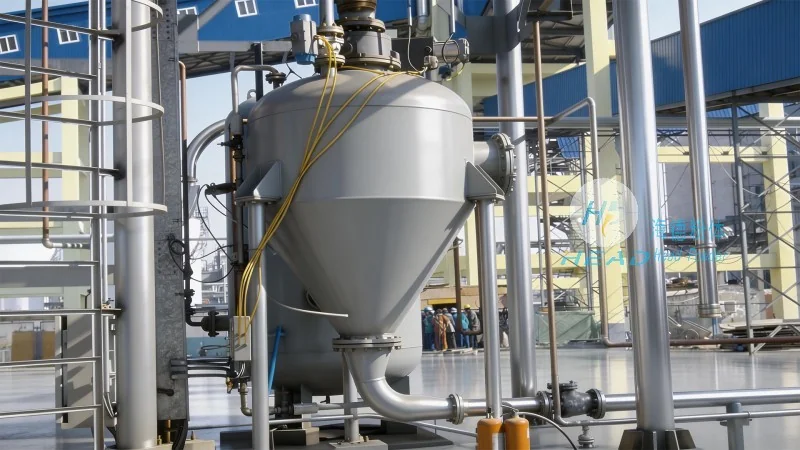
The conveying system for electrode dust is designed to transport the captured material from the dust removal equipment to storage or processing facilities. Common conveying methods include pneumatic conveying (both positive and negative pressure systems) and mechanical conveying (such as screw conveyors or belt conveyors). Pneumatic conveying is often preferred for its ability to handle fine powders over long distances with minimal maintenance. The design of the conveying pipeline involves considerations of material flow rate, pressure drop, and system efficiency. For example, a typical positive pressure pneumatic conveying system for electrode dust may operate at a pressure of 0.5 to 1.0 bar, with a flow rate of 0.5 to 2.0 m³/h depending on the application. The pipeline diameter is selected based on the required flow rate and particle size to prevent blockages and ensure smooth material transport. Shandong HeadPowder Engineering Co., Ltd. specializes in designing and implementing these systems, ensuring that they are robust, energy-efficient, and compliant with industry standards.

Integration of Dust Removal and Conveying Systems
The integration of dust removal and conveying systems is essential for a seamless material handling process. The dust removal equipment, such as bag houses or electrostatic precipitators, is typically connected directly to the conveying system to minimize material loss and contamination. The design of the integration point involves proper sealing and transition to ensure that dust is captured efficiently and conveyed without re-entrainment. For instance, a bag filter system may be connected to a pneumatic conveying line through a dust hopper equipped with a rotary valve for controlled material discharge. This setup allows for continuous operation, where captured dust is automatically transferred to the conveying system for transport to storage silos or further processing. The integration also considers the need for dust suppression and explosion protection measures, as electrode dust can be a fire or explosion hazard under certain conditions. Shandong HeadPowder Engineering Co., Ltd. provides comprehensive solutions that address these integration challenges, ensuring safe and reliable operation.
Material Handling and Storage Solutions
After conveying, electrode dust is typically stored in silos or hoppers before further use or disposal. The storage systems are designed to maintain the material's quality and prevent degradation. Key considerations include silo design, aeration systems, and level measurement. Silos are often constructed from stainless steel or other corrosion-resistant materials to prevent contamination and ensure durability. Aeration systems are used to maintain the material's flowability and prevent caking, which can occur due to moisture or temperature changes. Level measurement devices, such as radar or ultrasonic sensors, are installed to monitor the material level and trigger conveying operations when the silo is nearly full. Shandong HeadPowder Engineering Co., Ltd. offers customized storage solutions that are tailored to the specific characteristics of electrode dust, ensuring efficient material management and minimizing downtime.
Environmental and Safety Considerations
Handling electrode dust requires strict adherence to environmental and safety regulations due to its potential health and environmental impacts. The dust is known to be a respiratory irritant and can cause long-term health issues if inhaled in high concentrations. Therefore, dust removal systems must be equipped with high-efficiency filtration and proper ventilation to ensure worker safety. Additionally, the material may be flammable or explosive under certain conditions, necessitating the implementation of explosion protection measures such as spark arrestors and pressure relief devices. The conveying system must also be designed to prevent dust leaks and re-entrainment, which can lead to environmental contamination. Shandong HeadPowder Engineering Co., Ltd. ensures that all systems comply with relevant environmental and safety standards, providing solutions that protect both personnel and the environment.