

Application of Pneumatic Conveying in Bulk Material Transport of Gravity Dust Removal Ash
For industries dealing with bulk materials, especially those requiring efficient transport of gravity dust removal ash, the choice of conveying system is critical. Pneumatic conveying has emerged as a versatile and effective solution, offering advantages such as flexibility, scalability, and the ability to handle a wide range of material properties. This article explores the application of pneumatic conveying in the context of bulk material transport for gravity dust removal ash, highlighting the benefits and practical considerations for such operations.

Understanding Gravity Dust Removal and Its Material Characteristics
Gravity dust removal systems are integral to many industrial processes, particularly in power generation, cement production, and other sectors where particulate matter needs to be separated from gas streams. The resulting ash, often referred to as gravity dust or bottom ash, presents unique challenges for transport due to its density, moisture content, and abrasive nature. Traditional methods like belt conveyors or screw conveyors may struggle with these characteristics, leading to increased maintenance costs and operational inefficiencies. Pneumatic conveying, by contrast, provides a non-contact method of transport that minimizes material degradation and equipment wear.
Pneumatic Conveying Systems: Types and Advantages
There are several types of pneumatic conveying systems, each suited to different operational requirements. The two primary categories are dilute-phase and dense-phase systems. Dilute-phase systems use low air velocities to transport materials in a dispersed state, making them ideal for long-distance or high-capacity applications. Dense-phase systems, on the other hand, use higher air pressures and lower velocities to move material in a slurry-like state, which is particularly effective for handling fine or abrasive materials like gravity dust. The choice between these systems depends on factors such as material characteristics, distance, and desired throughput. For gravity dust removal ash, a combination of both may be employed to optimize performance and efficiency.
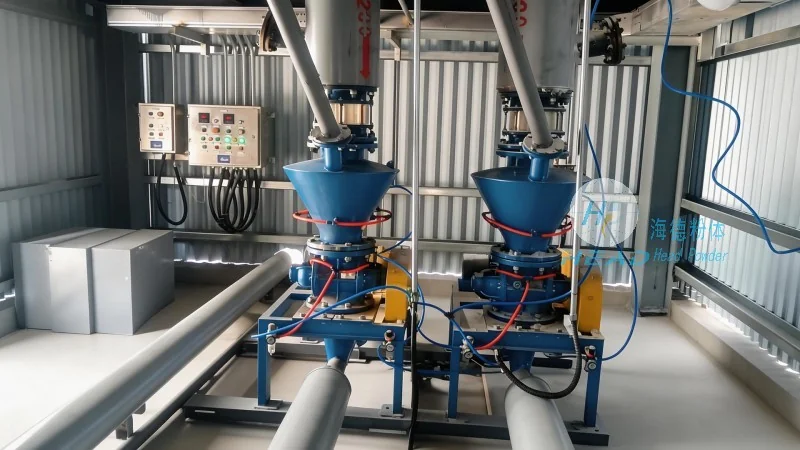
HeadPowder Engineering's Solutions for Gravity Dust Transport
Shandong HeadPowder Engineering Co., Ltd., a leading provider of bulk material handling solutions, specializes in designing and implementing pneumatic conveying systems tailored to the specific needs of gravity dust removal ash transport. The company’s expertise lies in understanding the unique challenges posed by these materials and developing customized solutions that ensure reliable, low-maintenance operation. HeadPowder Engineering utilizes advanced engineering principles and state-of-the-art equipment to design systems that maximize throughput while minimizing energy consumption and equipment wear. Their solutions often include features such as adjustable air flow control, material separation mechanisms, and integrated dust collection systems to enhance overall performance.
Key Benefits of Pneumatic Conveying for Gravity Dust Removal Ash
Implementing pneumatic conveying for gravity dust removal ash offers several key benefits. First, it provides a flexible and scalable solution that can be easily adapted to changes in production volume or operational requirements. Second, the non-contact nature of the system reduces the risk of material contamination and degradation, which is crucial for downstream processing or disposal. Third, pneumatic conveying systems are generally more energy-efficient compared to traditional mechanical conveyors, leading to lower operational costs over time. Additionally, these systems can be integrated with existing infrastructure, minimizing the need for major construction or modifications.
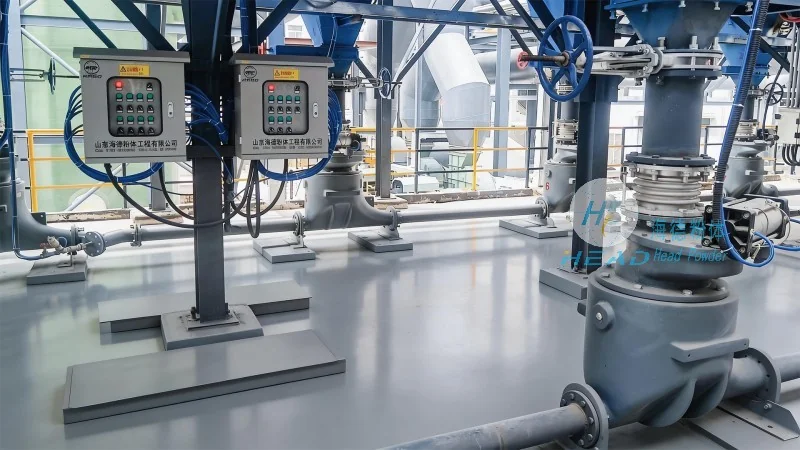
Practical Considerations and Implementation Tips
When implementing a pneumatic conveying system for gravity dust removal ash, several practical considerations must be taken into account. First, the material's properties, such as particle size distribution, moisture content, and abrasiveness, must be thoroughly analyzed to select the appropriate system type and operating parameters. Second, the system's design must account for the potential for dust accumulation and blockages, which can be mitigated through proper air flow management and material separation techniques. Third, regular maintenance and monitoring are essential to ensure optimal performance and prevent downtime. HeadPowder Engineering recommends conducting a comprehensive material analysis and system simulation before finalizing the design to ensure the best possible outcome.
Conclusion: Enhancing Efficiency with Pneumatic Conveying
In conclusion, pneumatic conveying represents a highly effective solution for the bulk transport of gravity dust removal ash. By leveraging the advantages of non-contact transport, energy efficiency, and flexibility, industries can improve operational efficiency, reduce costs, and enhance overall process reliability. Shandong HeadPowder Engineering Co., Ltd. stands ready to provide expert guidance and customized solutions to help clients achieve these benefits, ensuring that their gravity dust removal ash transport operations are both efficient and sustainable.