

Types and Practical Applications of Pneumatic Conveying Systems for Nickel Sulfate Transport
Pneumatic conveying systems have become a critical component in the efficient handling and transport of nickel sulfate, a key chemical used in various industrial applications. As a leading provider of material handling solutions, Shandong HeadPowder Engineering Co., Ltd. specializes in designing and implementing advanced pneumatic conveying systems tailored to the unique challenges of nickel sulfate transport. This article explores the different types of pneumatic conveying systems used in this process and their practical applications, highlighting the benefits and technical considerations for optimal performance.
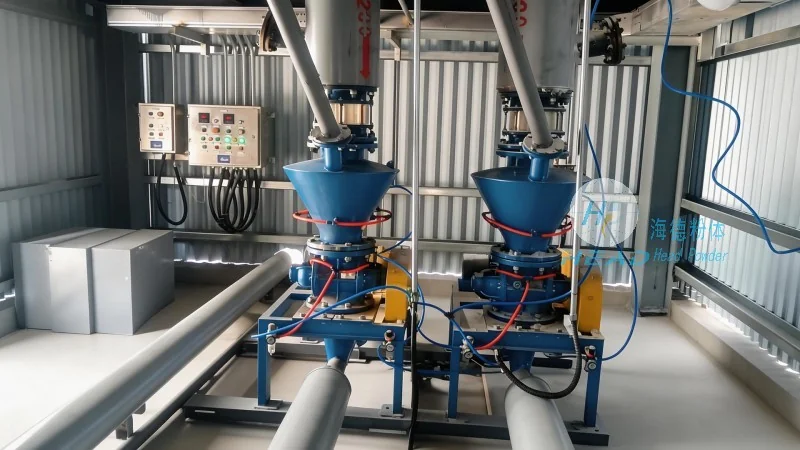
HeadPowder Engineering: Expert in Material Handling Solutions
Shandong HeadPowder Engineering Co., Ltd., headquartered in Shandong, China, is a reputable company dedicated to providing high-quality engineering solutions for material handling and processing. With years of experience in the industry, HeadPowder has developed a deep understanding of the requirements for transporting materials like nickel sulfate, ensuring that their systems are both efficient and reliable. The company's expertise lies in customizing pneumatic conveying systems to meet specific client needs, whether for bulk material transport or precise dosing applications.

Types of Pneumatic Conveying Systems Used in Nickel Sulfate Handling
Pneumatic conveying systems can be categorized into several types, each with distinct characteristics suitable for different scenarios in nickel sulfate transport. The primary types include positive pressure systems, negative pressure (or vacuum) systems, and hybrid systems. Positive pressure systems use compressed air to push material through the conveying line, making them ideal for long-distance transport and handling abrasive materials like nickel sulfate. Negative pressure systems, on the other hand, use vacuum to draw material into the system, which is often preferred for applications requiring dust control and low noise levels. Hybrid systems combine elements of both positive and negative pressure, offering flexibility in handling varying material characteristics and system configurations.

Practical Applications and Benefits of Pneumatic Conveying for Nickel Sulfate
The practical applications of pneumatic conveying systems in nickel sulfate transport are diverse and impactful. One of the key benefits is the ability to transport nickel sulfate in a closed system, which minimizes dust exposure and environmental contamination. This is particularly important in industrial settings where safety and regulatory compliance are paramount. Additionally, pneumatic conveying systems offer high throughput rates, allowing for efficient material handling even in high-volume operations. The systems also provide flexibility in terms of layout, as they can be installed in various configurations to suit existing plant structures. For example, in a nickel sulfate production facility, a positive pressure system might be used to transport raw materials from storage to processing units, while a negative pressure system could be employed to handle finished products, ensuring a seamless and continuous workflow.
Technical Considerations and System Design for Efficient Nickel Sulfate Transport
The design of a pneumatic conveying system for nickel sulfate transport involves several technical considerations to ensure optimal performance and longevity. Material selection is a critical factor, as the system components must withstand the corrosive nature of nickel sulfate and the abrasive properties of the material. Stainless steel and specialized coatings are often used for the conveying lines, valves, and other components to prevent corrosion and wear. The system's pressure and flow rates must be carefully calculated based on the material's bulk density, particle size, and moisture content. Additionally, the system's layout, including the number and placement of inlets and outlets, is crucial for maintaining consistent flow and preventing blockages. HeadPowder Engineering employs advanced computational fluid dynamics (CFD) and other simulation tools to optimize system design, ensuring that the final solution meets the client's specific requirements and operates efficiently under real-world conditions.

Conclusion: Choosing the Right Pneumatic Conveying System for Your Nickel Sulfate Operations
Selecting the appropriate pneumatic conveying system for nickel sulfate transport is a decision that requires careful evaluation of the system's capabilities, benefits, and technical specifications. Shandong HeadPowder Engineering Co., Ltd. offers comprehensive solutions that address the unique challenges of nickel sulfate handling, from system design and installation to ongoing maintenance and support. By leveraging their expertise and advanced technology, clients can achieve efficient, reliable, and cost-effective material transport, enhancing overall operational performance. Whether for new installations or system upgrades, HeadPowder provides the expertise needed to ensure that the chosen pneumatic conveying system meets the demands of modern nickel sulfate operations.