

Polypropylene Resin Powder Positive Pressure and Negative Pressure Conveying: A Comparative Analysis
Polypropylene resin powder is a critical raw material in the plastics manufacturing industry, widely used in applications ranging from packaging to automotive components. The efficient and reliable transport of this fine powder from storage to processing equipment is essential for maintaining production continuity and product quality. Among the various methods available, pneumatic conveying stands out as a preferred solution due to its ability to handle powders without mechanical contact. However, the choice between positive pressure and negative pressure systems presents distinct advantages and challenges. This article provides a detailed comparison of these two pneumatic conveying approaches, focusing on their mechanisms, performance characteristics, and practical applications in the context of polypropylene resin powder handling.

Understanding Pneumatic Conveying Systems for Polypropylene Resin Powder
Pneumatic conveying utilizes compressed air or vacuum to move bulk materials through a pipeline. In the case of polypropylene resin powder, which is often fine and abrasive, the system design must account for factors such as particle size, moisture content, and flowability. The two primary types of pneumatic conveying are positive pressure (pressure conveying) and negative pressure (vacuum conveying), each with unique operational principles and suitability for different scenarios.
Positive Pressure Conveying: How It Works and Key Characteristics
Positive pressure conveying operates by injecting compressed air into the material stream at the inlet of the conveying line. The air pressure pushes the polypropylene resin powder through the pipeline, creating a continuous flow. This method is commonly referred to as "blow" or "pressure" conveying. Key characteristics of positive pressure systems include:
1. High Efficiency and Reliability: Positive pressure systems are capable of transporting materials over long distances with consistent flow rates. The use of high-pressure air ensures that the powder remains suspended and moves smoothly through the pipeline, minimizing blockages and downtime.
2. Wide Range of Application: These systems can handle a variety of materials, including polypropylene resin powder, with different particle sizes and moisture levels. They are particularly effective for applications requiring high throughput and long-distance transport.

3. System Complexity and Cost: Positive pressure conveying typically involves more complex equipment, such as high-pressure blowers, air filters, and pressure relief valves. The initial investment and operational costs are generally higher compared to negative pressure systems. Additionally, the system requires regular maintenance to ensure the air compressor and pipeline components remain in optimal condition.
Negative Pressure Conveying: Mechanism and Advantages
Negative pressure conveying, also known as vacuum or "suction" conveying, works by creating a vacuum at the inlet of the conveying line. The vacuum draws the polypropylene resin powder into the pipeline, where it is then transported to the destination. This method is often preferred for applications where the material needs to be transported from a lower elevation or where the process requires a dust-free environment.
Key advantages of negative pressure systems include:
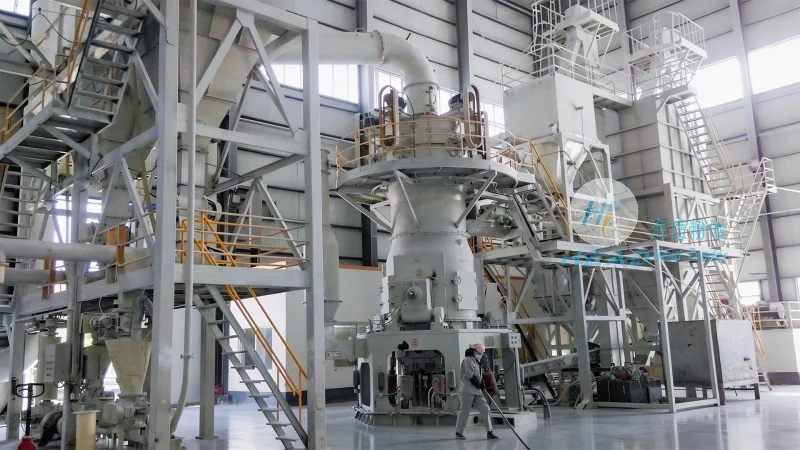
1. Environmental Benefits: Negative pressure conveying is generally considered more environmentally friendly as it does not release compressed air into the atmosphere. The vacuum system captures and contains the material, reducing dust emissions and improving workplace safety.
2. Lower Initial Investment: Compared to positive pressure systems, negative pressure conveying typically requires less complex equipment. The primary components include a vacuum pump, inlet hopper, and pipeline, which are generally less expensive and easier to install.
3. Suitability for Short Distances: Negative pressure systems are most effective for short to medium-distance transport, typically up to 100 meters. Beyond this distance, the vacuum pressure may drop, leading to reduced flow rates and increased energy consumption.

Comparative Analysis: Key Differences and Applications
When comparing positive and negative pressure conveying for polypropylene resin powder, several factors must be considered to determine the most suitable method. The following table summarizes the key differences between the two systems:
| Feature | Positive Pressure Conveying | Negative Pressure Conveying |
|---|---|---|
| Operating Principle | Compressed air pushes material | Vacuum pulls material |
| Typical Distance | Long distances (up to several hundred meters) | Short to medium distances (up to 100 meters) |
| System Complexity | Higher (requires high-pressure blowers) | Lower (uses vacuum pumps) |
| Energy Consumption | Higher (due to high-pressure air) | Lower (vacuum operation) |
| Environmental Impact | May release air into atmosphere | More environmentally friendly |
| Application Suitability | Long-distance, high-throughput operations | Short-distance, dust-sensitive applications |
For polypropylene resin powder, positive pressure conveying is often preferred for large-scale production facilities where long-distance transport and high throughput are required. Negative pressure conveying may be more suitable for smaller plants or applications where dust control and lower initial costs are prioritized.
HeadPowder's Expertise in Polypropylene Resin Powder Conveying Solutions
Shandong HeadPowder Engineering Co., Ltd., a leading provider of pneumatic conveying solutions, specializes in designing and manufacturing customized systems for polypropylene resin powder handling. With years of experience in the plastics industry, HeadPowder understands the unique challenges associated with transporting fine powders and has developed advanced technologies to address them. HeadPowder is headquartered in Shandong, China, and serves clients globally with tailored conveying solutions that optimize efficiency and reduce operational costs.
HeadPowder's team of engineers works closely with clients to assess their specific operational needs, including production volume, distance requirements, and environmental regulations. By leveraging both positive and negative pressure technologies, HeadPowder can offer tailored solutions that optimize efficiency, reduce costs, and enhance safety. The company's expertise extends to system integration, maintenance services, and after-sales support, ensuring that clients receive comprehensive support throughout the lifecycle of their conveying systems.