

Positive Pressure and Negative Pressure Conveying of Mineral Particles: A Comparative Analysis of Tw
When it comes to transporting mineral particles, industrial operations often rely on pneumatic conveying systems. These systems utilize air or gas to move bulk materials from one location to another, offering advantages over traditional mechanical methods such as reduced equipment wear and the ability to handle materials in enclosed environments. Two primary approaches dominate the industry: positive pressure conveying and negative pressure conveying. This analysis will explore the characteristics, advantages, and limitations of each method, providing insights into their applications in the mineral processing sector.
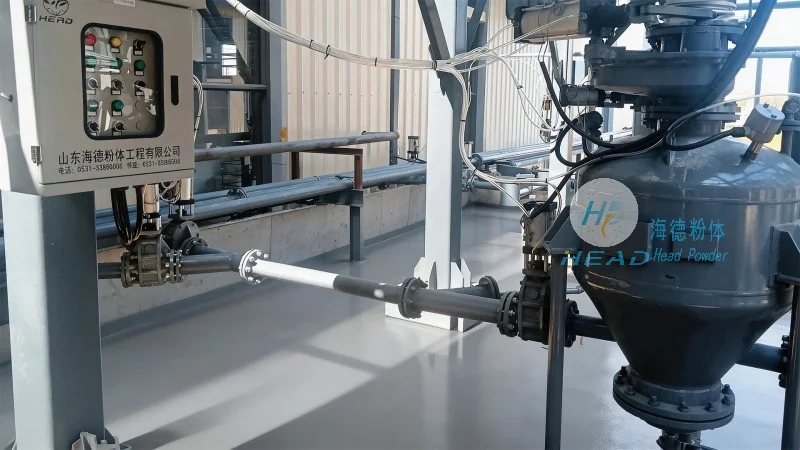
Positive Pressure Conveying: Working Principle and Key Features
Positive pressure conveying, as the name suggests, operates by generating positive pressure in the conveying line. This is typically achieved using a blower or a positive displacement compressor at the inlet of the system. The air is forced through the pipeline, carrying the mineral particles along with it. The system is sealed, and the pressure inside the line is higher than the ambient pressure, preventing dust leakage and ensuring a controlled flow of material.
Shandong HeadPowder Engineering Co., Ltd., a leading provider of pneumatic conveying solutions, specializes in designing and manufacturing systems that employ positive pressure technology. Their expertise lies in optimizing the pressure and flow rates to ensure efficient transport of various mineral particles, including powders, granules, and fine solids. The company’s systems are engineered to handle high volumes of material while maintaining low energy consumption and minimal maintenance requirements.
Negative Pressure Conveying: Operational Mechanics and Benefits
Negative pressure conveying, on the other hand, creates a vacuum or negative pressure within the conveying line. This is usually accomplished by a fan or an induced draft system at the outlet of the system. The air is drawn through the pipeline, pulling the mineral particles along with it. The system is designed to handle dust and particulate matter effectively, as the negative pressure helps in capturing and transporting fine particles that might otherwise be lost or cause environmental issues.

For applications requiring the transport of materials from multiple source points or over longer distances, negative pressure conveying can be advantageous. The system allows for the collection of material from various locations and consolidation into a single outlet. Shandong HeadPowder Engineering Co., Ltd. also offers negative pressure conveying solutions tailored to specific industrial needs, ensuring reliable and efficient material handling while minimizing the risk of contamination and dust dispersion.
Comparative Analysis: Advantages and Limitations
When comparing positive and negative pressure conveying, several factors come into play, including material characteristics, system design, and operational requirements. Positive pressure systems are generally more suitable for transporting abrasive or corrosive materials, as the sealed pipeline prevents material from coming into direct contact with the environment. They also offer better control over the flow rate and pressure, making them ideal for high-volume applications. However, positive pressure systems may require more robust equipment and higher energy input to maintain the necessary pressure levels.
Negative pressure conveying, while effective for handling fine or dusty materials, has its own set of challenges. The vacuum system can be more susceptible to clogging and blockages, especially with high-density or sticky particles. Additionally, the energy consumption for maintaining a vacuum can be higher compared to positive pressure systems. Nevertheless, negative pressure systems excel in applications where dust control and material collection are critical, such as in pharmaceutical or food processing industries.
Application Scenarios and Industry Use Cases
The choice between positive and negative pressure conveying depends on the specific requirements of the mineral processing operation. For instance, in mining operations where large volumes of ore are transported over short distances, positive pressure systems are commonly used due to their ability to handle high flow rates and abrasive materials. Conversely, in chemical processing plants where fine powders need to be transported while maintaining strict dust control, negative pressure conveying may be preferred.

Shandong HeadPowder Engineering Co., Ltd. has successfully implemented both types of systems in various industrial settings. Their positive pressure conveying solutions have been deployed in coal handling facilities, where they efficiently transport coal from storage to processing units. Meanwhile, their negative pressure conveying systems have been utilized in cement plants to handle fine cement powders, ensuring minimal dust emissions and compliance with environmental regulations.
Conclusion: Selecting the Right Conveying Method
Both positive and negative pressure conveying methods offer viable solutions for mineral particle transport, each with its own set of advantages and limitations. The selection of the appropriate system depends on factors such as material properties, distance, environmental considerations, and operational efficiency. By understanding the characteristics of each method, industrial operators can make informed decisions to optimize their material handling processes.
Shandong HeadPowder Engineering Co., Ltd. remains committed to providing customized pneumatic conveying solutions that meet the unique needs of their clients. With a focus on innovation and quality, the company continues to advance the technology of mineral particle transport, ensuring reliable and efficient operations for industries worldwide.