

Sodium Dithionite Pneumatic Conveying Technology: In-Depth Analysis of Vacuum and Positive Pressure
HeadPowder, a leading provider in the field of chemical processing and material handling solutions, specializes in advanced pneumatic conveying systems tailored for sodium dithionite, a critical chemical widely used in various industrial applications. This article delves into the technical aspects of both vacuum and positive pressure pneumatic conveying systems, exploring their operational principles, advantages, and practical applications in the industry.
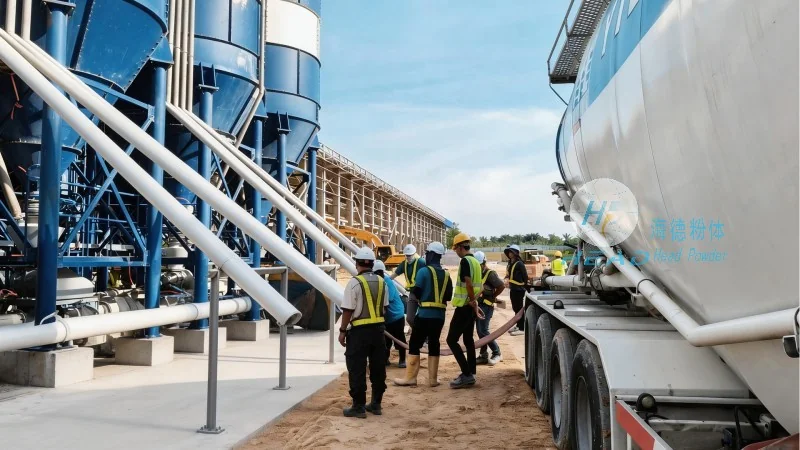
Sodium dithionite, also known as sodium hydrosulfite, is a reducing agent commonly utilized in industries such as textile, food processing, and water treatment. Efficient and safe transportation of this material is paramount due to its sensitivity to moisture and the need for controlled handling to prevent degradation or safety hazards. Pneumatic conveying offers a solution by transporting the material through a pipeline using air or gas as the conveying medium, eliminating the need for mechanical components that may cause contamination or damage to the product.
There are two primary types of pneumatic conveying systems: vacuum and positive pressure. Each system operates on distinct principles and is suitable for different operational requirements and material characteristics. Understanding the differences between these systems is essential for selecting the most appropriate technology for sodium dithionite handling.
Vacuum Pneumatic Conveying Systems for Sodium Dithionite
Vacuum pneumatic conveying systems operate by creating a negative pressure within the conveying line, which draws the material from the source into the system. The material is then transported to the destination by the suction force generated by the vacuum pump. This method is particularly effective for applications where the material needs to be conveyed over relatively short distances or where the source is at a higher elevation than the destination.
The key components of a vacuum system include a vacuum pump, a material feed hopper, a conveying line, and a receiver. The vacuum pump creates the necessary suction, while the feed hopper ensures a consistent flow of material into the line. The conveying line is typically made of materials resistant to corrosion, such as stainless steel or polyethylene, to prevent contamination from the sodium dithionite. The receiver is where the material is deposited after being conveyed.
Advantages of vacuum systems include lower initial costs compared to positive pressure systems, as they require less powerful equipment and fewer components. Additionally, vacuum systems are less likely to cause dust explosions due to the lower air velocity and reduced risk of ignition. However, vacuum systems have limitations, such as lower conveying distances and lower material flow rates compared to positive pressure systems. They are also more susceptible to clogging due to the lower air velocity and the potential for material buildup in the line.

Positive Pressure Pneumatic Conveying Systems for Sodium Dithionite
Positive pressure pneumatic conveying systems, on the other hand, operate by creating a positive pressure within the conveying line using a blower or compressor. The material is then pushed through the line by the pressure of the air or gas. This method is suitable for longer conveying distances and higher material flow rates, making it ideal for applications where the source and destination are at different elevations or where the material needs to be transported over a longer distance.
The components of a positive pressure system include a blower or compressor, a material feed hopper, a conveying line, and a receiver. The blower or compressor provides the necessary pressure to push the material through the line. The conveying line is typically made of materials that can withstand the higher pressure and temperature generated by the system, such as stainless steel or high-density polyethylene. The receiver is where the material is deposited after being conveyed.
Advantages of positive pressure systems include higher conveying distances and higher material flow rates compared to vacuum systems. They are also less susceptible to clogging due to the higher air velocity and reduced risk of material buildup in the line. However, positive pressure systems have higher initial costs due to the need for more powerful equipment and additional safety features to prevent dust explosions. They also require more maintenance due to the higher wear and tear on components.
Applications of Pneumatic Conveying in Sodium Dithionite Handling
Both vacuum and positive pressure pneumatic conveying systems are widely used in the handling of sodium dithionite. The choice between the two systems depends on several factors, including the distance between the source and destination, the material flow rate required, the elevation difference, and the specific application requirements.
In the textile industry, sodium dithionite is used as a reducing agent in the bleaching process. Pneumatic conveying systems are used to transport the material from storage silos to the bleaching equipment. The vacuum system is often preferred for this application due to the relatively short distance and the need to maintain a consistent flow of material.

In the food processing industry, sodium dithionite is used as a preservative and antioxidant. Pneumatic conveying systems are used to transport the material from storage tanks to the processing equipment. The positive pressure system is often preferred for this application due to the longer distance and higher material flow rate required.
In the water treatment industry, sodium dithionite is used as a reducing agent to remove chlorine and other contaminants from water. Pneumatic conveying systems are used to transport the material from storage tanks to the water treatment plant. The positive pressure system is often preferred for this application due to the longer distance and higher material flow rate required.
HeadPowder's Expertise in Pneumatic Conveying Solutions
HeadPowder, with its headquarters in Shandong, China, has extensive experience in designing and manufacturing pneumatic conveying systems for sodium dithionite and other chemicals. The company's team of engineers and technicians has developed advanced systems that combine the advantages of both vacuum and positive pressure technologies, ensuring efficient and safe material handling.
HeadPowder's systems are designed to meet the specific requirements of each customer, taking into account factors such as the material's properties, the conveying distance, and the operational environment. The company uses high-quality materials and components to ensure the durability and reliability of its systems, and provides comprehensive support, including installation, commissioning, and maintenance services.
By leveraging the expertise of HeadPowder, industries can ensure the efficient and safe handling of sodium dithionite, reducing the risk of accidents and improving overall operational efficiency. The company's commitment to quality and customer satisfaction has made it a trusted partner in the chemical processing industry.