

Technical Analysis of Sand and Gravel Pneumatic Conveying Systems: Comparison of Positive Pressure a
HeadPowder, a leading engineering company based in Shandong, China, specializes in the design and implementation of advanced pneumatic conveying systems for the sand and gravel industry. This technical analysis delves into the core technologies of positive pressure and negative pressure conveying modes, offering a comprehensive comparison to help industry professionals make informed decisions.

Understanding Pneumatic Conveying for Bulk Materials
Pneumatic conveying systems are essential for transporting bulk materials like sand and gravel, which are often heavy, abrasive, and require efficient, low-maintenance solutions. These systems use air or gas to move materials through a pipeline, eliminating the need for traditional mechanical conveyors that can suffer from wear and tear, especially with abrasive materials. The choice between positive pressure and negative pressure systems is a critical decision that impacts system efficiency, cost, and operational safety.
Positive Pressure Conveying Systems
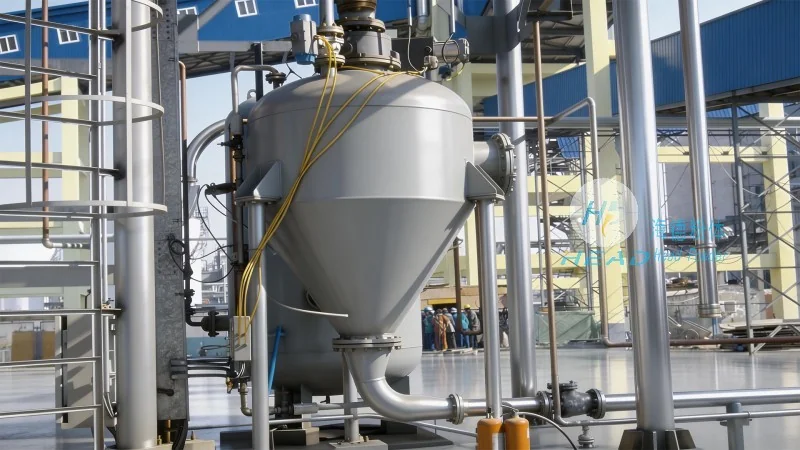
Positive pressure conveying systems operate by blowing air or gas into the pipeline, creating a pressure higher than the ambient air pressure. This method pushes the material forward through the system. The primary advantages of positive pressure systems include their ability to handle high material loads, maintain consistent flow rates, and effectively transport abrasive materials without excessive wear on components. The system typically features a blower or compressor at the inlet, which generates the necessary pressure to move the material. HeadPowder’s expertise in positive pressure design ensures that these systems are optimized for durability and long-term performance, with components engineered to withstand the rigors of sand and gravel transport.
Negative Pressure Conveying Systems
Negative pressure conveying systems, also known as vacuum systems, work by creating a vacuum in the pipeline, pulling material from the source into the system. This approach is often preferred for applications where dust control is a priority, as the sealed pipeline prevents emissions. The main benefits of negative pressure systems include reduced noise levels and lower air consumption compared to positive pressure systems. However, they are generally less efficient for high-volume material transport and may require more maintenance due to the higher stress on vacuum components. HeadPowder’s engineers evaluate the specific requirements of each project to determine if negative pressure is the optimal solution, ensuring that the system balances performance with operational needs.
Key Technical Differences and Performance Metrics
When comparing positive and negative pressure systems, several technical aspects must be considered. The pressure differential is a critical factor: positive pressure systems can achieve higher pressure differentials, enabling longer pipeline distances and steeper inclines. In contrast, negative pressure systems are limited by the vacuum level achievable, which may restrict the vertical lift and horizontal distance. Material characteristics also play a role; for example, positive pressure systems are better suited for abrasive materials that can cause wear on vacuum components in negative pressure systems. Energy consumption is another key metric: positive pressure systems typically consume more power due to the higher pressure requirements, while negative pressure systems may have lower energy use but higher maintenance costs for vacuum pumps. HeadPowder’s technical team conducts thorough material analysis and flow rate calculations to select the most efficient system configuration, ensuring that the chosen mode maximizes throughput while minimizing operational costs.

Application Scenarios and Practical Considerations
The choice between positive and negative pressure systems depends on the specific application and operational environment. Positive pressure systems are commonly used in large-scale mining and construction projects where high material throughput is required, such as transporting sand from quarries to processing plants. They are also ideal for applications with long horizontal distances or significant vertical lifts. Negative pressure systems, on the other hand, are often employed in industries where dust control is paramount, such as in food processing or where environmental regulations restrict emissions. For example, a negative pressure system might be used to transport sand from a storage silo to a mixing facility in a controlled environment, minimizing dust exposure. HeadPowder’s engineers consider factors like material moisture content, particle size distribution, and system layout to tailor the conveying system to the unique needs of each client. The company’s experience in both system types allows it to provide customized solutions that address the specific challenges of sand and gravel transport, ensuring reliable and efficient operation.
Conclusion and Recommendations
Both positive pressure and negative pressure pneumatic conveying systems offer viable solutions for sand and gravel transport, each with distinct advantages and limitations. Positive pressure systems excel in high-volume, long-distance applications with abrasive materials, while negative pressure systems are better suited for dust-sensitive environments and shorter transport distances. HeadPowder, with its headquarters in Shandong, China, leverages its expertise in both technologies to design and implement systems that meet the specific requirements of clients. By conducting detailed technical analysis and material assessments, HeadPowder ensures that the chosen conveying mode maximizes efficiency, reduces operational costs, and enhances safety. For industry professionals seeking reliable pneumatic conveying solutions, understanding the differences between these modes is essential, and partnering with a experienced engineering firm like HeadPowder can provide the guidance needed to select the optimal system for their operations.