

Technical Analysis of Calcium Carbonate Pneumatic Conveying Systems: Comparison of Positive Pressure
Calcium carbonate, a widely used industrial material in sectors such as paper, plastics, and coatings, often requires efficient and reliable material handling solutions. Pneumatic conveying systems have emerged as a key technology for transporting calcium carbonate powder, offering advantages over traditional methods like belt conveyors or bucket elevators. This article provides a technical analysis of calcium carbonate pneumatic conveying systems, focusing on the comparison between positive pressure and negative pressure conveying modes. The discussion is based on the expertise of Shandong HeadPowder Engineering Co., Ltd., a leading provider of material handling solutions in China.
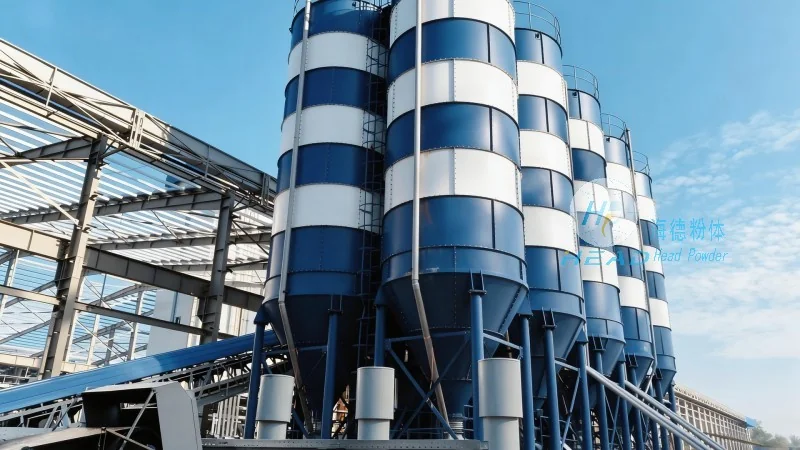
Overview of Pneumatic Conveying Systems for Calcium Carbonate
Pneumatic conveying systems utilize air or gas to transport bulk materials like calcium carbonate powder through a pipeline network. These systems are categorized into two primary modes: positive pressure and negative pressure. Each mode has distinct characteristics, operational principles, and suitability for different applications. Understanding the differences between these modes is crucial for selecting the most appropriate system for calcium carbonate handling, ensuring optimal performance, efficiency, and cost-effectiveness.

Positive Pressure Conveying Mode: Advantages and Technical Aspects
Positive pressure pneumatic conveying systems operate by blowing air or gas into the material stream, creating a pressure higher than the ambient air pressure. This method is commonly used for short to medium-distance conveying and for materials that are less abrasive or have lower dust generation. The system typically includes a blower, a hopper, and a pipeline network. The blower provides the necessary pressure to move the material, and the hopper stores the calcium carbonate powder before it is fed into the pipeline. One of the key advantages of positive pressure systems is their ability to handle a wide range of particle sizes and moisture content, making them suitable for various calcium carbonate grades. Additionally, these systems are generally easier to install and maintain compared to negative pressure systems. However, they may require more energy input due to the higher pressure requirements and can be less effective for long-distance conveying or handling highly abrasive materials.

Negative Pressure Conveying Mode: Advantages and Technical Aspects
Negative pressure pneumatic conveying systems, also known as vacuum systems, operate by creating a vacuum in the pipeline, drawing material from the source into the system. This mode is often preferred for long-distance conveying, as it can handle longer distances with less pressure drop. The system typically consists of a vacuum pump, a hopper, and a pipeline network. The vacuum pump creates the negative pressure, and the material is drawn from the hopper into the pipeline. Negative pressure systems are particularly effective for handling fine powders and materials that are prone to dust generation, as the vacuum helps to control dust emissions. Another advantage is that they can be more energy-efficient for long-distance applications, as the pressure drop is lower compared to positive pressure systems. However, negative pressure systems may be more complex to design and maintain, especially when dealing with abrasive or sticky materials, and they require careful consideration of dust collection and filtration to prevent system blockages.
Key Considerations for Selecting the Right Conveying Mode
When selecting between positive pressure and negative pressure pneumatic conveying systems for calcium carbonate, several factors must be considered. The distance of the conveying line is a primary factor, as positive pressure is better suited for shorter distances while negative pressure is more effective for longer distances. The particle size and flow properties of the calcium carbonate also play a role, with positive pressure systems generally handling larger particles and negative pressure systems better suited for fine powders. The environmental and safety requirements of the application are also critical, as negative pressure systems can better control dust emissions, which is important for compliance with environmental regulations. Additionally, the cost of installation, operation, and maintenance should be evaluated, as positive pressure systems may have lower initial costs but higher energy consumption, while negative pressure systems may have higher initial costs but lower energy usage for long-distance conveying.

Conclusion: Choosing the Right Pneumatic Conveying Solution for Calcium Carbonate
Both positive pressure and negative pressure pneumatic conveying systems offer viable solutions for transporting calcium carbonate powder, each with its own set of advantages and limitations. The choice between the two modes depends on the specific requirements of the application, including the conveying distance, material properties, and operational constraints. Shandong HeadPowder Engineering Co., Ltd. specializes in designing and manufacturing customized pneumatic conveying systems tailored to the unique needs of calcium carbonate handling. By leveraging their expertise in material flow dynamics and system design, they provide solutions that optimize performance, efficiency, and safety for industrial applications. Whether a positive pressure or negative pressure system is selected, the goal is to achieve reliable, efficient, and cost-effective material transport, ensuring that calcium carbonate can be handled safely and effectively in various industrial processes.