

Phosphate Iron Pneumatic Conveying Technology: Principles, Applications, and Development Trends
Phosphate iron, a critical raw material in the production of lithium iron phosphate (LFP) batteries, is widely used in modern energy storage systems. The efficient and reliable transportation of phosphate iron is essential for optimizing production processes and ensuring product quality. Pneumatic conveying technology offers a solution by utilizing air to transport bulk materials like phosphate iron, providing advantages such as low maintenance, minimal contamination, and the ability to handle fine powders. This article explores the principles, practical applications, and emerging trends in phosphate iron pneumatic conveying technology, with a focus on the expertise and solutions provided by Shandong HeadPowder Engineering Co., Ltd., a leading company in the field.
Principles of Pneumatic Conveying for Phosphate Iron
The core principle of pneumatic conveying involves the use of air to move solid particles through a pipeline. In the case of phosphate iron, which is typically a fine powder or granular material, the conveying system operates by creating a pressure differential or using suction to transport the material. There are two main types of pneumatic conveying systems: pressure and vacuum. Pressure systems use positive pressure to push the material through the pipeline, while vacuum systems use negative pressure to pull the material. For phosphate iron, which is often sensitive to moisture and contamination, pressure systems are commonly preferred as they can maintain a positive pressure environment, reducing the risk of moisture ingress and ensuring product integrity.
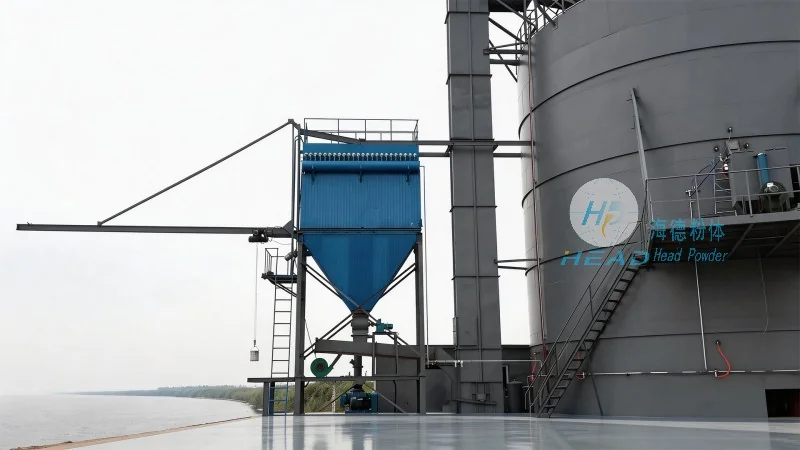
Key components of a phosphate iron pneumatic conveying system include the material feed hopper, conveyor pipeline, air compressor or vacuum pump, and control valves. The feed hopper is designed to store and meter the phosphate iron, ensuring a consistent flow rate. The pipeline is typically made of corrosion-resistant materials like stainless steel or polyethylene to prevent material degradation and contamination. The air compressor or vacuum pump provides the necessary pressure or suction to move the material through the pipeline. Control valves are used to regulate the flow rate and pressure, ensuring smooth operation and preventing system overload.

Applications of Phosphate Iron Pneumatic Conveying
Phosphate iron pneumatic conveying technology is widely applied in various industries, particularly in the battery manufacturing sector. One primary application is in the production of lithium iron phosphate (LFP) batteries, where phosphate iron is a key component of the cathode material. The efficient transport of phosphate iron from storage to the battery production line is crucial for maintaining production efficiency and meeting demand. Shandong HeadPowder Engineering Co., Ltd. has developed specialized pneumatic conveying systems tailored for the battery industry, ensuring that phosphate iron is transported in a clean and controlled environment, minimizing the risk of contamination and optimizing the production process.
In addition to battery manufacturing, phosphate iron pneumatic conveying is also used in other industries such as chemical processing and mineral processing. For example, in chemical plants, phosphate iron may be used as a raw material for the production of fertilizers or other chemical products. The pneumatic conveying system allows for the safe and efficient transport of phosphate iron from storage to processing equipment, reducing the need for manual handling and improving workplace safety. In mineral processing, phosphate iron may be used as a feedstock for the production of iron-based alloys or other metal products. The conveying system helps to maintain a consistent flow rate and prevent material buildup, ensuring smooth operation of the processing plant.

Development Trends in Phosphate Iron Pneumatic Conveying
The field of phosphate iron pneumatic conveying is continuously evolving, driven by advancements in technology and increasing demand for efficient material handling solutions. One key trend is the development of more energy-efficient systems. Modern pneumatic conveying systems use advanced air compressors and control technologies to reduce energy consumption while maintaining high conveying efficiency. This is particularly important for large-scale production facilities, where energy costs can significantly impact overall operational expenses.
Another trend is the integration of automation and control systems. Advanced control systems allow for real-time monitoring of the conveying process, enabling operators to adjust parameters such as flow rate and pressure as needed. This not only improves the efficiency of the system but also enhances safety by preventing overloading or other operational issues. Shandong HeadPowder Engineering Co., Ltd. is at the forefront of this trend, offering automated pneumatic conveying solutions that integrate with existing production systems, providing real-time data and remote monitoring capabilities.

Furthermore, there is a growing emphasis on sustainability and environmental compliance in material handling. Pneumatic conveying systems are designed to minimize dust emissions and noise pollution, making them more environmentally friendly compared to traditional methods like belt conveyors or manual handling. The use of corrosion-resistant materials and efficient filtration systems further reduces the environmental impact of phosphate iron transportation. As regulations become more stringent, companies like Shandong HeadPowder Engineering Co., Ltd. are investing in research and development to create more sustainable and eco-friendly conveying solutions.
Additionally, the demand for customized solutions is increasing. Different production facilities have unique requirements, such as varying material types, flow rates, and space constraints. Shandong HeadPowder Engineering Co., Ltd. provides tailored pneumatic conveying systems that are designed to meet the specific needs of each client. This includes customizing the system components, such as the pipeline diameter, air pressure, and control system, to ensure optimal performance and efficiency. The company's expertise in material handling and pneumatic conveying allows them to develop solutions that are not only efficient but also cost-effective and reliable.