

Silicon Carbide Pneumatic Conveying Technology: Principles, Applications, and Development Trends
Silicon carbide (SiC) is a high-performance ceramic material widely used in various industrial applications due to its exceptional hardness, thermal stability, and chemical resistance. Efficient material handling of SiC powders and granules is crucial for maintaining product quality and operational efficiency in manufacturing processes. Pneumatic conveying technology offers a reliable solution for transporting SiC materials, providing advantages such as dust-free operation, flexibility in system design, and the ability to handle abrasive materials without mechanical wear. HeadPowder, a leading provider of advanced material handling solutions, specializes in developing customized pneumatic conveying systems tailored to the unique needs of SiC applications. This article explores the fundamental principles of SiC pneumatic conveying, its practical applications across different industries, and the emerging trends shaping the future of this technology.
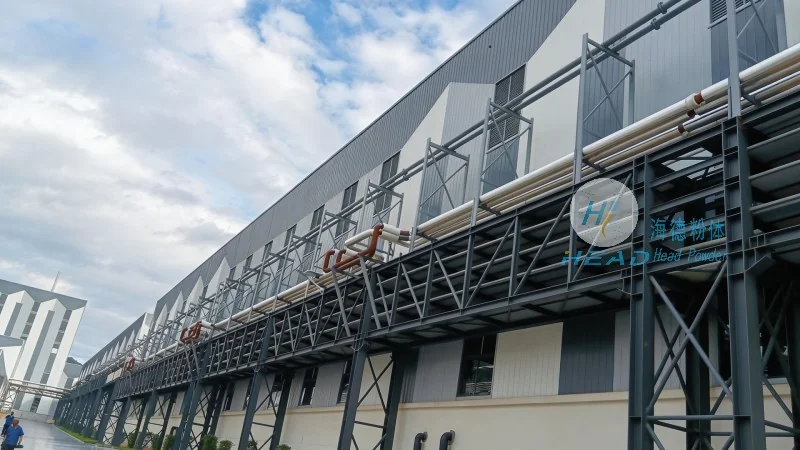

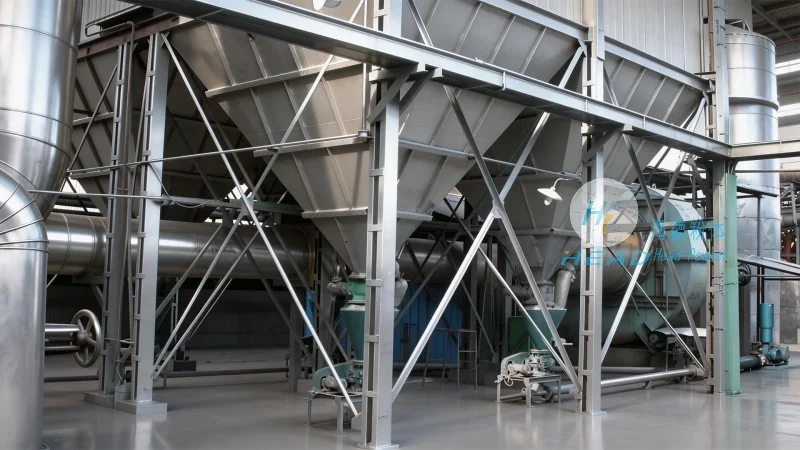

Principles of Pneumatic Conveying for Silicon Carbide
The core principle of pneumatic conveying involves the use of compressed air or gas to transport bulk materials through a pipeline system. For SiC, which is often in powder or fine granule form, the system typically operates under pressure or vacuum conditions. The key components of a pneumatic conveying system include a material feeder, a conveying line, a separator (for dust removal), and a discharge unit. The choice between pressure and vacuum systems depends on factors like material properties, distance, and system layout. Pressure systems use positive pressure to push material through the line, while vacuum systems create a negative pressure to pull material. In SiC applications, pressure systems are more common due to the material's abrasive nature and the need for high material flow rates. The system design must consider the particle size distribution, moisture content, and flow characteristics of SiC to ensure optimal performance and minimize system wear. Proper air velocity management is critical to prevent particle segregation and ensure consistent conveying efficiency.
Applications of SiC Pneumatic Conveying in Industry
SiC pneumatic conveying is utilized across multiple sectors where high-performance ceramics are essential. In the semiconductor industry, SiC powders are used in the production of high-power electronic devices and power electronics. The precise handling of SiC powders is vital to avoid contamination and maintain the purity required for semiconductor manufacturing. In the automotive sector, SiC is employed in brake systems and powertrain components, where the material's thermal conductivity and strength are leveraged. The automotive industry relies on efficient conveying systems to transport SiC powders to production lines, ensuring consistent quality and reducing downtime. The aerospace industry also benefits from SiC's properties in thermal protection systems and structural components. Pneumatic conveying systems are integrated into these production lines to handle SiC materials safely and effectively. Additionally, in the refractory and foundry industries, SiC is used as a raw material for high-temperature applications. The ability to convey SiC powders reliably supports the production of refractory products with consistent properties. Each application requires tailored system configurations to meet specific material handling needs, such as varying particle sizes or flow rates.