

Design Considerations for Graphite Lump Pneumatic Conveying Systems
When designing a pneumatic conveying system for graphite lumps, several critical factors must be considered to ensure efficient and reliable operation. This article outlines key design considerations tailored to the unique properties of graphite and the specific requirements of material handling in industrial applications.

System Selection and Material Properties
Graphite lumps possess distinct characteristics that influence system design. The material's density, particle size distribution, and flowability are paramount. For instance, graphite lumps typically have a lower bulk density compared to other bulk materials, which affects air velocity requirements and pipeline sizing. Additionally, the abrasive nature of graphite can impact wear on system components, necessitating the selection of durable materials such as stainless steel or specialized coatings for pipelines and valves.
Pipeline Design and Layout
The layout of the pneumatic conveying pipeline is a critical design element. The system should be designed to minimize pressure drops and ensure consistent material flow. Horizontal and vertical runs must be optimized to maintain appropriate air-to-material ratios. For vertical lifts, the use of a positive displacement blower or a high-pressure system may be required to overcome gravitational forces. The pipeline diameter is also crucial; larger diameters reduce friction losses but increase capital costs, while smaller diameters may lead to higher pressure requirements and potential blockages. Properly sized and supported pipelines prevent sagging, which can cause material buildup and system inefficiencies.

Airflow Management and Pressure Control
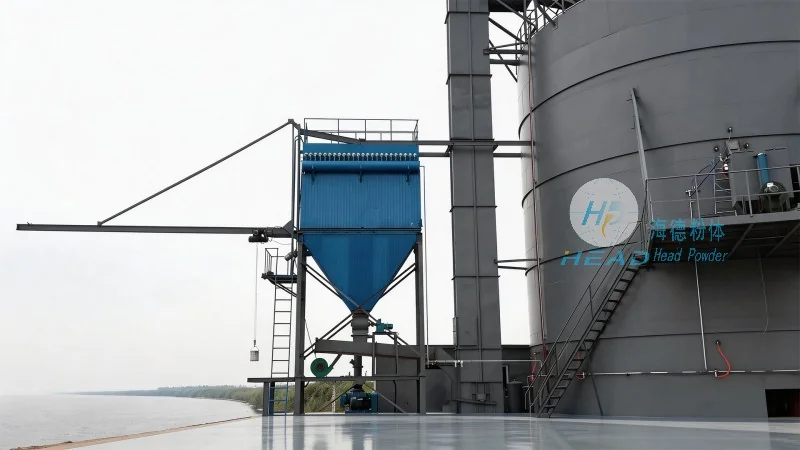
Effective airflow management is essential for the performance of a graphite lump pneumatic conveying system. The air velocity must be sufficient to entrain the material but not so high as to cause excessive wear or energy consumption. The system should incorporate pressure sensors and control valves to regulate airflow and maintain consistent pressure levels. This ensures that the material is conveyed smoothly without clogging or excessive energy use. Additionally, the inclusion of filters and cyclones in the system helps to separate the graphite from the air, preventing dust accumulation and maintaining system cleanliness.
Component Selection and Maintenance
The choice of components, such as blowers, valves, and filters, directly impacts the system's longevity and performance. High-quality, wear-resistant components are recommended to withstand the abrasive nature of graphite. Regular maintenance, including inspections of pipelines for wear, cleaning of filters, and lubrication of moving parts, is essential to prevent system failures and ensure continuous operation. The use of automated monitoring systems can also help to detect issues early, reducing downtime and maintenance costs.
Environmental and Safety Considerations
Graphite dust can pose health and safety risks, and environmental regulations must be considered in system design. Proper dust collection and filtration systems are necessary to minimize airborne particles and comply with local regulations. Additionally, the system should be designed with safety features such as pressure relief valves and emergency shut-off mechanisms to prevent accidents and protect personnel.
By addressing these design considerations, industrial facilities can implement a reliable and efficient pneumatic conveying system for graphite lumps. The expertise of companies like Shandong HeadPowder Engineering Co., Ltd. (headpowder) is invaluable in ensuring that systems are tailored to specific operational needs, optimizing performance and reducing long-term costs.