

Design Considerations for Small Bean Pneumatic Conveying Systems
When designing a pneumatic conveying system for small bean processing, several critical factors must be considered to ensure efficient operation, minimal maintenance, and long-term reliability. The system's performance directly impacts the overall productivity and quality of the small bean handling process, making careful planning essential.
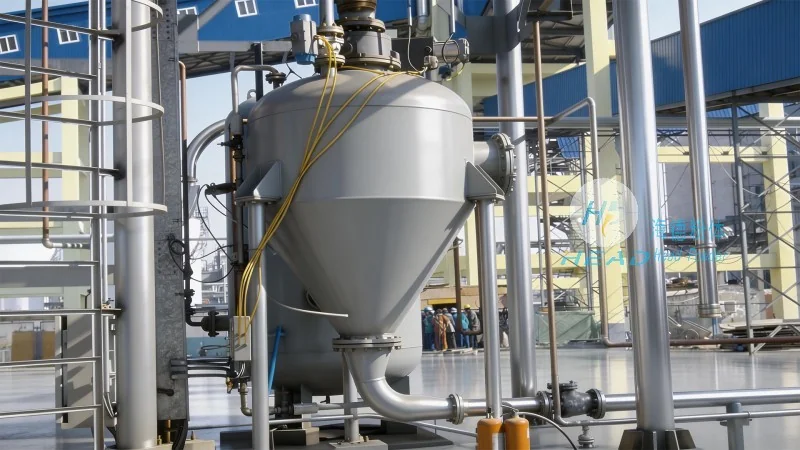
Key Design Considerations for Small Bean Pneumatic Conveying Systems
One of the primary considerations is the selection of the appropriate conveying method. For small beans, which are typically lightweight and have a relatively low bulk density, a positive pressure system is often preferred. This approach involves blowing air into the product stream, creating a flow that transports the beans through the pipeline. Positive pressure systems are particularly effective for handling fine or dusty materials like small beans, as they can maintain consistent flow rates and prevent material degradation.
System Pressure and Flow Rate Management
Controlling the pressure and flow rate is crucial for optimizing the conveying process. The pressure must be sufficient to overcome the resistance in the pipeline, including friction losses and elevation changes. For small bean systems, a typical operating pressure ranges from 0.5 to 2 bar, depending on the pipeline length and the desired flow rate. The flow rate is determined by the capacity requirements of the downstream processing equipment, such as storage silos or processing lines. Properly managing these parameters ensures that the system operates within its design limits, preventing excessive energy consumption or equipment wear.

Pipeline Design and Material Selection
The design of the conveying pipeline is a critical aspect of the system. The pipeline diameter and length must be carefully selected to match the flow rate and pressure requirements. For small beans, a diameter of 50 to 100 mm is commonly used, with longer pipelines requiring larger diameters to maintain adequate velocity and prevent material settling. The material of the pipeline is also important; stainless steel is often preferred due to its corrosion resistance and ability to handle the abrasive nature of small beans. Additionally, the use of smooth, rounded bends and transitions reduces pressure losses and minimizes the risk of material blockages.
Equipment Selection and Integration
The choice of equipment, including the air compressor, feeder, and control valves, directly impacts the system's performance. The air compressor must be capable of delivering the required volume and pressure at a consistent rate. For small bean systems, a rotary lobe or screw compressor is often suitable, as they provide stable air flow and low noise levels. The feeder, which introduces the small beans into the pipeline, should be designed to handle the material's characteristics, such as its size and moisture content. A properly sized and controlled feeder ensures a consistent material feed, preventing surges or gaps in the conveying stream. Control valves, such as pressure relief valves and flow control valves, are essential for maintaining system stability and protecting equipment from overpressure or underflow conditions.

System Maintenance and Safety Considerations
Maintenance and safety are integral to the long-term operation of the pneumatic conveying system. Regular inspection of the pipeline and equipment for signs of wear or damage is necessary to prevent leaks or blockages. The air compressor and other components should be serviced according to the manufacturer's recommendations to ensure optimal performance and longevity. Safety considerations include proper grounding of electrical equipment, use of explosion-proof components in potentially hazardous environments, and implementation of emergency shutdown procedures. These measures help to minimize the risk of accidents and ensure the safety of personnel operating the system.
By addressing these design considerations, engineers can develop a pneumatic conveying system that effectively handles small beans while minimizing operational costs and maximizing efficiency. The expertise of companies like Shandong HeadPowder Engineering Co., Ltd. (headpowder) is invaluable in this process, as they provide comprehensive design, manufacturing, and installation services tailored to the specific needs of small bean processing facilities. With their focus on quality and customer satisfaction, headpowder helps clients achieve reliable and efficient small bean handling solutions that meet industry standards and enhance overall productivity.