

Operation Process and Working Principle of Soap Granule Material Pneumatic Conveying Line
HeadPowder, a leading manufacturer based in Shandong, China, specializes in the design, production, and installation of advanced pneumatic conveying systems for various industrial applications. This article provides a detailed overview of the operation process and working principle of a soap granule material pneumatic conveying line, highlighting the key components, operational steps, and technical aspects that ensure efficient and reliable material handling.
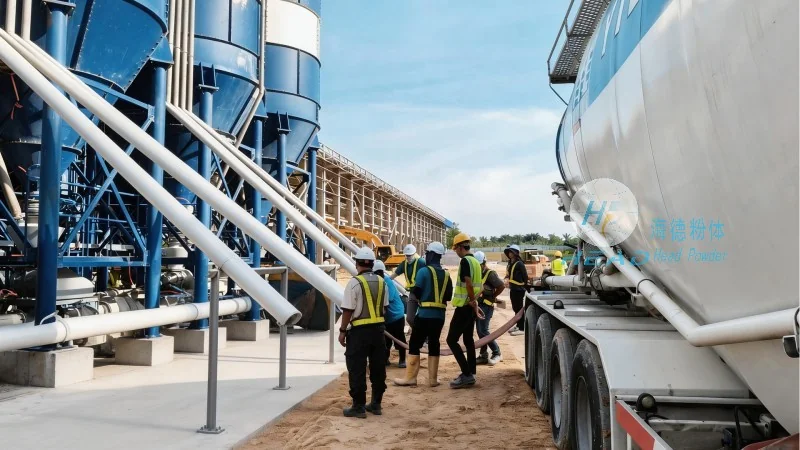
Introduction to Pneumatic Conveying Systems
Pneumatic conveying systems are widely used in industries such as chemical, food, and pharmaceuticals to transport bulk materials like powders, granules, and pellets. These systems utilize air or other gases to move materials through a pipeline network, offering advantages over traditional mechanical conveying methods, including reduced equipment wear, lower maintenance costs, and the ability to handle materials that are sensitive to moisture or contamination. The soap granule material, in particular, requires a specialized conveying system due to its properties, such as hygroscopic nature and potential for dust generation, which necessitates a design that ensures minimal product degradation and optimal flow characteristics.
Key Components of the Pneumatic Conveying Line
The soap granule pneumatic conveying line consists of several critical components that work in tandem to achieve efficient material transport. These components include the material hopper, feeder, air compressor, conveying pipeline, and discharge unit. Each component plays a vital role in the overall operation, and their proper integration is essential for the system's performance.
The material hopper is the initial storage unit where soap granules are collected before being fed into the system. It is typically designed with a conical or rectangular shape to facilitate uniform material flow and prevent blockages. The hopper is equipped with a level indicator to monitor the material inventory and a discharge valve for controlled release of the material into the feeder.
The feeder is a crucial component that regulates the flow rate of soap granules from the hopper into the conveying pipeline. Common types of feeders used in pneumatic conveying systems include rotary valves, star feeders, and screw feeders. For soap granules, a rotary valve or a star feeder is often preferred due to their ability to handle abrasive materials and maintain consistent flow rates, which is critical for preventing pressure surges and ensuring smooth operation.
The air compressor is the power source of the pneumatic conveying system, responsible for generating the necessary air pressure to move the material through the pipeline. The choice of compressor depends on the system's capacity, material characteristics, and pipeline length. For soap granule applications, a positive displacement compressor or a rotary screw compressor is commonly used, as they provide stable pressure and flow rates suitable for handling fine or abrasive materials.

The conveying pipeline is the main channel through which the soap granules are transported. It is typically made of stainless steel or other corrosion-resistant materials to withstand the chemical properties of soap granules and prevent material buildup or corrosion. The pipeline is designed with appropriate bends and elbows to minimize pressure losses and ensure efficient material flow. The diameter of the pipeline is selected based on the material's flow characteristics and the required conveying capacity.
The discharge unit is the final component of the pneumatic conveying line, where the soap granules are released from the pipeline into the receiving container or processing equipment. It is usually equipped with a filter or a cyclone separator to remove any air or dust particles from the material, ensuring that the delivered product is clean and free from contaminants. The discharge unit may also include a pressure regulator to maintain consistent pressure and flow rates during operation.
Operation Process of the Pneumatic Conveying Line
The operation of the soap granule pneumatic conveying line involves several sequential steps that ensure the smooth and efficient transport of the material. The process begins with the loading of soap granules into the material hopper, followed by the activation of the feeder to regulate the flow rate. The air compressor then starts, generating the required air pressure to move the material through the pipeline.
Once the air pressure reaches the desired level, the feeder begins to discharge the soap granules into the conveying pipeline. The air and material mixture travels through the pipeline, with the air providing the necessary force to move the granules. The pipeline's design, including bends and elbows, is optimized to minimize pressure losses and maintain a consistent flow velocity. The material is then discharged at the receiving end, where it is collected in the receiving container or processed further.
During operation, the system continuously monitors key parameters such as air pressure, material flow rate, and pipeline pressure. Any deviations from the set points are detected and corrected by the control system, ensuring that the conveying process remains stable and efficient. The control system may also include safety features, such as pressure relief valves, to prevent over-pressurization and protect the equipment from damage.

Working Principle of Pneumatic Conveying
The working principle of the soap granule pneumatic conveying line is based on the fundamental concept of fluidization and drag force. The air compressor generates a high-pressure air stream that flows through the conveying pipeline. As the air passes through the feeder and enters the pipeline, it creates a low-pressure zone that draws the soap granules into the air stream. The air and material mixture then travels through the pipeline, with the air providing the necessary drag force to move the granules.
The drag force is determined by the air velocity and the cross-sectional area of the pipeline. The air velocity must be sufficient to overcome the gravitational force of the granules and maintain a stable flow. The material's properties, such as density, size, and shape, also affect the drag force and the overall conveying efficiency. For soap granules, which are typically fine and abrasive, the air velocity is carefully controlled to prevent material degradation and ensure smooth transport.
The conveying process can be categorized into two main types: dilute phase and dense phase. Dilute phase conveying involves a low concentration of material in the air stream, with the material particles suspended in the air. This type of conveying is suitable for materials with low density and high flowability, such as soap granules. Dense phase conveying, on the other hand, involves a higher concentration of material in the air stream, with the material particles forming a dense phase. This type of conveying is used for materials with higher density or lower flowability, and it offers advantages such as reduced pressure losses and improved material handling.
Advantages of Pneumatic Conveying for Soap Granules
The use of pneumatic conveying systems for soap granules offers several advantages over traditional mechanical conveying methods. These advantages include improved material handling efficiency, reduced product degradation, and lower maintenance costs. The system's ability to handle abrasive materials and prevent contamination makes it ideal for soap granules, which are sensitive to moisture and dust.
One of the key advantages of pneumatic conveying is its ability to transport materials over long distances without the need for intermediate storage or handling. This reduces the risk of material degradation and ensures that the product reaches its destination in optimal condition. The system also offers flexibility in terms of layout and configuration, allowing it to be adapted to different plant designs and operational requirements.

Another advantage is the reduced maintenance costs associated with pneumatic conveying systems. Unlike mechanical conveying systems, which require regular lubrication and part replacement, pneumatic systems have fewer moving parts and are less prone to wear and tear. This results in lower maintenance costs and increased system reliability.
Applications and Industries
The soap granule pneumatic conveying line is widely used in various industries, including the chemical, food, and pharmaceutical sectors. In the chemical industry, it is used to transport soap granules from storage to processing equipment, such as reactors or mixers. In the food industry, it is used to convey soap granules from production lines to packaging units, ensuring that the product is handled hygienically and efficiently. In the pharmaceutical industry, it is used to transport soap granules for use in personal care products, such as soaps and detergents.
The system's ability to handle sensitive materials and maintain product quality makes it a preferred choice for industries where product purity and consistency are critical. The flexibility and scalability of the system also make it suitable for various production capacities, from small-scale operations to large industrial plants.
Conclusion
In conclusion, the operation process and working principle of the soap granule material pneumatic conveying line are critical for ensuring efficient and reliable material handling in industrial applications. The system's design, components, and operational steps are carefully optimized to handle the unique properties of soap granules, such as their hygroscopic nature and potential for dust generation. The use of advanced technology and materials in the system ensures that it meets the highest standards of performance, safety, and reliability.
HeadPowder, with its expertise in pneumatic conveying systems, provides customized solutions for various industrial applications, including soap granule material handling. The company's commitment to quality and innovation ensures that its products meet the evolving needs of the industry, offering reliable and efficient material transport solutions for its clients.