

Operation Process and Working Principle of Coal Ash Material Pneumatic Conveying Lines
Coal ash material pneumatic conveying lines are advanced systems designed to efficiently transport coal ash from its source to the desired destination. These systems are widely used in industrial applications, particularly in power plants and waste management facilities, where the handling of bulk materials is a critical operational requirement.

Overview of Coal Ash Material Pneumatic Conveying Lines
Shandong HeadPowder Engineering Co., Ltd. is a leading provider of specialized engineering solutions for material handling, with a strong focus on developing and implementing efficient pneumatic conveying systems for coal ash. The company, known in the industry as headpowder, has extensive experience in designing, manufacturing, and commissioning these systems to meet the diverse needs of its clients.
The core of a coal ash material pneumatic conveying line is the pneumatic conveying technology, which uses air as the primary medium to transport solid materials. This technology offers several advantages over traditional methods such as belt conveyors or bucket elevators, including lower installation costs, reduced space requirements, and the ability to handle materials in a dust-free environment.

Key Components and Their Functions
A typical coal ash material pneumatic conveying line consists of several key components, each playing a crucial role in the overall operation. The main components include:
- Blower or Fan: This component generates the necessary airflow and pressure to move the coal ash particles through the pipeline. The blower's capacity and pressure rating are critical factors that determine the system's conveying capacity and distance.
- Dust Collector: The dust collector is used to separate the coal ash particles from the air stream, ensuring that the material is discharged in a clean and controlled manner. It also helps to maintain the air quality in the system and prevent dust emissions.
- Conveying Pipeline: The pipeline is the main channel through which the coal ash is transported. It is typically made of stainless steel or other corrosion-resistant materials to withstand the abrasive nature of coal ash and the effects of air flow.
- Feeding Device: The feeding device, such as a rotary valve or a hopper, is responsible for introducing the coal ash into the system at a controlled rate. This ensures that the material is fed smoothly and consistently, preventing blockages and maintaining system efficiency.
- Discharge Device: The discharge device, such as a rotary valve or a hopper, is used to release the coal ash from the pipeline at the destination point. It controls the flow of material and ensures that it is discharged in a safe and controlled manner.
The Operation Process of Coal Ash Material Pneumatic Conveying Lines
The operation of a coal ash material pneumatic conveying line involves a systematic sequence of steps that ensure reliable and efficient material transport. The process typically begins with the feeding of coal ash into the system. The blower then starts, creating a negative pressure in the pipeline that draws the material into the system. The coal ash particles are then mixed with the air and carried through the pipeline by the airflow.
As the material travels through the pipeline, it is transported to the discharge point. The system continuously monitors the pressure and flow rates to adjust the blower speed or air volume as needed. This real-time monitoring ensures that the system operates at optimal performance levels, even under varying load conditions. The dust collector then separates the coal ash from the air stream, and the clean air is either recirculated or vented to the atmosphere.
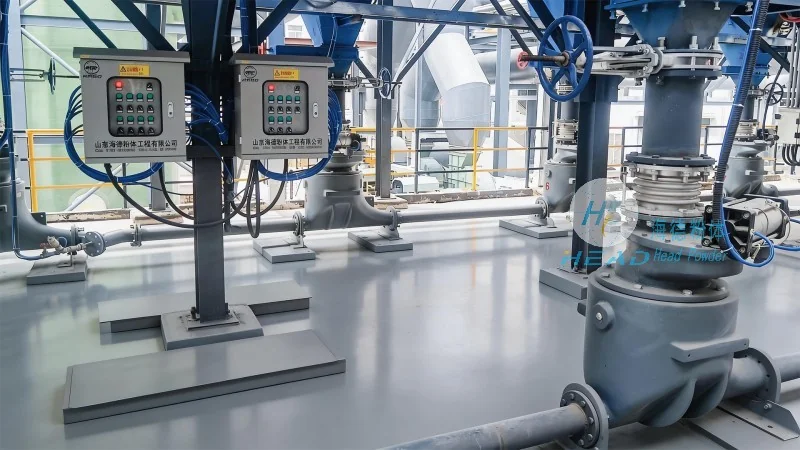
Working Principle of Coal Ash Material Pneumatic Conveying Lines
The working principle of coal ash material pneumatic conveying lines is based on the principle of pneumatic transport, where solid particles are suspended and transported by a moving air stream. The system operates by creating a pressure differential between the inlet and outlet of the pipeline. The blower generates a high-pressure airflow at the inlet, which pulls the coal ash particles into the pipeline. The particles are then carried through the pipeline by the airflow, with the system maintaining consistent pressure and flow rates to prevent blockages and ensure efficient transport.
The selection of appropriate air velocities is a critical factor in the system's performance. If the air velocity is too low, the coal ash particles may settle and cause blockages. If the air velocity is too high, the system may experience excessive energy consumption and wear on the components. Shandong HeadPowder Engineering Co., Ltd. carefully designs the system to achieve the optimal air velocity for the specific material being conveyed, ensuring maximum efficiency and reliability.
Advantages of Coal Ash Material Pneumatic Conveying Lines
Coal ash material pneumatic conveying lines offer several advantages over traditional material handling methods. These advantages include:

- Efficiency: The systems are highly efficient in transporting bulk materials over long distances, with minimal energy loss.
- Space Savings: The compact design of the system requires less space compared to traditional conveyors, making it suitable for facilities with limited space.
- Dust Control: The enclosed system prevents dust emissions, improving air quality and reducing the risk of respiratory problems for workers.
- Flexibility: The system can be easily modified or expanded to accommodate changes in production requirements or facility layout.
- Low Maintenance: The components are designed for durability and low maintenance, reducing operational costs over the system's lifespan.
Applications of Coal Ash Material Pneumatic Conveying Lines
Coal ash material pneumatic conveying lines are widely used in various industrial applications, including:
- Power Plants: In power plants, these systems are used to transport coal ash from the boiler to the storage or disposal area. The systems help to reduce the risk of dust emissions and improve the overall efficiency of the plant.
- Cement Factories: Cement factories use pneumatic conveying lines to transport raw materials and finished products, such as cement, to different parts of the facility. The systems ensure that the materials are handled in a clean and controlled manner.
- Waste Management Facilities: Waste management facilities use these systems to transport coal ash and other waste materials to processing or disposal sites. The systems help to maintain a clean and safe working environment.
Conclusion
Coal ash material pneumatic conveying lines are essential components in modern industrial operations, providing efficient and reliable transport of bulk materials. Shandong HeadPowder Engineering Co., Ltd. specializes in designing and implementing these systems, leveraging its expertise to deliver high-quality solutions that meet the specific needs of its clients. By understanding the operation process and working principles of these systems, industrial facilities can optimize their material handling processes and improve overall operational efficiency.