

Operation Process and Working Principle of Pneumatic Conveying Equipment for Synthetic Fiber Materia
HeadPowder, a leading manufacturer based in Shandong, China, specializes in the design and production of advanced pneumatic conveying equipment tailored for synthetic fiber materials. This article provides a detailed overview of the operational process and working principles of such equipment, highlighting key components, operational steps, and the technical advantages that ensure efficient material handling in industrial applications.

Introduction to Synthetic Fiber Pneumatic Conveying Systems
Synthetic fiber materials, such as polyester, nylon, and acrylic fibers, are widely used in various industries including textiles, automotive, and construction. Handling these materials efficiently and safely is crucial for maintaining production quality and minimizing operational costs. Pneumatic conveying systems offer a non-contact, dust-free, and flexible solution for transporting synthetic fibers over short to medium distances. The equipment typically consists of a series of components that work in concert to move the material from the source to the destination, ensuring minimal degradation and optimal performance.
Key Components of Pneumatic Conveying Equipment
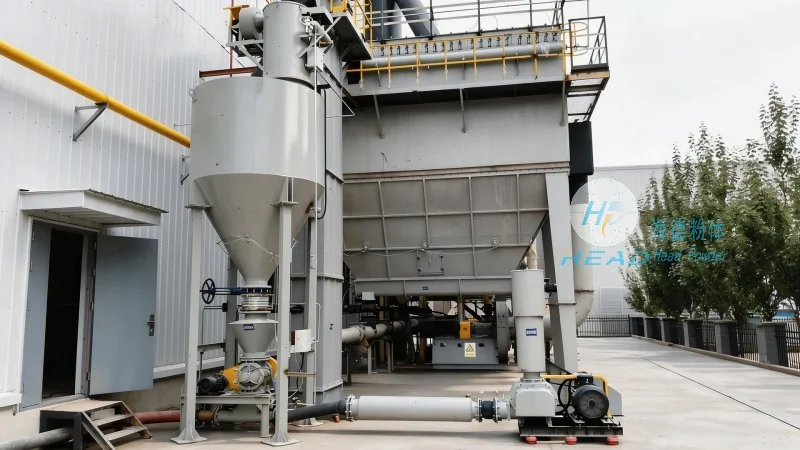
The core components of a synthetic fiber pneumatic conveying system include the material hopper, feeder, air compressor, conveying pipes, control valves, and the receiving hopper. Each component plays a critical role in the overall operation. The material hopper stores the synthetic fibers and provides a controlled feed to the feeder. The feeder, often a rotary valve or a screw feeder, regulates the flow rate of the material into the conveying line. The air compressor generates the necessary air pressure to create the airflow that propels the fibers through the pipes. The conveying pipes are designed with smooth internal surfaces to minimize friction and material buildup. Control valves, such as butterfly or ball valves, are used to regulate the air flow and pressure, ensuring stable operation. Finally, the receiving hopper collects the conveyed fibers at the destination point.
Operation Process of Synthetic Fiber Pneumatic Conveying
The operation of a synthetic fiber pneumatic conveying system follows a systematic sequence of steps. Initially, the synthetic fibers are loaded into the material hopper. The feeder then starts to rotate, releasing a controlled amount of material into the conveying line. Simultaneously, the air compressor activates, generating high-pressure air that enters the conveying pipes. The air and fibers mix as they travel through the pipes, with the air pressure creating a positive pressure that moves the fibers forward. The conveying process continues until the material reaches the receiving hopper. At this point, the control valves may adjust the air flow to slow down or stop the material flow, ensuring a smooth transition. The entire process is typically automated, with sensors and control systems monitoring the flow rate, pressure, and material level to maintain optimal performance.

Working Principle of Pneumatic Conveying for Synthetic Fibers
The working principle of pneumatic conveying for synthetic fibers is based on the principle of fluidization and drag force. When high-pressure air is introduced into the conveying pipes, it creates a turbulent flow that lifts and transports the fibers. The air velocity is maintained above the minimum fluidization velocity, which is the speed at which the fibers are suspended and moved through the system. This principle ensures that the fibers are conveyed without damage, as the air flow prevents them from colliding with the pipe walls or each other. The system can operate in either positive pressure or negative pressure modes. In positive pressure systems, the air is forced into the conveying line, pushing the fibers forward. In negative pressure systems, the air is drawn out of the line, creating a vacuum that pulls the fibers. For synthetic fibers, positive pressure systems are more commonly used due to their ability to handle larger volumes and longer distances with less pressure drop.
Advantages of Synthetic Fiber Pneumatic Conveying Equipment
Using pneumatic conveying equipment for synthetic fibers offers several advantages over traditional methods like belt conveyors or bucket elevators. Firstly, it provides a dust-free and clean operation, which is essential for maintaining product quality and worker safety. The non-contact handling prevents contamination and degradation of the fibers, ensuring that the final product meets the required standards. Secondly, the system offers high flexibility, allowing for changes in the conveying route and material flow without major modifications. This adaptability is particularly valuable in dynamic production environments where material requirements may change frequently. Thirdly, the equipment is relatively compact and easy to install, requiring less floor space compared to other bulk material handling systems. Additionally, the automated control systems enhance operational efficiency, reducing labor costs and minimizing downtime. These advantages make pneumatic conveying a preferred choice for industries dealing with synthetic fibers.
Applications and Industrial Use Cases
Synthetic fiber pneumatic conveying equipment is widely used in various industrial applications. In the textile industry, it is used to transport polyester or nylon fibers from storage to spinning machines, ensuring a continuous and clean supply of raw materials. In the automotive industry, the equipment is employed to convey acrylic fibers used in the production of interior components, such as seat fabrics and insulation materials. The construction industry also benefits from this technology, as synthetic fibers are used in composite materials for building structures, and the pneumatic conveying system efficiently transports these materials to the construction site. Additionally, in the packaging industry, synthetic fibers are used in the manufacturing of non-woven fabrics, and the equipment ensures a consistent and high-quality feed of fibers to the production lines. These applications highlight the versatility and effectiveness of the pneumatic conveying system in handling synthetic fibers across different sectors.
Maintenance and Operational Considerations
Proper maintenance is crucial to ensure the long-term performance and reliability of synthetic fiber pneumatic conveying equipment. Regular inspections of the material hopper and feeder are necessary to prevent material buildup and blockages. The air compressor should be checked for proper oil levels and filter maintenance to ensure consistent air quality. The conveying pipes should be inspected for any signs of wear or damage, such as cracks or corrosion, which could affect the material flow. Control valves and sensors should be calibrated regularly to maintain accurate pressure and flow control. Additionally, the system should be cleaned periodically to remove any accumulated fibers or debris, which can reduce efficiency and cause operational issues. Proper training of operators on the system's operation and maintenance is also essential to prevent accidents and ensure optimal performance. By following these maintenance practices, the equipment can operate efficiently for extended periods, minimizing downtime and maintenance costs.
Conclusion
HeadPowder's pneumatic conveying equipment for synthetic fiber materials exemplifies advanced engineering and technical expertise. The operation process and working principles of these systems ensure efficient, safe, and reliable material handling, meeting the demands of modern industrial applications. By understanding the key components, operational steps, and technical advantages, industries can leverage this technology to enhance productivity, maintain product quality, and reduce operational costs. As a leading manufacturer based in Shandong, China, HeadPowder continues to innovate and provide high-quality solutions tailored to the specific needs of synthetic fiber processing, contributing to the growth and efficiency of various industries.