

Operation Process and Working Principle of Zinc Oxide Material Pneumatic Conveying Equipment
For industrial applications involving the transport of zinc oxide, pneumatic conveying systems offer an efficient and reliable solution. These systems are designed to handle the unique characteristics of zinc oxide, ensuring safe and effective material transfer from source to destination. The equipment, developed by Shandong HeadPowder Engineering Co., Ltd., integrates advanced engineering principles to optimize performance in various operational scenarios.

Working Principle of Pneumatic Conveying Systems
The core of the pneumatic conveying equipment is the air flow mechanism that propels zinc oxide particles through a pipeline. The system typically operates by creating a pressure differential or using vacuum to draw the material into the conveying line. As air is introduced, it creates a fluidized state within the hopper, allowing the zinc oxide to be entrained and transported. The design incorporates components such as feeders, cyclones, and filters to manage the flow and ensure the material remains in a consistent state during transit. This approach minimizes the risk of material degradation and ensures that the zinc oxide reaches its destination with minimal loss or contamination.
Key Components and Their Functions
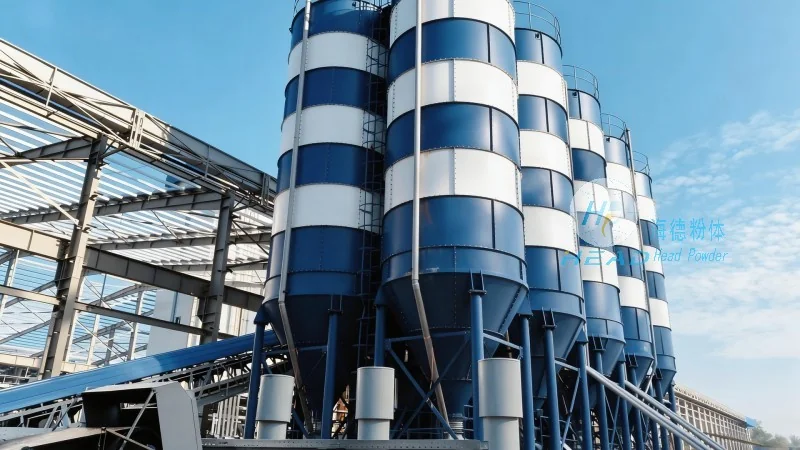
The pneumatic conveying system for zinc oxide consists of several critical components, each playing a vital role in the overall operation. The hopper serves as the storage and feeding unit, where zinc oxide is loaded and prepared for transport. The feeder, often a rotary or vibratory type, regulates the flow rate of the material into the conveying line, ensuring a steady supply. The pipeline network connects the hopper to the discharge point, with the air flow system maintaining the necessary pressure or vacuum. Cyclones are used to separate the air from the zinc oxide particles at the discharge end, allowing the material to be collected efficiently. Filters may be included to capture any fine particles or dust, enhancing the system's environmental compliance and operational safety. Each component is engineered to handle the specific properties of zinc oxide, such as its fine particle size and potential for static charge, ensuring optimal performance.
Operation Process Flow
The operation of the zinc oxide pneumatic conveying equipment follows a systematic process that begins with material loading and ends with discharge. Initially, zinc oxide is loaded into the hopper, which is equipped with a level indicator to monitor the material inventory. The feeder then activates, controlling the flow rate based on the system's requirements. Air is introduced into the system, creating a pressure that lifts the zinc oxide particles and propels them through the pipeline. The conveying line may include bends or expansions to accommodate changes in direction or volume. At the discharge end, the cyclone separates the air from the material, directing the zinc oxide into a collection bin. The air, now filtered if necessary, is released back into the environment or recirculated. This continuous process ensures that the zinc oxide is transported efficiently and safely, with minimal downtime or operational issues.
Advantages of Using Pneumatic Conveying for Zinc Oxide
Employing pneumatic conveying systems for zinc oxide offers several advantages over traditional methods like belt conveyors or bucket elevators. The primary benefit is the ability to handle fine and dusty materials without the risk of clogging or material degradation. The enclosed system prevents dust emissions, reducing environmental impact and improving workplace safety. Additionally, the equipment allows for precise control over flow rates and pressure, enabling consistent material transfer even in varying conditions. The system is also compact and can be integrated into existing industrial setups, minimizing space requirements. Furthermore, the lack of mechanical contact with the material reduces the risk of contamination, which is critical for applications where zinc oxide is used in pharmaceutical or chemical processes. These advantages make pneumatic conveying an ideal choice for industries requiring high-quality, reliable material transport of zinc oxide.

Application Scenarios and Industry Use
Zinc oxide pneumatic conveying equipment is widely used in various industrial sectors where the material is processed or used as an ingredient. In the chemical industry, it is employed in the production of rubber, plastics, and pharmaceuticals, where consistent material handling is essential. The food industry may also utilize such systems for processing zinc oxide as a food additive, ensuring compliance with safety standards. Additionally, in the manufacturing of cosmetics and personal care products, the equipment helps maintain the purity and quality of zinc oxide, which is a key component in many formulations. The versatility of the system allows it to adapt to different production scales, from small-scale laboratory applications to large-scale industrial manufacturing. This adaptability makes it a preferred solution for companies like Shandong HeadPowder Engineering Co., Ltd., which serves diverse clients across multiple industries.
Maintenance and Operational Considerations
Proper maintenance is crucial to ensure the long-term efficiency and reliability of the zinc oxide pneumatic conveying equipment. Regular inspection of components such as the hopper, feeder, and cyclones is necessary to detect any signs of wear or blockage. Cleaning the system, especially the filters and cyclones, prevents the accumulation of dust and ensures optimal air flow. Monitoring the pressure and flow rates during operation helps identify any deviations that may indicate issues with the system. The use of appropriate materials for the construction of the pipeline and components is essential to prevent corrosion or wear from the zinc oxide particles. Additionally, training operators on the proper use and maintenance of the equipment is vital to minimize downtime and ensure safe operation. By adhering to these maintenance practices, companies can maximize the lifespan of their pneumatic conveying systems and maintain consistent performance in transporting zinc oxide.