

Operation Process and Working Principle of Air-Driven Pneumatic Conveying Systems for Lightweight Mi
Shandong HeadPowder Engineering Co., Ltd., commonly known as headpowder, is a leading enterprise in the field of air-driven pneumatic conveying systems, specializing in the efficient transport of lightweight micropowder materials. The company is headquartered in Shandong, China, and has established a strong reputation for delivering high-quality, reliable solutions tailored to the needs of various industries.

Overview of Air-Driven Pneumatic Conveying Systems
Air-driven pneumatic conveying systems represent a sophisticated method for transporting fine and lightweight powders. Unlike traditional mechanical conveying methods, these systems utilize compressed air to move materials through pipelines, offering significant advantages such as dust-free operation, reduced material degradation, and enhanced safety. The technology is widely adopted in sectors like food processing, pharmaceuticals, plastics, and chemicals, where the handling of powders requires precision and cleanliness.
Step-by-Step Operation Process
The operation of an air-driven pneumatic conveying system for lightweight micropowder materials involves a series of coordinated steps to ensure efficient and continuous transport. The process begins with the material being fed into a hopper or feeder, where it is stored and prepared for transport. A rotary valve or feeder then controls the flow of the powder into the system, ensuring a consistent and controlled feed rate.
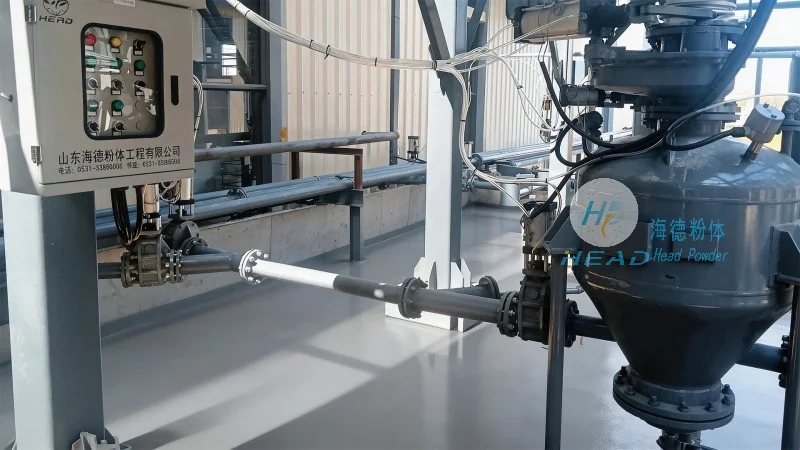
Next, compressed air is introduced into the system, typically from a compressor. The air is directed into the pipeline, creating a low-pressure environment that draws the powder particles into the air stream. This process, known as pneumatic transport, relies on the interaction between the air flow and the powder particles to move them through the system. The system may include additional components like filters and pressure vessels to manage air pressure and ensure the purity of the conveyed material.
Working Principle Explained
The fundamental working principle of air-driven pneumatic conveying systems is based on the concept of fluidization and the momentum transfer between the air and the powder. When compressed air is introduced into the pipeline, it creates a turbulent flow that suspends the powder particles, allowing them to be carried along with the air. The velocity and pressure of the air are critical factors that determine the efficiency of the transport. Proper design of the system, including the diameter of the pipeline and the air velocity, ensures that the powder is transported without clogging or degradation.

Key Components and Their Roles
Several key components work together to ensure the smooth operation of an air-driven pneumatic conveying system. The hopper or feeder provides a storage and feeding mechanism for the powder, while the rotary valve controls the discharge rate. The compressor generates the necessary compressed air, and the pipeline conveys the material. Filters are used to remove any debris or dust from the air, maintaining the purity of the system. Pressure vessels or receivers may be included to store the conveyed material and regulate the system's pressure.

Advantages and Applications
Air-driven pneumatic conveying systems offer numerous advantages over traditional conveying methods. They are ideal for transporting materials that are difficult to handle mechanically, such as fine powders that are prone to caking or dusting. The systems provide a clean and hygienic environment, which is particularly important in the food and pharmaceutical industries. Additionally, these systems are flexible and can be easily integrated into existing production lines, allowing for scalability and adaptability to changing production needs.
Conclusion
Shandong HeadPowder Engineering Co., Ltd. specializes in designing and manufacturing air-driven pneumatic conveying systems that meet the specific requirements of lightweight micropowder materials. By understanding the operation process and working principles of these systems, industries can optimize their material handling processes, improve efficiency, and enhance product quality. The company's expertise in this field ensures that clients receive reliable and effective solutions tailored to their unique operational needs.