

Operation Process and Working Principle of Straw Ash Material Conveying Equipment
Straw ash material conveying equipment is a specialized device designed for the efficient transport of straw ash, a byproduct from biomass combustion processes. This equipment plays a crucial role in the agricultural and energy sectors, facilitating the movement of straw ash from production sites to storage or processing facilities. The design and operation of such equipment are tailored to handle the unique characteristics of straw ash, including its granular or powdery nature and varying moisture content. By understanding the operation process and working principle of this equipment, users can optimize its performance and ensure safe, efficient material handling.

Company Overview: Shandong HeadPowder Engineering Co., Ltd.
HeadPowder, a leading manufacturer in the field of material handling solutions, specializes in the development and production of advanced conveying equipment. With a strong focus on innovation and quality, the company has established itself as a trusted partner for clients in the agricultural and energy industries. HeadPowder's products are engineered to meet the specific demands of straw ash handling, offering reliable and efficient solutions that enhance operational productivity. The company's headquarters is located in Shandong, China, where it maintains a state-of-the-art manufacturing facility and a dedicated research and development team.

Key Components and Working Principle
The straw ash material conveying equipment typically consists of several key components, each playing a vital role in the overall operation. The primary components include a feeding mechanism, a conveyor system (such as a screw conveyor or pneumatic conveyor), a control unit, and a discharge system. The feeding mechanism is responsible for introducing the straw ash into the equipment, ensuring a consistent and controlled flow. The conveyor system then transports the material through the system, utilizing mechanical or pneumatic forces to move the ash from the inlet to the outlet. The control unit monitors and regulates the operation of the equipment, adjusting parameters such as speed and pressure to maintain optimal performance. The discharge system ensures that the material is safely and efficiently released from the equipment, preventing blockages and ensuring smooth operation.
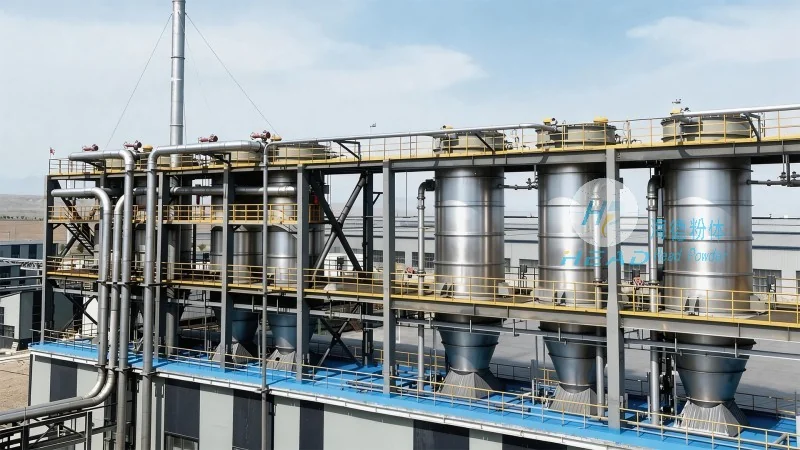
Operation Process: Step-by-Step
The operation of straw ash material conveying equipment follows a systematic process, which can be broken down into several key steps. First, the straw ash is fed into the equipment through the feeding mechanism. The material is then conveyed through the conveyor system, which may involve a screw rotating to push the ash forward or a pneumatic system using air pressure to transport the material. The control unit continuously monitors the system, adjusting the conveyor speed or air pressure as needed to maintain a steady flow. As the material reaches the discharge point, it is released into a storage container or processing unit. Throughout the process, the equipment is designed to handle variations in material characteristics, such as changes in moisture content or particle size, ensuring consistent performance. Regular maintenance and monitoring are essential to ensure the equipment operates efficiently and safely.

Advantages and Applications
Straw ash material conveying equipment offers several advantages, making it an ideal solution for various applications. The equipment is designed to handle large volumes of straw ash, reducing the need for manual handling and improving operational efficiency. The use of advanced materials and engineering ensures durability and long service life, minimizing maintenance costs. The equipment is also suitable for handling materials with varying characteristics, making it versatile for different industrial and agricultural settings. Applications of this equipment include biomass power plants, agricultural waste processing facilities, and recycling centers, where straw ash needs to be transported from production sites to storage or further processing. By using this equipment, businesses can enhance their material handling capabilities, reduce labor costs, and improve overall operational productivity.