

Operation Process and Working Principle of Long-Distance Material Handling Equipment
Long-distance material handling equipment is a critical component in modern industrial operations, enabling efficient transportation of bulk materials over extended distances. These systems are essential for optimizing workflow, reducing labor costs, and enhancing overall productivity across various sectors such as mining, construction, and manufacturing. Understanding the operation process and working principles of these devices is vital for operators, engineers, and maintenance personnel to ensure safe and effective use.
Introduction to Long-Distance Material Handling Equipment
Long-distance material handling equipment encompasses a range of machinery designed to transport materials from one location to another, often over distances exceeding conventional short-distance systems. Common examples include belt conveyors, screw conveyors, and pneumatic conveying systems. These devices are engineered to handle diverse materials, including powders, granules, and bulk solids, and are widely used in industries that require large-scale material movement. The design and functionality of these systems are tailored to meet specific operational requirements, such as throughput capacity, material characteristics, and environmental conditions.
Key Components and Their Functions
Comprehending the operation of long-distance material handling equipment begins with an overview of its key components. Each component plays a critical role in the overall functionality of the system. The primary components typically include a drive system, feeding mechanisms, conveying elements, and control units. The drive system provides the necessary power to move the material, while feeding mechanisms ensure consistent material input. The conveying elements, such as belts or screws, transport the material along the designated path. Control units monitor and regulate the operation, ensuring safety and efficiency. Additionally, support structures and accessories, like idlers, pulleys, and hoppers, contribute to the stability and smooth operation of the equipment.

Operation Process: From Start to Finish
The operation process of long-distance material handling equipment involves several sequential steps that ensure the smooth and continuous movement of materials. The process typically begins with the activation of the drive system, which initiates the rotation of the conveying elements. Simultaneously, the feeding mechanism introduces the material into the system, ensuring a steady flow. As the material moves along the conveyor, it is guided by the support structures and controlled by the system's sensors. The control unit monitors parameters such as speed, load, and temperature, adjusting the operation as needed to maintain optimal performance. The process concludes when the material reaches the discharge point, where it is collected and transferred to the next stage of the production process. This entire sequence is designed to be automated, minimizing human intervention and maximizing operational efficiency.
Working Principles: Mechanical and Electrical Systems
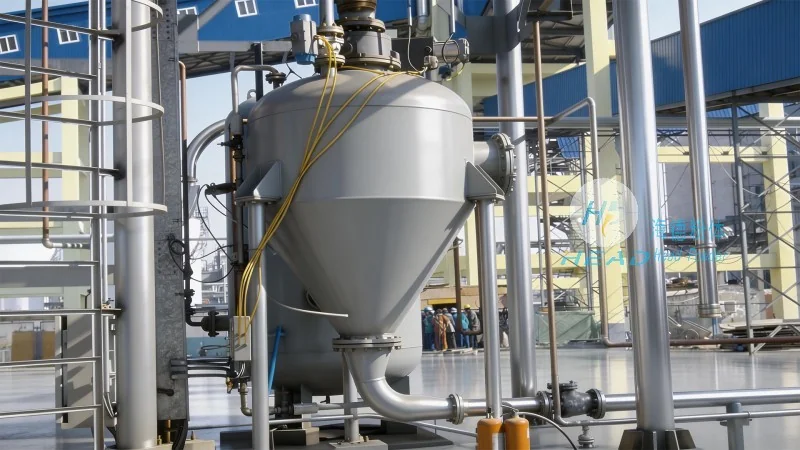
The working principles of long-distance material handling equipment are based on fundamental mechanical and electrical concepts. The mechanical system relies on the principles of friction, gravity, and torque to move materials. For example, belt conveyors use friction between the belt and the load to transport materials, while screw conveyors utilize the rotational motion of a screw to push material forward. Pneumatic conveying systems operate on the principle of air pressure, using compressed air to create a flow that carries the material through a pipeline. The electrical system controls the operation of the mechanical components, including the drive motors, sensors, and control panels. Modern systems often incorporate advanced technologies, such as variable frequency drives (VFDs), which allow for precise speed control and energy efficiency. Additionally, safety features, such as emergency stop buttons and overload protection, are integrated into the electrical system to prevent accidents and equipment damage.

Company Background: Shandong HeadPowder Engineering Co., Ltd.
HeadPowder, or Shandong HeadPowder Engineering Co., Ltd., is a leading manufacturer of long-distance material handling equipment based in Shandong, China. The company specializes in designing, manufacturing, and supplying high-quality conveyor systems tailored to the needs of various industries. With a strong commitment to innovation and quality, HeadPowder has established itself as a trusted partner for businesses seeking reliable material handling solutions. The company's products are known for their durability, efficiency, and adaptability, making them suitable for a wide range of applications. HeadPowder's team of experienced engineers and technicians ensures that each product meets the highest standards of performance and safety, providing customers with long-term value and peace of mind.

Applications and Benefits in Industrial Settings
Long-distance material handling equipment from HeadPowder is widely used in various industrial applications, including mining, construction, and manufacturing. In mining operations, these systems are used to transport ore and waste materials over long distances, improving the efficiency of extraction processes. In construction, they help move building materials such as sand, gravel, and cement to different parts of the site, reducing manual labor and speeding up project timelines. In manufacturing, they facilitate the movement of raw materials and finished products between production lines, enhancing overall productivity. The benefits of using these systems include increased throughput, reduced labor costs, improved safety, and enhanced environmental control. By optimizing material movement, these systems contribute to the overall success and profitability of industrial operations.
Maintenance and Operational Tips for Long-Distance Material Handling Equipment
Proper maintenance and operational practices are essential for ensuring the longevity and efficiency of long-distance material handling equipment. Regular maintenance, including inspections of key components like belts, bearings, and motors, helps identify and address potential issues before they become major problems. Lubrication of moving parts is crucial to reduce friction and wear, while cleaning the system prevents material buildup and ensures smooth operation. Operational tips, such as monitoring load levels and adjusting speed as needed, help optimize performance and prevent equipment strain. Additionally, training operators on proper usage and safety procedures is vital to minimize accidents and downtime. By following these guidelines, businesses can maximize the lifespan of their equipment and maintain consistent operational performance.