

Operation Process and Working Principle of Masterbatch Granule Material Conveying System
The Masterbatch Granule Material Conveying System is a critical infrastructure in the masterbatch production and processing chain. Masterbatch, a concentrated form of pigment or additive used to color or modify polymers, relies on efficient material transport to ensure consistent quality and production efficiency. This system is designed to move masterbatch granules from storage silos or hoppers to processing equipment such as extruders, mixers, or pelletizers. As a leading manufacturer in the field, Shandong HeadPowder Engineering Co., Ltd. specializes in developing advanced conveying solutions that meet the stringent requirements of the masterbatch industry. The system’s design emphasizes reliability, durability, and minimal maintenance, making it a preferred choice for clients seeking to optimize their production processes.


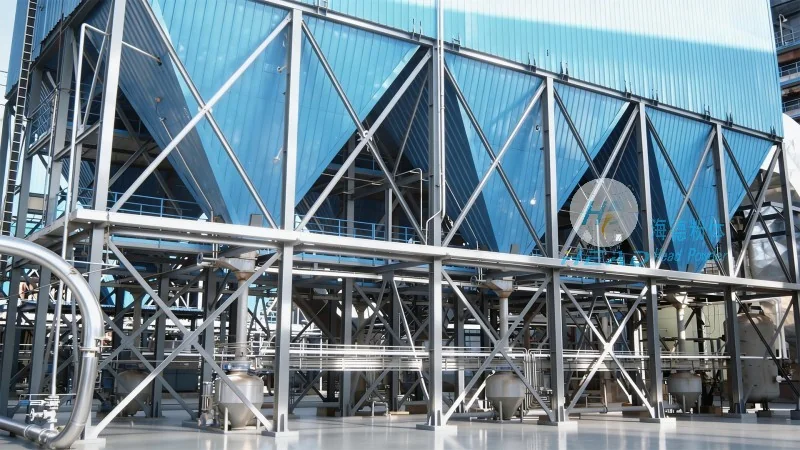
Key Components and Their Functions
The Masterbatch Granule Material Conveying System comprises several interconnected components, each playing a vital role in the overall operation. The primary components include a storage hopper, a material feeder, a conveying mechanism (such as a screw conveyor or pneumatic system), and a control unit. The storage hopper is typically made of stainless steel or other corrosion-resistant materials to protect the masterbatch granules from contamination and moisture. It is equipped with a sloped bottom to facilitate the flow of granules into the feeder. The feeder, often a rotary valve or screw feeder, regulates the flow rate of the granules, ensuring a steady and controlled discharge. This component is crucial for preventing overloading or underflow, which could lead to system inefficiencies or material waste. The conveying mechanism transports the granules from the feeder to the processing equipment. Screw conveyors use rotating screws to push the granules forward, while pneumatic systems utilize air pressure to move the granules through pipes. Both mechanisms are designed to handle different granule sizes and densities, providing flexibility in operation. The control unit monitors the entire system, adjusting parameters such as speed, pressure, and flow rate based on real-time feedback. This automation ensures that the system operates smoothly and efficiently, minimizing downtime and maximizing productivity.