

Operation Process and Working Principle of Cereal Material Conveying
For manufacturers in the cereal processing industry, efficient and reliable material conveying systems are crucial for maintaining production efficiency and product quality. The operation process and working principle of cereal material conveying systems involve several key components and steps that ensure smooth material handling from raw material intake to final product packaging. This article provides a detailed overview of the typical operation process and working principles of cereal material conveying systems, highlighting the role of key equipment and the importance of system integration. As a leading provider of engineering solutions, Shandong HeadPowder Engineering Co., Ltd. specializes in designing and manufacturing customized conveying systems tailored to the unique needs of the cereal processing industry.

Key Components of Cereal Material Conveying Systems
The core components of a cereal material conveying system typically include feeders, conveyors, elevators, and control systems. Feeders are responsible for accurately measuring and dispensing raw cereal materials into the conveying line. Common types of feeders used in cereal processing include screw feeders, belt feeders, and vibratory feeders, each designed to handle different material characteristics such as moisture content, bulk density, and flowability. Conveyors, often in the form of belt conveyors or bucket elevators, transport the cereal materials horizontally or vertically. The choice of conveyor type depends on the material's properties and the required conveying distance. Elevators are used to lift materials to higher levels, while control systems monitor and regulate the entire process to ensure consistent performance and prevent equipment damage.
The Operation Process of Cereal Material Conveying
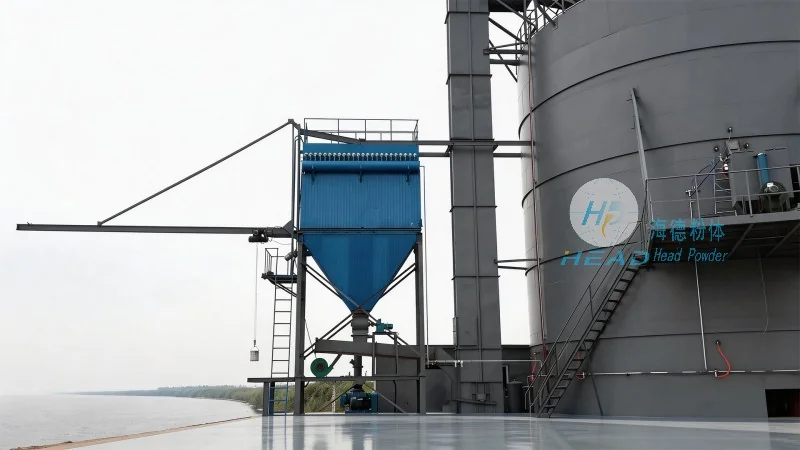
The operation process of a cereal material conveying system generally follows a sequential workflow. First, raw cereal materials are received and stored in silos or bulk storage tanks. From there, the materials are transferred to the feeder via a hopper or chute. The feeder then measures and releases the material at a controlled rate into the conveyor system. The conveyor transports the material to the next processing stage, such as a mixer or dryer. If vertical movement is required, a bucket elevator or vertical conveyor is used to lift the material to the desired height. Throughout the process, sensors and control devices monitor parameters like flow rate, pressure, and temperature to maintain optimal conditions. The system may also include cleaning mechanisms to prevent material buildup and ensure hygiene, which is critical in food processing applications.

Working Principle of Cereal Material Conveying Equipment
The working principle of each component in the cereal material conveying system is designed to address specific material handling challenges. For example, screw feeders operate by rotating a screw within a tube, which pushes the material forward through the feeder. The speed of the screw determines the flow rate, allowing for precise control over material input. Belt conveyors use a continuous belt that moves over rollers, carrying the material along the conveyor path. The tension and speed of the belt can be adjusted to accommodate different material loads and conveying distances. Bucket elevators, on the other hand, use a series of buckets attached to a chain or belt that moves vertically. As the buckets rise, they fill with material and then discharge it at the top, providing efficient vertical transport. Control systems use sensors to detect material levels, conveyor speed, and potential blockages, triggering alarms or adjustments to maintain system stability. This integrated approach ensures that the conveying process is both efficient and safe, minimizing downtime and maximizing productivity.

Importance of System Integration and Maintenance
Effective operation of cereal material conveying systems relies heavily on system integration and regular maintenance. Integration ensures that all components work in harmony, with the feeder, conveyor, and control system communicating to maintain consistent material flow. Regular maintenance, including cleaning, lubrication, and component inspection, is essential to prevent wear and tear, reduce downtime, and ensure long-term reliability. For manufacturers, investing in a well-designed and properly maintained conveying system can lead to significant improvements in production efficiency, product quality, and overall operational costs. By understanding the operation process and working principles of these systems, businesses can make informed decisions about equipment selection and maintenance strategies, ultimately enhancing their competitive position in the cereal processing industry.