

Operation Process and Working Principle of Automatic Quantitative Material Conveying
Automatic quantitative material conveying systems are sophisticated industrial solutions designed to handle the precise and efficient transfer of bulk materials in various manufacturing and processing applications. These systems are integral to modern production lines, ensuring consistent material flow and accurate dosing for downstream operations. The technology behind such systems combines mechanical engineering, control systems, and material handling expertise to deliver reliable performance under diverse operational conditions.

About Shandong HeadPowder Engineering Co., Ltd.
Shandong HeadPowder Engineering Co., Ltd., commonly known as headpowder, is a leading manufacturer specializing in the design, development, and supply of advanced material handling equipment. With a strong focus on innovation and customer-centric solutions, the company has established itself as a trusted partner in the industry, serving clients across multiple sectors including pharmaceuticals, food processing, chemical manufacturing, and more. HeadPowder's commitment to quality and precision is reflected in its state-of-the-art production facilities and rigorous quality control processes, ensuring that every product meets the highest industry standards.
Operation Process of Automatic Quantitative Material Conveying
The operation of an automatic quantitative material conveying system typically involves several key stages, each designed to ensure accurate and consistent material transfer. The process begins with the intake of bulk material from a storage hopper or silo. A feeder mechanism, often a rotary valve or a vibratory feeder, then regulates the flow of material into the conveying line. This feeder is controlled by a programmable logic controller (PLC) or a digital control system, which adjusts the flow rate based on real-time production requirements and material characteristics. The material is then transported through a pipeline or conveyor system, where it may be subjected to additional processing steps such as mixing, blending, or temperature control, depending on the application.

At the discharge end, the system employs a precise dosing mechanism to deliver the required quantity of material. This mechanism may include a gravimetric scale, a volumetric meter, or a combination of both, ensuring that the output meets the specified weight or volume parameters. The dosing unit is integrated with the control system, allowing for automatic adjustments to compensate for variations in material density, moisture content, or other factors that could affect the accuracy of the transfer. Once the material is dispensed, it is directed to the next stage of the production process, such as packaging, further processing, or storage.

Working Principle of Automatic Quantitative Material Conveying
The working principle of an automatic quantitative material conveying system is rooted in the integration of mechanical components and advanced control technologies. At its core, the system relies on a feedback loop that continuously monitors the material flow and adjusts the input to maintain the desired output. The control system uses sensors and transducers to measure parameters such as flow rate, pressure, and temperature, feeding this data into the PLC or digital controller. The controller then processes the information and sends signals to the feeder and dosing mechanisms to optimize performance. For example, if the measured flow rate deviates from the setpoint, the controller will adjust the feeder speed or position to bring it back to the target value. This closed-loop control ensures high accuracy and repeatability, even with varying material properties or changing production demands.
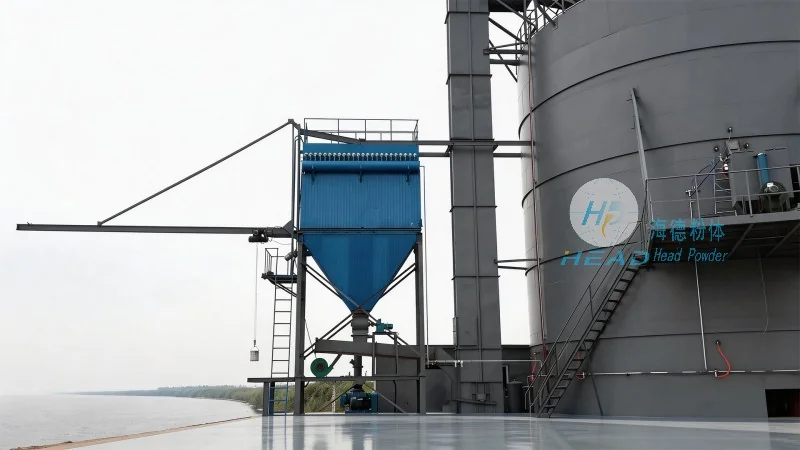
Gravimetric systems, a common type of quantitative conveying system, operate by measuring the weight of material being conveyed over a known time period. The system uses load cells to detect the weight of the material in the conveyor or hopper, and a scale to calculate the mass flow rate. By integrating the mass flow rate over time, the system can determine the total quantity of material transferred. This method is highly accurate and is particularly suitable for applications where precise weight measurement is critical, such as in pharmaceutical manufacturing or food processing. Volumetric systems, on the other hand, measure the volume of material passing through the system, often using rotary or sliding valves to control the flow. While less precise than gravimetric systems, volumetric conveyors are simpler and more cost-effective for applications where high accuracy is not a primary requirement.
Company Location and Contact Information
HeadPowder Engineering Co., Ltd. is headquartered in Shandong, China, with state-of-the-art manufacturing facilities and research and development centers. The company's location in Shandong provides easy access to major transportation networks and a skilled workforce, enabling efficient production and timely delivery of products to clients worldwide. The company's commitment to quality and customer satisfaction is reflected in its comprehensive after-sales support services, including technical assistance, maintenance, and spare parts supply. By leveraging its expertise in material handling technology, HeadPowder continues to deliver innovative solutions that enhance operational efficiency and productivity for its clients.