

Operation Process and Working Principle of Kaolin Powder Conveying System
For industrial applications, the efficient and reliable transportation of kaolin powder is crucial for maintaining production efficiency and product quality. The operation process and working principle of a specialized kaolin powder conveying system are designed to address these needs by ensuring stable material flow, minimal dust generation, and optimal control. This article provides a detailed overview of how such a system operates, highlighting key components, operational steps, and the underlying principles that enable smooth powder handling.

System Overview and Key Components
The kaolin powder conveying system typically consists of several interconnected components that work in harmony to transport the material from the source to the destination. These components include a hopper for material storage, a feeder to regulate the flow rate, a conveyor or pneumatic transport system for actual movement, and a control unit to manage the entire process. Each component plays a critical role in ensuring the system operates efficiently and safely. The hopper is designed to hold a sufficient quantity of kaolin powder, preventing material from being drawn directly from the source, which could lead to uneven flow or dust issues. The feeder, often a rotary valve or a screw feeder, precisely controls the amount of powder released into the transport system, maintaining a consistent flow rate that matches the system's capacity. The conveyor or pneumatic transport mechanism is the core of the system, responsible for moving the powder through the pipeline. In pneumatic systems, compressed air is used to create a flow that carries the powder particles, while mechanical conveyors use rotating blades or belts to push the material along. The control unit integrates sensors and actuators to monitor parameters such as pressure, flow rate, and temperature, adjusting the system's operation in real-time to maintain optimal performance.
Operation Process: Step-by-Step Guide
The operation of the kaolin powder conveying system follows a systematic sequence of steps that ensure smooth and continuous material transport. The process begins with the loading of kaolin powder into the hopper. Once the hopper is filled, the feeder starts to regulate the flow rate, releasing a controlled amount of powder into the transport line. The powder then moves through the conveyor or pneumatic system, which transports it to the desired destination, such as a storage silo, processing unit, or packaging area. Throughout the process, the control unit continuously monitors key parameters, such as pressure in pneumatic systems or speed in mechanical conveyors, to ensure the flow remains stable. If any deviations are detected, the control unit automatically adjusts the feeder speed or air pressure to maintain consistent flow. The system also includes safety features, such as dust collection systems and emergency shut-off valves, to prevent accidents and protect personnel. After the powder reaches its destination, the control unit signals the end of the cycle, and the feeder may pause or adjust its rate based on the remaining material in the hopper. This cycle repeats as needed to maintain a continuous supply of kaolin powder to the production line.
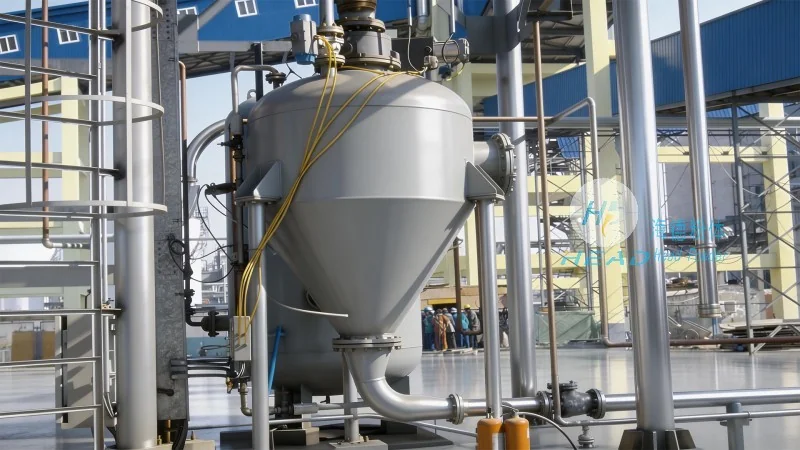
Working Principle: How the System Transfers Kaolin Powder
The working principle of the kaolin powder conveying system is based on the principles of fluid dynamics and mechanical transport. In pneumatic conveying systems, the core principle is the use of compressed air to create a flow that entrains the powder particles. As air moves through the pipeline, it carries the powder, forming a mixture known as a slurry. The air velocity is maintained above the minimum required to prevent the powder from settling or clogging the pipeline. The pressure drop along the pipeline is carefully managed to ensure the powder is transported efficiently without excessive energy consumption. In mechanical conveying systems, the principle is based on the use of rotating components, such as screws or belts, to push the powder along the conveyor. The screw conveyor, for example, uses a rotating screw to move the powder forward, while the belt conveyor uses a moving belt to transport the material. The speed of the conveyor is adjusted to match the required flow rate, and the system may include idlers and pulleys to support the belt and maintain tension. The control unit plays a crucial role in both types of systems by monitoring and adjusting the parameters to ensure the powder is transported without issues. The working principle also involves the use of materials that are compatible with kaolin powder, such as stainless steel or special coatings, to prevent contamination and ensure the system's longevity. Additionally, the system may incorporate features like vibration or agitation to prevent powder buildup and ensure smooth flow, especially in areas where the powder might settle or clog.

Benefits and Applications of the Kaolin Powder Conveying System
The kaolin powder conveying system offers several benefits that make it an ideal solution for industrial applications. One of the primary advantages is its ability to handle fine powders like kaolin without generating excessive dust, which is a common issue in traditional bulk material handling. The system's design minimizes the risk of clogging and ensures consistent flow, reducing downtime and maintenance costs. Additionally, the system can be integrated with other production equipment, such as mixers or processing units, to create a seamless production line. The control unit allows for precise regulation of the flow rate, which is essential for maintaining product quality and meeting production targets. The system is also scalable, allowing it to be adapted to different production volumes and requirements. In industries such as ceramics, paper, and coatings, where kaolin is a key raw material, the efficient transport of this powder is critical. The system's reliability and efficiency help manufacturers maintain high production standards and reduce operational costs. Furthermore, the system's design can be customized to meet specific operational needs, such as handling different particle sizes or varying moisture content in the kaolin powder. This flexibility makes the system suitable for a wide range of applications, from small-scale production to large industrial operations.
Conclusion: Ensuring Efficient Kaolin Powder Handling
In conclusion, the operation process and working principle of a kaolin powder conveying system are designed to provide efficient, reliable, and safe transportation of this important industrial material. By integrating key components such as hoppers, feeders, and transport mechanisms with advanced control systems, the system ensures consistent flow and minimal issues. The working principle, whether based on pneumatic or mechanical transport, is optimized to handle fine powders like kaolin while minimizing dust and clogging. The benefits of using such a system include improved production efficiency, reduced maintenance costs, and enhanced product quality. For companies operating in industries that rely on kaolin powder, investing in a specialized conveying system is a strategic decision that can significantly impact their operational performance. The system's design and functionality, as detailed in this article, highlight the importance of proper material handling in maintaining a competitive edge in the market. By understanding the operation process and working principle, manufacturers can optimize their processes and ensure the smooth and efficient handling of kaolin powder throughout their production cycle.