

Operation Process and Working Principle of Sand Particle Pneumatic Conveying Line
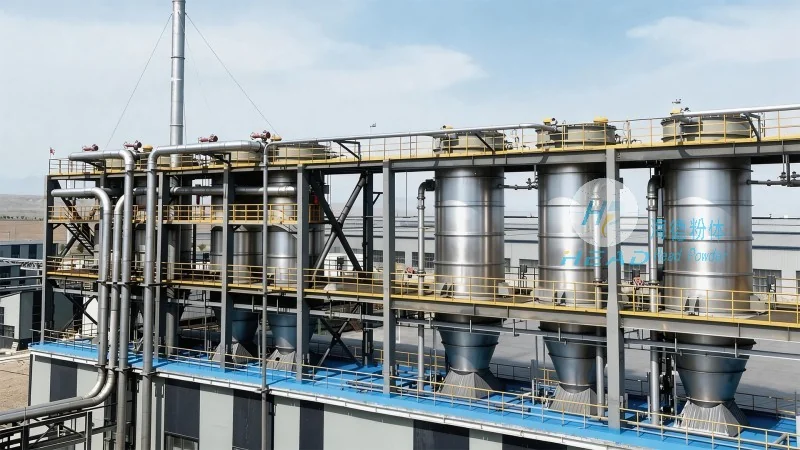
HeadPowder, a leading manufacturer based in Shandong, China, specializes in the design, manufacturing, and installation of advanced pneumatic conveying systems for various industrial applications. This article provides a detailed overview of the operation process and working principle of a sand particle pneumatic conveying line, highlighting the key components, operational steps, and technical aspects that ensure efficient and reliable material transport.

Introduction to Sand Particle Pneumatic Conveying
Sand particles, due to their size, density, and abrasive nature, present unique challenges in material handling. Traditional methods like belt conveyors or bucket elevators may not be suitable for transporting sand over long distances or in complex layouts. Pneumatic conveying offers a solution by using air pressure to move dry bulk materials through a pipeline system. This technology is particularly effective for sand, as it minimizes material degradation, reduces dust emissions, and allows for flexible system configurations.
Key Components of the Sand Particle Pneumatic Conveying System
The sand particle pneumatic conveying line typically consists of several essential components that work in tandem to achieve efficient material transport. These components include:

- Feeder: The feeder is responsible for feeding the sand particles into the conveying line at a controlled rate. It ensures a consistent flow of material, preventing blockages and maintaining system stability.
- Pneumatic Conveying Pipe: The main pipeline where the sand particles are transported. The pipe is usually made of durable materials like stainless steel or high-density polyethylene to withstand the abrasive nature of sand and the pressure of the conveying air.
- Blower or Air Compressor: This component generates the necessary air pressure to move the sand particles through the pipeline. The choice of blower (positive displacement or centrifugal) depends on the system's capacity and the specific characteristics of the sand being conveyed.
- Separation and Collection System: At the receiving end, the system includes a separator to separate the sand from the air stream. This may involve cyclones, filters, or other devices to collect the sand and return the air to the blower for recirculation.
- Control System: An automated control system monitors and regulates the operation of the conveying line, ensuring optimal performance, energy efficiency, and safety. It can adjust the air pressure, feed rate, and other parameters based on real-time conditions.
Operation Process of the Sand Particle Pneumatic Conveying Line
The operation of a sand particle pneumatic conveying line involves a series of coordinated steps to ensure smooth material transport from the source to the destination. The process typically begins with the sand being fed into the system by the feeder. The blower then generates a high-pressure air stream that pulls the sand particles into the conveying pipe. As the air and sand mixture travels through the pipeline, the sand is suspended and transported to the receiving end. At the destination, the separation system removes the sand from the air, and the sand is collected in a hopper or storage bin. The air is then filtered and returned to the blower, completing the cycle.
Working Principle of the Pneumatic Conveying System
The working principle of the sand particle pneumatic conveying line is based on the principles of fluid dynamics and particle suspension. When the blower creates a pressure differential between the inlet and outlet of the pipeline, it generates a flow of air that moves through the system. The sand particles are entrained in the air stream and remain suspended due to the air's velocity and the particle's size and density. The key to efficient conveying is maintaining the correct air velocity to keep the sand particles suspended without causing excessive wear on the pipeline or excessive energy consumption.

Advantages of Using a Sand Particle Pneumatic Conveying Line
Implementing a pneumatic conveying system for sand particles offers several advantages over traditional material handling methods. These benefits include:
- Reduced Material Degradation: The enclosed pipeline system minimizes the exposure of sand particles to external factors, preventing breakage or contamination.
- Lower Dust Emissions: The system is designed to contain dust, reducing environmental impact and improving workplace safety.
- Flexible Layouts: Pneumatic conveying allows for complex system layouts, including vertical and horizontal segments, without the need for multiple transfer points.
- Energy Efficiency: Modern systems are designed to optimize air usage, reducing energy consumption and operational costs.
- Continuous Operation: The system can operate continuously, improving production efficiency and reducing downtime.
Applications and Industries
Sand particle pneumatic conveying lines are widely used in various industries, including construction, mining, and manufacturing. In the construction industry, they are used to transport sand from storage silos to mixing plants or job sites. In mining operations, they help move sand from processing facilities to storage areas. Manufacturers of concrete, asphalt, and other building materials also rely on these systems to handle sand efficiently.
Conclusion
HeadPowder's sand particle pneumatic conveying lines are engineered to meet the demanding requirements of modern industrial applications. By understanding the operation process and working principle of these systems, users can optimize their material handling operations, improve efficiency, and reduce costs. With a focus on quality and innovation, HeadPowder continues to provide reliable solutions for the transportation of sand and other dry bulk materials.