

Operation Process and Working Principle of Brown Sugar Pneumatic Conveying Line
HeadPowder, a leading engineering firm based in Shandong, China, specializes in the design, manufacturing, and installation of advanced pneumatic conveying systems tailored for various industrial applications, including the efficient handling of brown sugar. This article delves into the operational process and underlying principles of a brown sugar pneumatic conveying line, highlighting the key components, workflow, and technical aspects that ensure optimal performance and reliability.
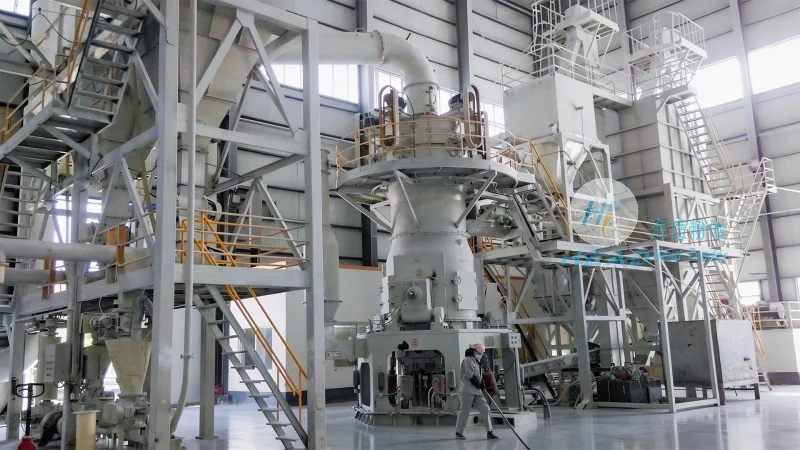
Overview of Brown Sugar Pneumatic Conveying Systems
Brown sugar, with its granular and sometimes sticky characteristics, requires specialized equipment to transport safely and efficiently from storage silos to processing or packaging areas. A pneumatic conveying line utilizes air pressure to move the material through a network of pipes, eliminating the need for mechanical components like belts or buckets that might cause contamination or damage to the product. The system typically consists of a hopper, a feeder, a conveying line, and a receiver, all integrated to form a seamless material handling solution.
Key Components of the Brown Sugar Pneumatic Conveying Line
The brown sugar pneumatic conveying line from HeadPowder incorporates several critical components that work in concert to achieve reliable material transport. The primary components include:

- Hopper: A storage vessel that holds the brown sugar, equipped with a discharge valve to regulate the flow of material into the feeder.
- Feeder: A device that controls the rate of material discharge from the hopper, ensuring a consistent and controlled feed into the conveying line. This component is crucial for maintaining uniform air-to-material ratios, which directly impacts the efficiency and stability of the conveying process.
- Pneumatic Conveying Line: The core of the system, consisting of a series of pipes through which compressed air and brown sugar are transported. The line may include expansion joints, bends, and filters to accommodate changes in direction and to prevent material buildup or blockages.
- Receiver: A container that collects the conveyed brown sugar at the destination point, such as a processing plant or packaging facility. The receiver is designed to handle the material without causing spillage or contamination.
- Compressor and Air Treatment System: The system requires a compressor to generate the necessary air pressure and an air treatment unit to filter and condition the air, removing moisture and particulates that could affect the quality of the brown sugar or damage the equipment.
Operation Process of the Brown Sugar Pneumatic Conveying Line
The operation of the brown sugar pneumatic conveying line follows a systematic sequence to ensure smooth and continuous material transport. The process begins with the brown sugar being stored in the hopper. When the system is activated, the feeder regulates the flow of sugar into the conveying line. Simultaneously, the compressor generates compressed air, which is introduced into the line at a controlled pressure. The air and sugar are mixed in the feeder and then travel through the pipes, with the air providing the necessary force to move the material. The receiver at the end of the line collects the conveyed brown sugar, completing the cycle. The system operates continuously, with the feeder and compressor working in tandem to maintain a steady flow of material. Regular monitoring of pressure, flow rates, and air quality ensures optimal performance and prevents issues such as blockages or air leaks.
Working Principle of the Pneumatic Conveying System
The working principle of the brown sugar pneumatic conveying line is based on the principle of fluidization and pneumatic transport. When compressed air is introduced into the conveying line, it creates a low-pressure environment that draws the brown sugar particles into the air stream. The air acts as a carrier, lifting and moving the material through the pipes. The key to efficient operation is maintaining an appropriate air-to-material ratio, which ensures that the material is fully suspended in the air and moves without settling or causing blockages. The system utilizes positive pressure or negative pressure (or a combination of both) depending on the specific application and distance of transport. For longer distances or more challenging material characteristics, positive pressure systems are often preferred as they provide greater control over the flow and reduce the risk of material degradation.

Advantages of Using a Brown Sugar Pneumatic Conveying Line
Implementing a pneumatic conveying line for brown sugar offers several advantages over traditional mechanical conveying methods. These include:
- Hygienic and Contamination-Free Transport: The enclosed system prevents contact with external contaminants, ensuring the purity of the brown sugar. This is particularly important in food processing applications where product quality and safety are paramount.
- Reduced Maintenance and Downtime: With fewer mechanical parts, the system experiences lower wear and tear, leading to reduced maintenance requirements and longer operational life. This translates to lower operational costs and increased productivity.
- Energy Efficiency: Modern pneumatic conveying systems are designed to be energy-efficient, utilizing compressed air only when necessary and optimizing the air-to-material ratio to minimize energy consumption.
- Flexibility and Scalability: The system can be easily expanded or reconfigured to accommodate changes in production volume or process requirements. This flexibility allows businesses to adapt to evolving market demands without significant capital investment.
- Improved Product Quality: By avoiding mechanical contact and minimizing material handling, the pneumatic conveying line helps preserve the quality and flavor of the brown sugar, resulting in a higher-quality end product.
Application and Customization by HeadPowder
HeadPowder Engineering Co., Ltd., based in Shandong, China, specializes in customizing pneumatic conveying systems to meet the specific needs of brown sugar manufacturers. The company's engineers work closely with clients to assess their production requirements, material characteristics, and facility layout to design a tailored solution. Whether the application involves short-distance transport within a processing plant or long-distance transfer between facilities, HeadPowder provides comprehensive engineering, manufacturing, and installation services. The company's commitment to quality and innovation ensures that each pneumatic conveying line is optimized for efficiency, reliability, and cost-effectiveness. By leveraging advanced technology and years of industry experience, HeadPowder delivers solutions that enhance productivity and improve overall operational performance for its clients.