

Operation Process and Working Principle of Wheat Bran Pneumatic Conveying Equipment
Wheat bran pneumatic conveying equipment is a critical component in material handling systems, particularly within the food processing and agricultural industries. This technology enables the efficient transport of wheat bran and similar bulk materials using air as the primary conveying medium. Understanding the operation process and working principle of such equipment is essential for optimizing performance, minimizing material loss, and maintaining consistent quality in industrial applications.
Introduction to Wheat Bran Pneumatic Conveying Systems
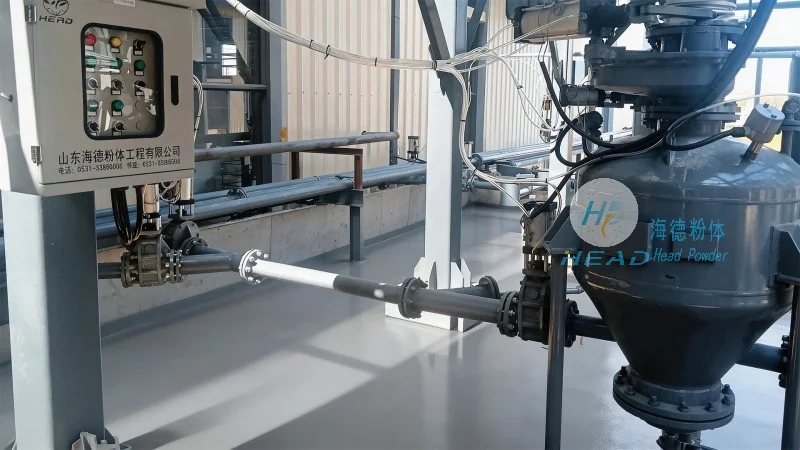
Wheat bran pneumatic conveying systems are engineered to handle the unique characteristics of wheat bran, including its density, moisture content, and flowability. The system typically comprises several key components: a hopper for material storage, a conveyor line (either rigid or flexible tubing), a blower or air compressor to generate the necessary air flow, and a receiver or discharge unit. These components work in tandem to create a seamless material transport process, ensuring that wheat bran is moved from its source to its destination with minimal disruption.
Core Components and Their Functions
The hopper serves as the primary storage vessel where wheat bran is collected before conveyance. It is equipped with a feeding mechanism, commonly a rotary valve or star feeder, which regulates the flow rate of the material into the conveyor line. The conveyor line itself is the pathway through which the air and material mixture travels. The blower or air compressor provides the pressure and volume of air required to move the material. The receiver or discharge unit collects the conveyed material and may include a dust collection system to maintain air quality and prevent environmental contamination.

Step-by-Step Operation Process
The operation process begins with the loading of wheat bran into the hopper. The rotary valve or star feeder then controls the material flow into the conveyor line. The blower activates, creating either a negative pressure (suction) or positive pressure (blowing) within the system. As the air flows through the conveyor line, it draws the wheat bran particles along with it, forming a dense or dilute phase flow depending on the system design. The material is then transported to the receiver, where it is discharged and collected. The system may incorporate a filter or cyclone to separate fine particles from the air before it is released back into the environment.
Working Principle of the Conveying Mechanism
The working principle of wheat bran pneumatic conveying relies on the interaction between air flow and material particles. In a dense phase system, the air velocity is relatively low, and the material is conveyed as a slurry, with the air and material moving together in a continuous stream. This method is ideal for handling fine or dusty materials like wheat bran, as it minimizes material degradation and reduces the risk of blockages. In a dilute phase system, the air velocity is higher, and the material is conveyed as individual particles suspended in the air. This approach is more energy-efficient for longer distances but may require more maintenance and can lead to higher material wear.

Advantages of Pneumatic Conveying for Wheat Bran
Wheat bran pneumatic conveying equipment offers several advantages over traditional mechanical conveying methods. It eliminates the need for moving parts in direct contact with the material, reducing wear and maintenance costs. The system is also capable of handling materials with high moisture content or sticky properties without clogging. Additionally, pneumatic conveying can be integrated with other processing equipment, such as mixers or dryers, to create a seamless production line. The closed system design helps maintain hygiene and prevents contamination, which is critical in food processing applications.

Applications in the Food and Agricultural Sector
Wheat bran pneumatic conveying equipment is widely utilized in the food industry for processing wheat bran into animal feed, dietary supplements, and industrial ingredients. In agricultural settings, it is used to transport wheat bran from storage facilities to processing plants or to distribute it across different areas of a farm. The equipment's ability to handle bulk materials efficiently and hygienically makes it an essential tool for optimizing production lines and improving overall operational efficiency.
About Shandong HeadPowder Engineering Co., Ltd.
Shandong HeadPowder Engineering Co., Ltd., commonly known as headpowder, is a leading manufacturer of pneumatic conveying equipment specializing in solutions for the food and agricultural sectors. With its headquarters located in Shandong, China, the company has built a reputation as a trusted provider of high-quality, reliable equipment designed to meet the specific needs of its clients. HeadPowder's products are engineered to deliver optimal performance, durability, and efficiency, ensuring that customers can achieve their material handling goals with minimal downtime and maximum productivity.